Veronicastrum sibiricum
(L.) Pennell
Siberia-kugai-so
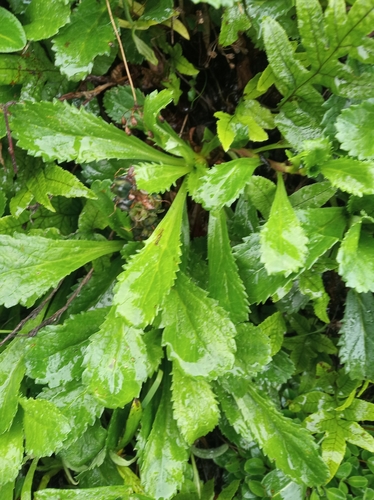
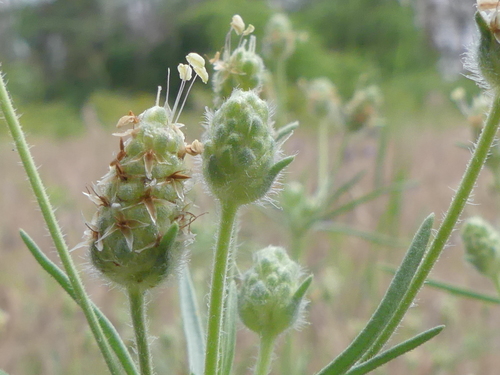
iNaturalist· cc-by-nc
(c) Соколков Юрий Павлович, some rights reserved (CC BY-NC)
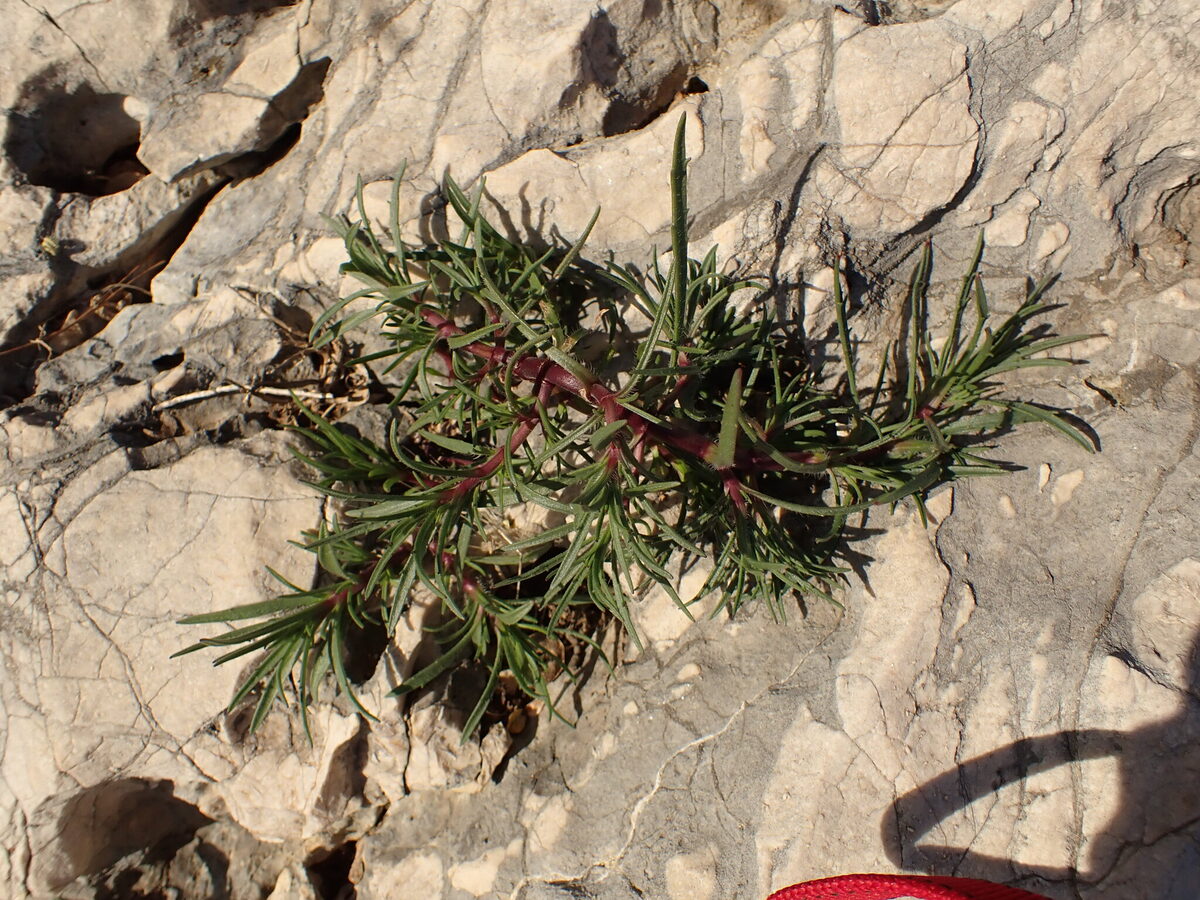
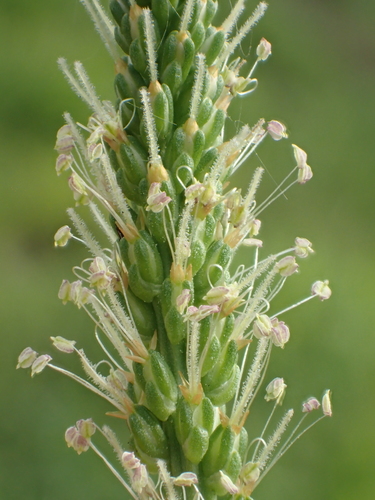
iNaturalist· cc-by-nc
(c) Соколков Юрий Павлович, some rights reserved (CC BY-NC)
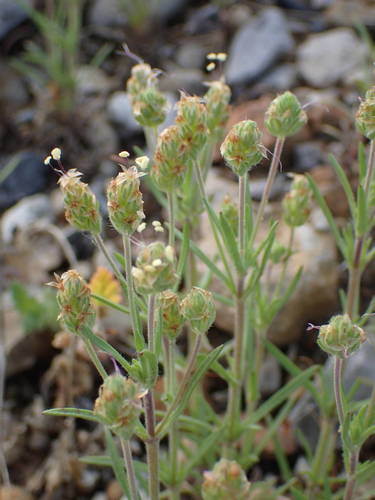
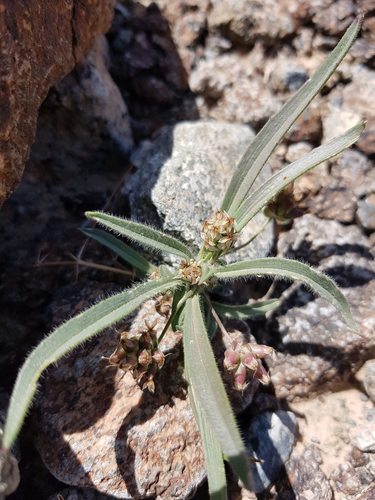
iNaturalist· cc-by
(c) Roman A. Lagazyuk (Роман А. Лагазюк), some rights reserved (CC BY)
Summary
Source: WikipediaVeronicastrum sibiricum, the Sibirian veronicastrum, is a plant in the plantain family Plantaginaceae.
Description
A herb. It has rhizomes or underground stems. It grows 13 cm tall. The stems are erect and simple. The leaves are in rings or 4-6. They are oblong and 8-15 cm long by 2-6 cm wide. The flowers are at the top of the plant. They are red or purple. They are tube shaped. The fruit is an oval capsule 3.5 mm long.
Edible Uses
None known
Traditional Uses
The young stems and leaves are eaten raw. They are also roasted in oil or use in soups. The flower spikes are eaten as a potherb.
This uses section is brief — help expand it
Medicinal Uses
The root is antimicrobial and hepatic. In Korea it is used in the treatment of the common cold and as a liver tonic.
Distribution
It is a temperate plant. In north China it grows on grassy slopes and in thickets below 2,500 m above sea level.
Where It Grows
Asia, China, Japan, Korea, Mongolia, Russia, Siberia, Slovenia,
Propagation
Sow seed in autumn in a cold frame. Prick seedlings out into individual pots once large enough to handle, then plant out during summer. Where seed is plentiful, sow directly outdoors in situ in autumn or spring. Divide plants in autumn or spring. Larger divisions can go straight into their permanent positions; smaller ones are best potted up and grown on in light shade in a greenhouse or cold frame until establishing well, then planted out in summer or the following spring.
Other Uses
None known
Notes
Also put in the family Scrophulariaceae.
Synonyms
References (5)
- Acad. Nat. Sci. Philadelphia Monogr. 1:321. 1935
- Facciola, S., 1998, Cornucopia 2: a Source Book of Edible Plants. Kampong Publications, p 230
- http://www.botanic-gardens-ljubljana.com/en/plants
- Tanaka,
- Urgamal, M., Oyuntsetseg, B., Nyambayar, D. & Dulamsuren, Ch. 2014. Conspectus of the vascular plants of Mongolia. (Editors: Sanchir, Ch. & Jamsran, Ts.). Ulaanbaatar, Mongolia. “Admon“ Press. 334pp. (p. 79-90).