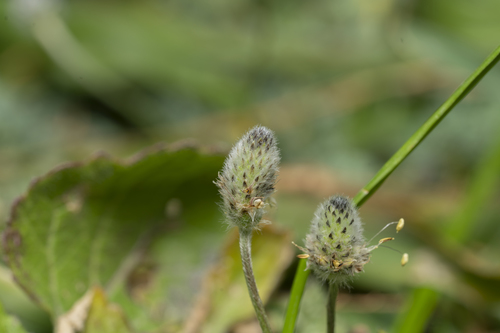
Plantago arenaria
Waldst. & Kit.
French psyllium, Branched plantain
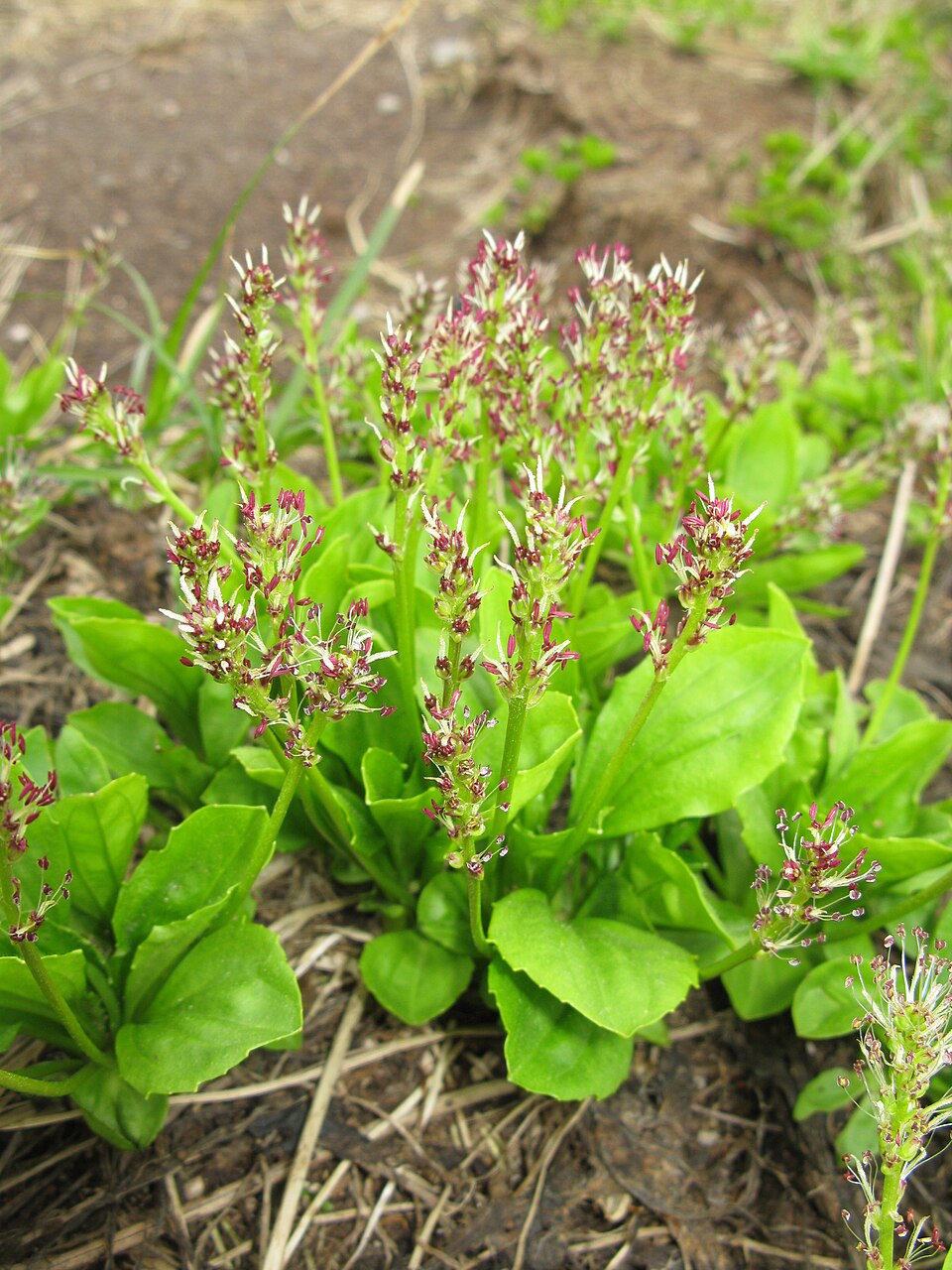
iNaturalist· cc-by-nc
(c) Elke Entenmann, some rights reserved (CC BY-NC), uploaded by Elke Entenmann
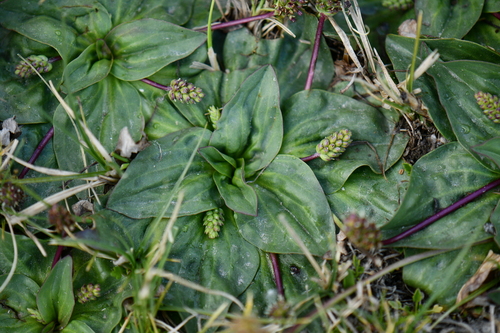
iNaturalist· cc-by-nc
(c) wsimmons, some rights reserved (CC BY-NC), uploaded by wsimmons
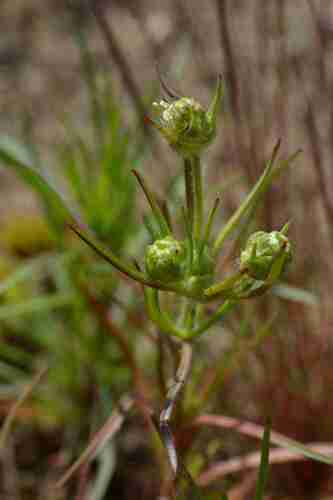
iNaturalist· cc-by-nc
(c) Valerio Lazzeri, some rights reserved (CC BY-NC), uploaded by Valerio Lazzeri
Summary
Source: WikipediaAn annual herb growing 0.3m (1 foot) tall and wide, flowering July to August. Hermaphroditic and wind-pollinated, self-fertile plant suited to light to heavy soils with mildly acid to basic pH. Requires full sun and adapts to dry or moist conditions.
Description
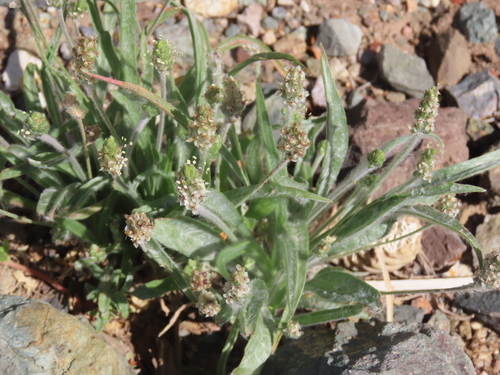
A short herb. It is an annual plant and is hairy. The stems are much branched. The leaves are narrow and opposite or in rings. They are 20-70 mm long by 1-3 mm wide. They are not fleshy and do not have teeth. The flowers are brownish-white and 4 mm long. They are in rounded clusters. The anthers are pale yellow.
Edible Uses
Young leaves can be eaten raw or cooked.
Medicinal Uses
Psyllium has been used as a safe and effective laxative for thousands of years in Western herbal medicine. Both the dried seeds and seed husks are demulcent, emollient, and purgative. The seeds have a mucilaginous coat and swell to several times their volume in water; soaked in water, both seeds and husks become highly gelatinous and fibre-rich. By maintaining a high water content in the large bowel they increase stool bulk and ease its passage. They are used as a bulk laxative and demulcent in treating constipation, dysentery, and other intestinal complaints, with a soothing and regulatory effect. Their regulatory action also makes them useful for diarrhoea, and by softening the stool they reduce irritation of haemorrhoids. The gelatinous mucilage produced when psyllium is soaked in water can absorb toxins within the large bowel, helping to remove them from the body and reduce auto-toxicity.
Distribution
It is a temperate plant. It grows in dry places usually on sandy soils. In China it grows between 100-3,500 m above sea level. In Argentina it grows from sea level to 500 m above sea level. In Sichuan.
Where It Grows
Argentina, Asia, Australia, Britain, Central Asia, China, Europe, France, Greece, India, Iraq, Italy, Japan, Kazakhstan, Kyrgyzstan, Lithuania, Mediterranean, Middle East, North America, Pakistan, Portugal, Russia, Siberia, Slovenia, South America, Spain, Tajikistan, Tibet, Turkey, Türkiye,
Cultivation
Succeeds in any moderately fertile soil in a sunny position. This species is cultivated in many areas for its seed, which is used medicinally.
Propagation
Seed - sow in spring in a cold frame. Prick seedlings into individual pots when large enough to handle and plant out in early summer. A direct sowing outdoors in situ can be made in mid to late spring if sufficient seed is available.
Other Uses
None known
Notes
The plantains or Plantaginaceae are mostly in temperate regions. There are about 165 Plantago species.
Synonyms
Also Known As
Trpotec
References (4)
- Blamey, M and Grey-Wilson, C., 2005, Wild flowers of the Mediterranean. A & C Black London. p 422
- Descr. icon. pl. Hung. 1:51, t. 51. 1801
- http://www.botanic-gardens-ljubljana.com/en/plants
- Plants for a Future database, The Field, Penpol, Lostwithiel, Cornwall, PL22 0NG, UK. http://www.scs.leeds.ac.uk/pfaf/