Chloroxylon swietenia
DC.
East Indian satinwood
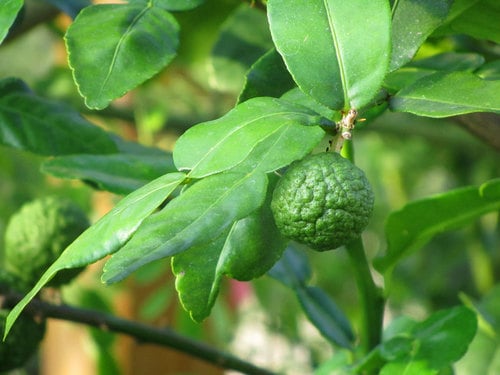
iNaturalist· cc-by
(c) madhavan a.p, some rights reserved (CC BY), uploaded by madhavan a.p
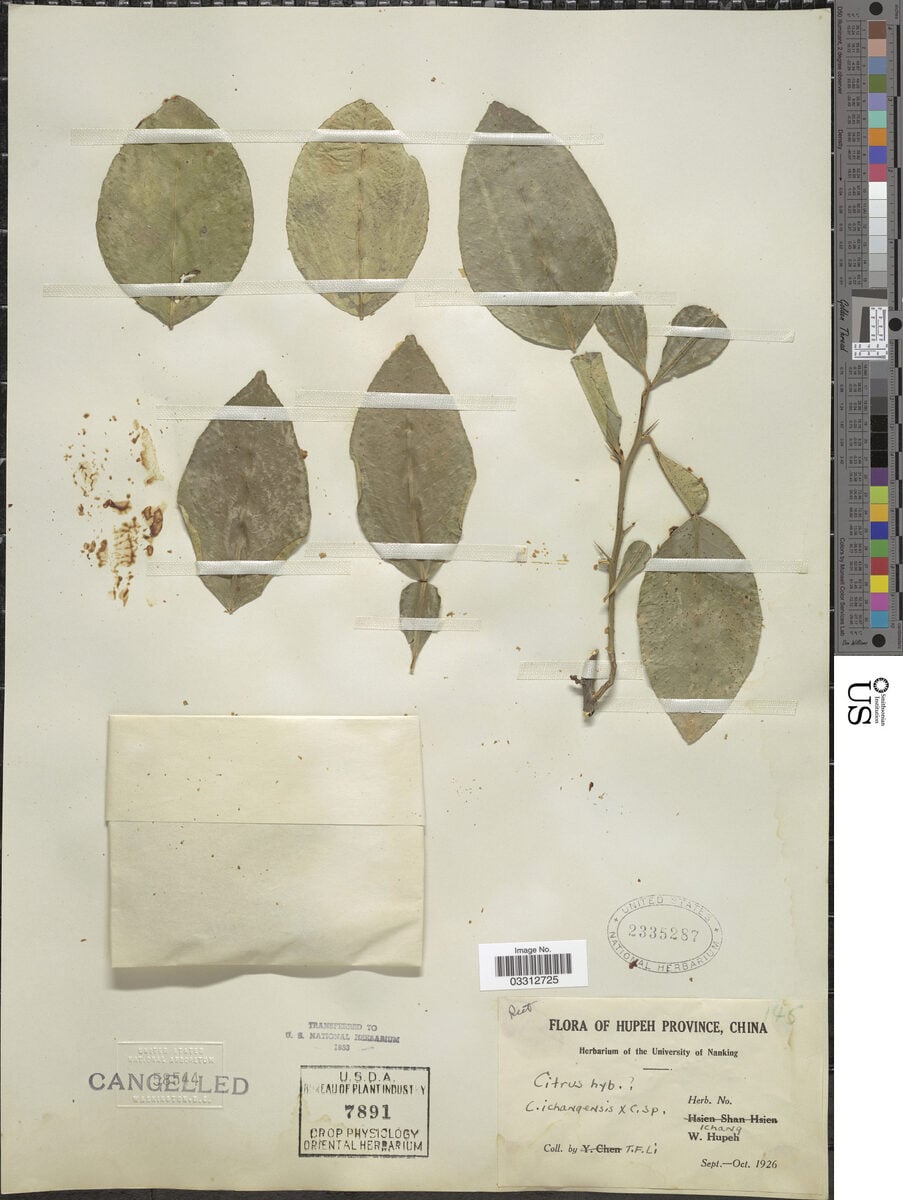
iNaturalist· cc-by-nc
(c) Kaweesha Nethmini, some rights reserved (CC BY-NC)
iNaturalist· cc-by-nc
(c) aravindhankp, some rights reserved (CC BY-NC)
Summary
Source: WikipediaChloroxylon swietenia, the Ceylon satinwood or East Indian satinwood, is a tropical hardwood, the sole species in the genus Chloroxylon (from the Greek χλωρὸν ξύλον, "green wood"). It is native to southern India, Sri Lanka, and Madagascar. It and Zanthoxylum flavum, the West Indian satinwood, are considered to be the original satinwoods.
Description
A tree. It grows 8 m tall. The leaves are alternate and compound with leaflets along the stalk and one at the end. There are 18-40 leaflets. These are 16-33 mm long. They are more pale underneath. The flowers are in small groups and are hairy. The fruit is a capsule 25 mm long. The seeds have wings.
Edible Uses
The seeds contain 16% non-drying oil, which is probably inedible.
Medicinal Uses
In India, most parts of the plant are used in traditional medicine, and research has confirmed a range of medicinally active compounds. Coumarins and quinolinone alkaloids have been identified in the stem bark. The heartwood contains coumarins, an alkaloid, and 2,4-dihydroxy-5-prenycinnamic acid. An essential oil from the leaves contains the terpenes limonene, germacrene D, geijerene, pregeijerene, trans-β-ocimene, and methyl eugenol. Both leaf and stem oils show moderate to strong activity against a panel of bacteria and fungi. The essential oil from leaves and stems, along with several isolated compounds, displays significant mosquitocidal activity by fumigation against Aedes aegypti, Anopheles gambiae, and Culex quinquefasciatus, as well as activity against the tobacco cutworm Spodoptera litura. Methanol extracts of the dried leaves show good analgesic activity. Crushed leaves are applied externally to treat wounds, snakebites, and rheumatism. A paste of leaves and roots is taken internally for headache and applied to the forehead as a balm for the same purpose. Root bark in milk is drunk to treat impotence. A bark extract, considered astringent, is taken to treat fever and chest pain, and in combination with other plants to treat asthma. Applied by friction, it is used for bruises and painful joints.
Distribution
It is a tropical plant.
Where It Grows
Africa, Asia, East Africa, India, SE Asia, Sri Lanka, Tanzania, Vietnam, West Africa,
Cultivation
A plant of the lowland moist tropics, where it is found at elevations up to 450 metres. It grows best in areas where annual daytime temperatures are within the range 30 - 40°c, but can tolerate 10 - 47°c. It prefers a mean annual rainfall in the range 1,000 - 1,500mm, but tolerates 750 - 1,900mm. Grows best in a sunny position. Succeeds in most soils that are well-drained. Prefers a pH in the range 6 - 7, tolerating 5 - 7.8. Established plants are drought tolerant. The tree has shown good growth rates in Nigeria. It coppices well. The plant is susceptible to fire damage. In India the tree is an alternative food-plant for the caterpillars of Papilio demoleus, a pest of Citrus spp.
Propagation
Propagated from seed.
Other Uses
The seeds contain 16% non-drying oil. The wood is heavy, strong, and hard with a slight pleasant fragrance when freshly cut. The heartwood is cream to golden yellow, darkening to brown with age, and not clearly demarcated from the slightly paler sapwood. The grain is usually interlocked or wavy, with a fine, even texture. The wood is often striped or mottled and remarkably lustrous. Dark gum veins are a common defect as they are liable to develop into splits. The wood is difficult to work with hand tools and moderately hard to saw and machine, with a moderate to severe blunting effect on cutting tools. Planing requires a cutting angle of 15° to avoid tearing. A neat finish produces a perfectly polished, beautifully glazed surface. Boring is reported to be rather difficult, requiring the wood to be held firmly to prevent chattering. Pre-boring is recommended for nailing and screwing, though nail-holding and screw-holding properties are rated as good. The wood turns and stains well but is difficult to glue. The heartwood is highly resistant to all types of fungi, though in India it reportedly shows little resistance to termites. It is susceptible to marine borers and, to a lesser extent, to pinhole borers and longhorn beetles. The sapwood is not susceptible to Lyctus borers, and the heartwood is extremely resistant to preservative treatment. The wood is reported to cause skin irritation. It is used as a decorative timber for furniture, panelling, pattern making, interior trim, cabinet work, flooring, boxes, crates, interior joinery, carvings, toys, musical instruments, and luxury goods, and is made into decorative veneer — though unsuitable for plywood manufacture due to its weight. Its strength also makes it suitable for heavy construction, railway sleepers, boat building, and agricultural equipment. It is additionally used as fuel wood.
Synonyms
Also Known As
Chloroxylon swietenia or commonly known as East Indian Stainwood. Ceylon Satinwood, East Indian Satinwood, Buruta ¥ Hindi: Bhirra, Bhivia, Dhoura, Girya ¥ Marathi: Behru, Halda, Bheria, Hulda ¥ Tamil: Vaaimaram or porasu, Mammarai, Porinja maram ¥ Malayalam: Varimaram: Telugu: billu, billydu, billudu, bella Kannada: bittulla, huragalu, hurihuli, masula Oriya: bheru gatcho ¥ Sanskrit: bhillotaka, bimbilota
References (1)
- World Checklist of Useful Plant Species 2020. Royal Botanic Gardens, Kew