Casimiroa tetrameria
Millsp.
Yellow sapote
iNaturalist· cc-by-nc
(c) JKantunB, some rights reserved (CC BY-NC), uploaded by JKantunB
iNaturalist· cc-by-nc
(c) Jan Meerman, some rights reserved (CC BY-NC)
Description
A medium sized deciduous tree. It can grow to 17 m high or higher. The leaves have a dense, white, furry underside. The small flowers occur in large groups. A large yellowish fruit. The pulp is yellow.
Edible Uses
The fruit are eaten fresh, though some forms are bitter. They can be baked in pies, chilled and served in fruit salads, made into butter, or dried for eating. Fruit should be picked as they soften.
Traditional Uses
The fruit are eaten fresh. (Some forms are bitter). They are baked in pies, chilled and served in fruit salads or made into butter. The fruit can be dried and eaten.
Distribution
A tropical plant. It can tolerate cold. It grows in tropical or subtropical America. It does best with moderate humidity. They need sunny locations in cooler places and shade in warmer places. They have a deep taproot which requires deep soil.
Where It Grows
Australia, Belize, Central America, Colombia, Costa Rica, Cuba, Ecuador, Guatemala, Honduras, Mexico, North America, USA, West Indies,
Cultivation
Plants can be grown from seed. Fruit should be picked as they soften. They can also be grown by budding and grafting.
Propagation
Seed - sow in containers. Trees produce taproots, so the seed should be sown in deep containers and the plants moved straight to their permanent positions once they are large enough. Seed of cultivars does not breed true. Layering. Commercial growers in New Zealand have had success with air-layers. Cuttings are very difficult to root. Grafting.
Production
It is fast growing. Seedlings produce fruit after 6-8 years. Budded or grafted trees produce fruit after 3-4 years. Fruit ripen 6-8 months after flowering.
Notes
There are 5 Casimiroa species.
Also Known As
Hyuuy, Matasano, Woolly-leaf white sapote, Yuuy, Yuy, Zapote blanco
References (16)
- Facciola, S., 1998, Cornucopia 2: a Source Book of Edible Plants. Kampong Publications, p 213
- Hibbert, M., 2002, The Aussie Plant Finder 2002, Florilegium. p 61
- Kermath, B. M., et al, 2014, Food Plants in the Americas: A survey of the domesticated, cultivated and wild plants used for Human food in North, Central and South America and the Caribbean. On line draft. p 196
- Morton, J. F., 1987, Fruits of Warm Climates. Wipf & Stock Publishers p 192
- Publ. Field Columbian Mus., Bot. Ser. 1:401. 1898
Show all 16 references Hide references
- Recher, P, 2001, Fruit Spirit Botanical Gardens Plant Index. www.nrg.com.au/~recher/ seedlist.html p 1
- Roa, J. A. G. & Boada, D. S. G., 2018, Fundación para el Fortalecimiento de la Fruticultura y Plantas Alimenticias no Convencionales en Colombia.
- Segura, S., et al, 2018, The edible fruit species in Mexico. Genet Resour Crop Evol (2018) 65:1767–1793
- Standley, P. C. & Record, S. J., 1936, The Forests and Flora of British Honduras. (Belize). p 195
- Steggerda, M., Some Ethnological Data Concerning One Hundred Yucatan Plants. Smithsonian Institution Anthropological Papers, No. 29
- Tankard, G., 1990, Tropical fruit. An Australian Guide to Growing and using exotic fruit. Viking p 112
- Torre, de la, L., et al, 2008, Enciclopedia de las Plantas Útiles del Ecuador. Herbario QCA. Pontificia Universidad Católica del Ecuador. p 557
- Uphof,
- USDA, ARS, National Genetic Resources Program. Germplasm Resources Information Network - (GRIN). [Online Database] National Germplasm Resources Laboratory, Beltsville, Maryland. Available: www.ars-grin.gov/cgi-bin/npgs/html/econ.pl (10 April 2000)
- World Checklist of Useful Plant Species 2020. Royal Botanic Gardens, Kew
- www.tradewindsfruit.com
More from Rutaceae
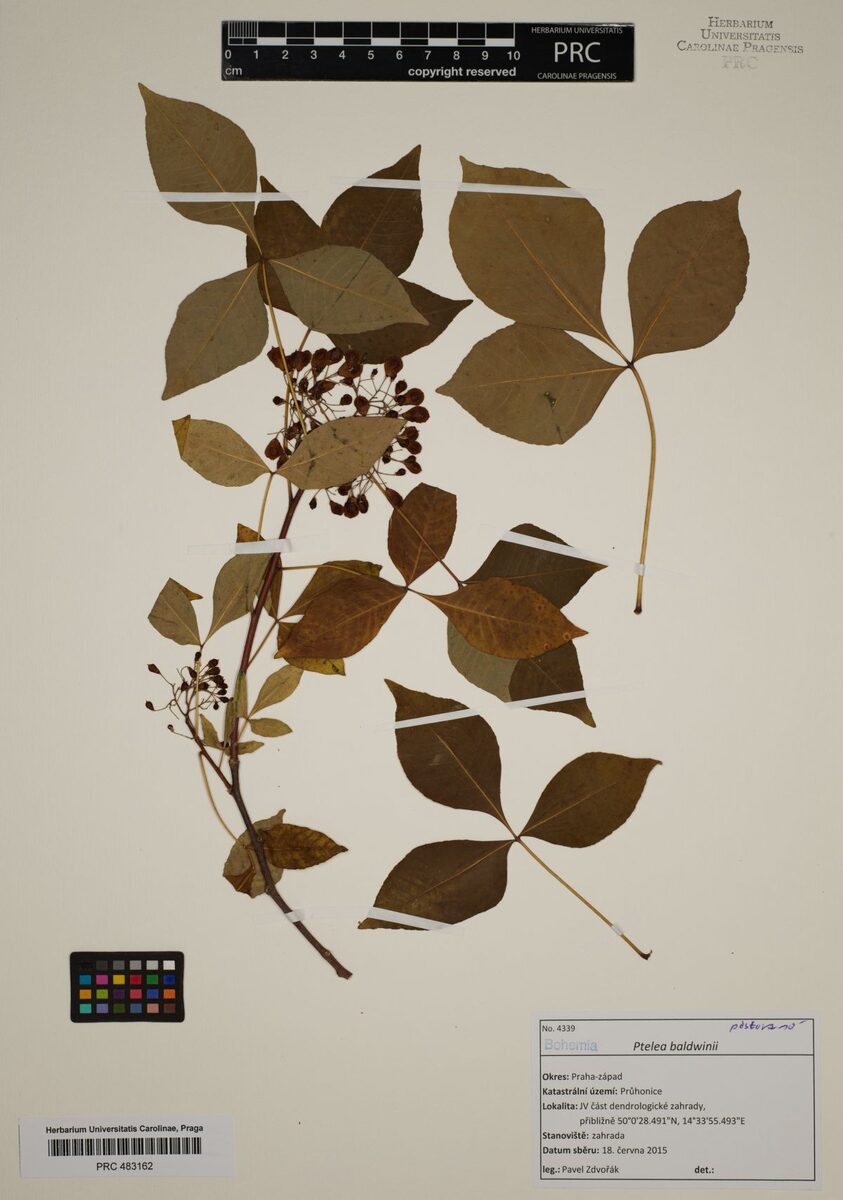
Ptelea baldwinii
Common hoptree
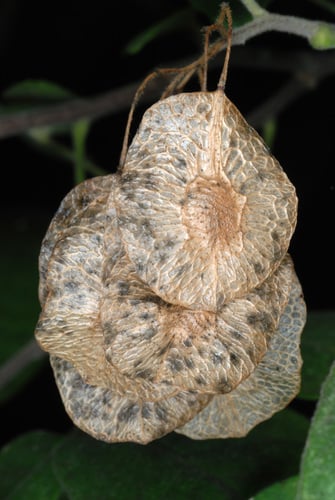
Ptelea trifoliata
Common hoptree, Water-ash, Stinking ash, Ague bark, Waferash, Shrubby trefoil, Hop tree
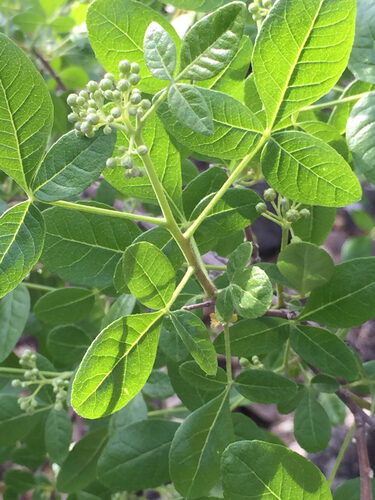
Ptelea trifoliata mollis
Hop Tree
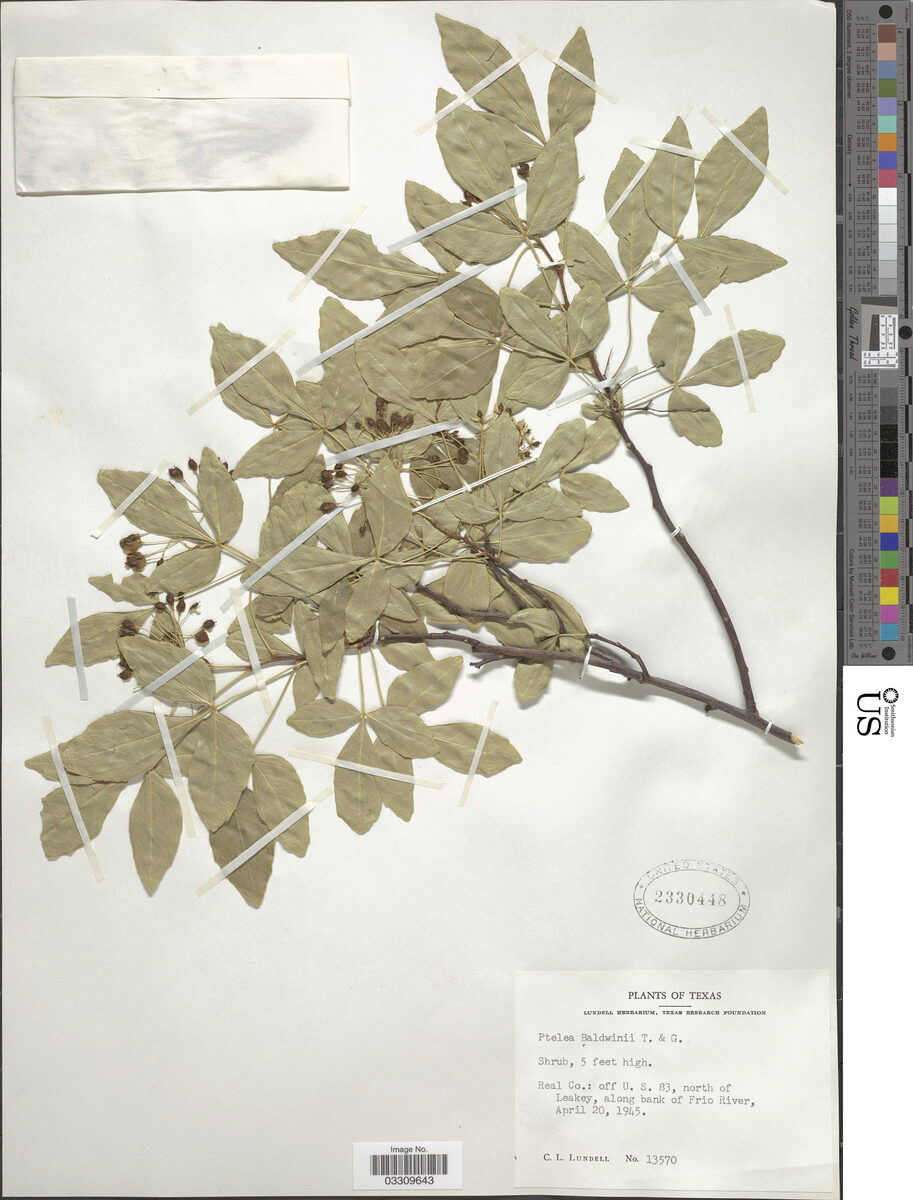
Ptelea trifoliata var. baldwinii
Ptelea trifoliata var. mollis
Hop tree, Water-ash, Skunkbush
Ruta chalepensis
Mediterranean Aleppo rue