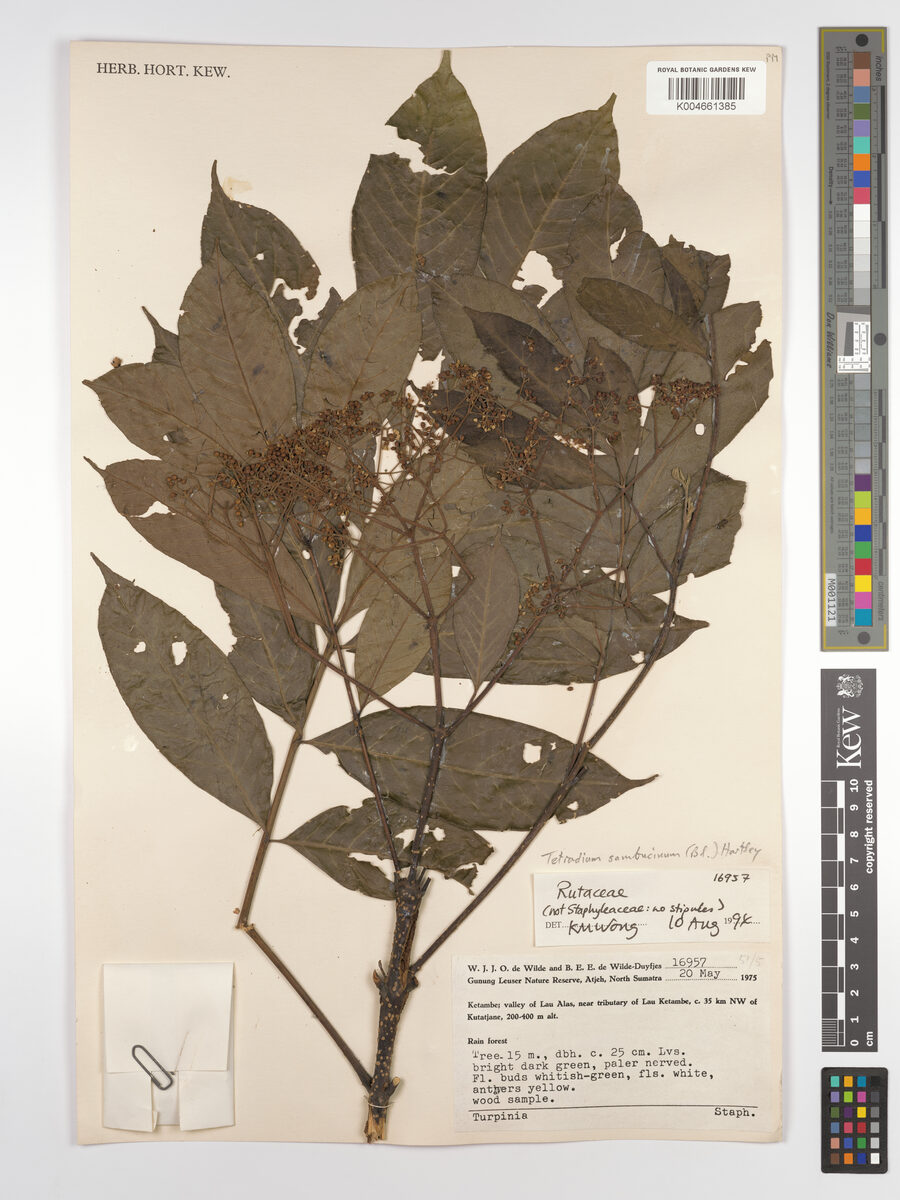
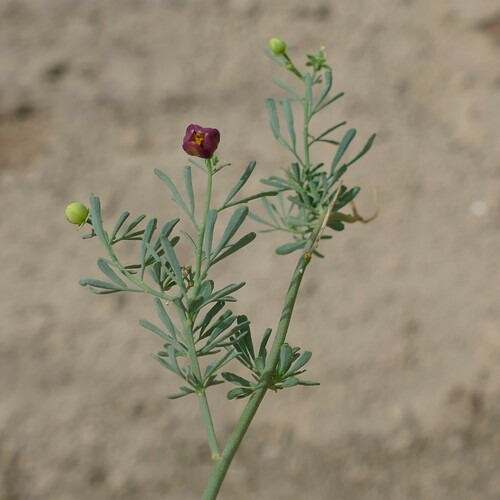
Casimiroa sapota
Oerst.
Woolly-leafed white sapote
iNaturalist· cc-by-nc
(c) Pedro D. Yuit Mex, some rights reserved (CC BY-NC)
iNaturalist· cc-by-nc
(c) Alan Camacho Morales, some rights reserved (CC BY-NC)
iNaturalist· cc-by-nc
(c) Alan Camacho Morales, some rights reserved (CC BY-NC)
Description
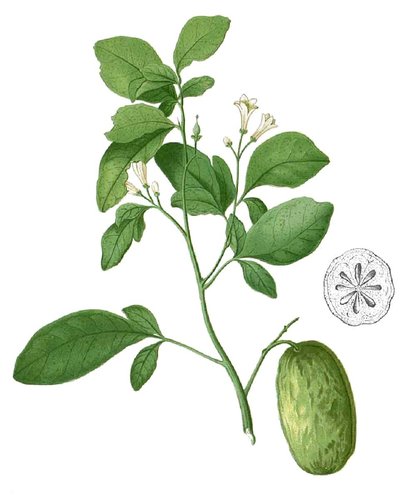
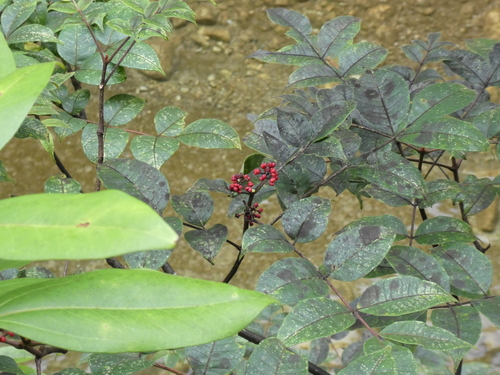
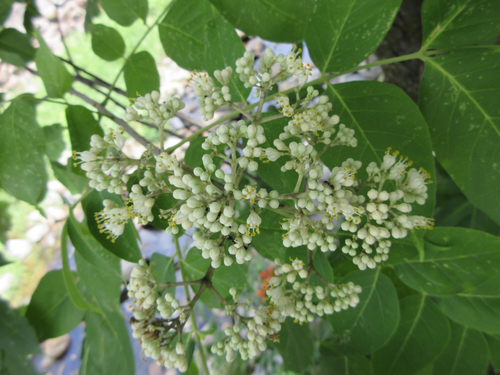
A tree. It grows to 12 m high. They leaves are velvety white on the underside. The flowers have 4 parts. The fruit are 11 cm wide and oval or irregular in shape. They have a rough pitted skin. The flesh is somewhat bitter.
Edible Uses
The fruit is eaten raw or made into milkshakes, smoothies, ice cream, and paletas. It can be used to produce marmalade and jelly. Some beauty products use oil pressed from the seed, otherwise known as sapayul oil.
Distribution
A tropical plant. It is native to Central America. In Central America it grows from sea level to 1,450 m altitude.
Where It Grows
Central America, El Salvador, Mexico, Nicaragua, North America,
Notes
There are 5 Casimiroa species.
Synonyms
Also Known As
Arbol maco, Iztactzopotl, Matasano, Zopote blanco
References (7)
- Altschul, S.V.R., 1973, Drugs and Foods from Little-known Plants. Notes in Harvard University Herbaria. Harvard Univ. Press. Massachusetts. no. 1916
- Barwick, M., 2004, Tropical and Subtropical Trees. A Worldwide Encyclopedic Guide. Thames and Hudson p 91
- Chizmar Fernandez, C., et al, 2009, Plantas comestibles de Centroamerica. Instituto de Biodiversidad, Costa Rica. p 283
- Segura, S., et al, 2018, The edible fruit species in Mexico. Genet Resour Crop Evol (2018) 65:1767–1793
- USDA, ARS, National Genetic Resources Program. Germplasm Resources Information Network - (GRIN). [Online Database] National Germplasm Resources Laboratory, Beltsville, Maryland. Available: www.ars-grin.gov/cgi-bin/npgs/html/econ.pl (10 April 2000)
Show all 7 references Hide references
- Vidensk. Meddel. Dansk Naturhist. Foren. Kjobenhavn 1857:187. 1857
- Wiersema, J. H. & Leon, B., 2013, World Economic Plants. A Standard Reference CRC Press. 2nd Ed. p 149