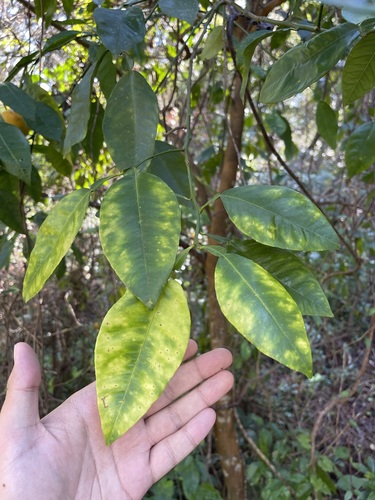
Cedrelopsis grevei
Baill. & Courchet
Katrafay
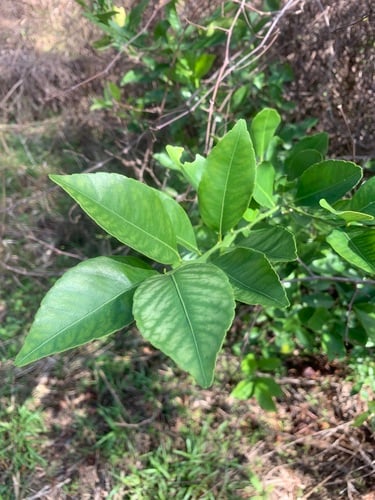
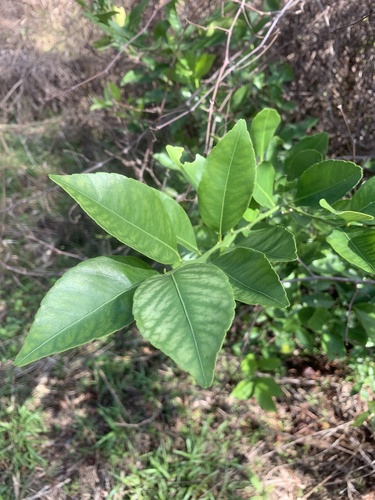
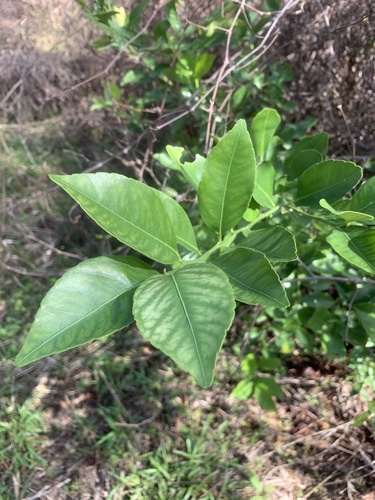
iNaturalist· cc-by-nc
(c) Solofo Eric Rakotoarisoa, some rights reserved (CC BY-NC), uploaded by Solofo Eric Rakotoarisoa
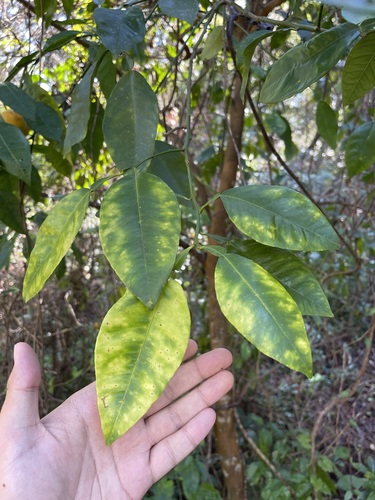
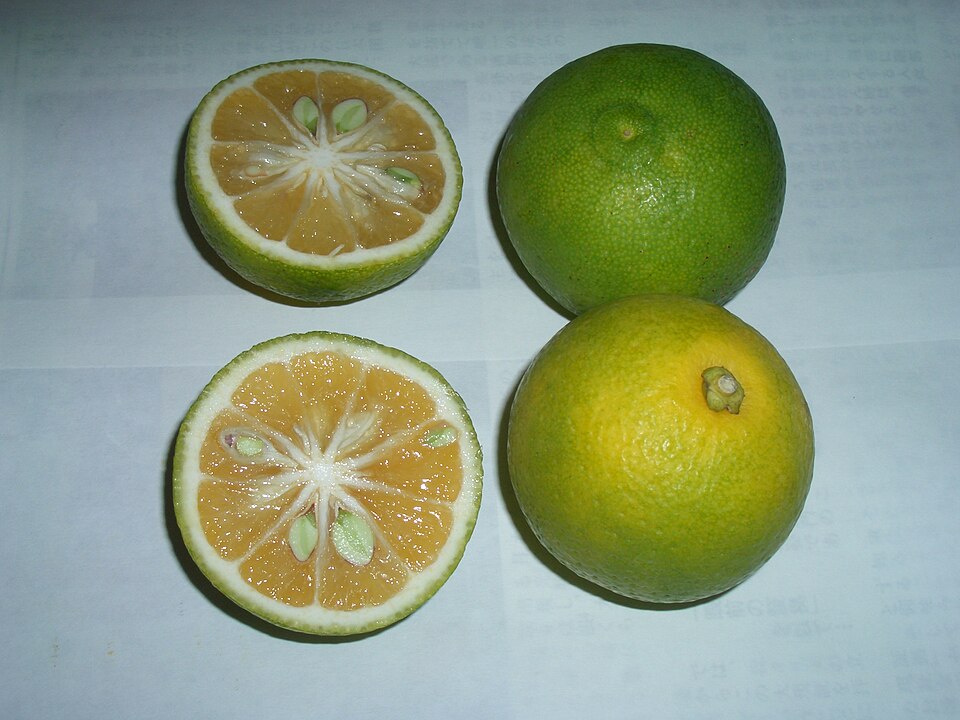
iNaturalist· cc-by-nc
(c) nomentsoa, some rights reserved (CC BY-NC)
Summary
Source: WikipediaCedrelopsis grevei is an endemic species of tree found in Madagascar. In Malagasy, it is called katafa or katrafay.
Description
A tree. It grows 22 m tall. The trunk is 60 cm across. The leaves are alternate and 12-20 cm long. They are compound with 10 leaflets. The fruit are narrow capsules 3 cm long.
Edible Uses
The bitter, aromatic stem bark is used to flavour local rum and is also an ingredient in non-alcoholic bitter drinks.
Traditional Uses
The bark is used to give a bitter flavour to alcoholic drinks.
This uses section is brief — help expand it
Medicinal Uses
This is one of the most important medicinal trees in Madagascar, valued particularly for the essential oil obtained from the bark. The composition of the essential oil can vary considerably depending on where the plant is collected; the main components are ishwarane, beta-caryophyllene, alpha-copaene, beta-elemene, and alpha-selinene. The oils from the bark and leaves have a similar composition, though the relative proportions of some compounds differ notably. Numerous coumarins have been isolated from the stem bark, including cedrecoumarin A, which shows agonistic activity on both alpha and beta oestrogenic receptors as well as superoxide scavenging activity. The hexane extract of the stem bark has yielded triterpenoids, limonoid derivatives, pentanortriterpenoids, a hexanortriterpenoid, and quassinoids. Bark extract has been shown to produce a progressive decrease in blood pressure, partly attributable to its coumarin content. A crude stem bark extract has demonstrated significant cicatrizing activity on skin ulcers, along with antibacterial activity against Staphylococcus albicans and Pseudomonas aeruginosa, and antifungal activity against Candida albicans. The bark essential oil is widely used in massage to treat general body pain, toothache, broken bones, muscular pain, arthritis, and rheumatism; back massage with the oil is also given for fatigue and fever. It is used in therapeutic baths for the same purposes, and is well regarded for its tonic and aphrodisiac properties, being considered beneficial to both physical and mental fitness. A stem bark extract is taken internally for cough, asthma, tuberculosis, pneumonia, diabetes, diarrhoea, abdominal pain, rheumatism, intestinal worms, headache, and fatigue, and as a post-partum tonic. It is also used as a vaginal wash after childbirth and applied externally to wounds and skin infections. A root bark decoction is sometimes taken for diarrhoea or asthma. A steam bath of the leaves is used to treat weak blood vessels, headache, and sore throat. The seeds are chewed as an anthelmintic and to relieve stomach-ache.
Distribution
It is a tropical plant.
Where It Grows
Africa, Madagascar,
Cultivation
Found in the wild on a wide variety of soil types, often on red or yellow sandy soils, but it grows taller in river valleys than on plateau soils. The tree grows slowly, with annual increments in height of less than 50cm per year. It reaches a height of 50 - 300cm by the age of 7 years. It is estimated to need over 40 years to produce a small pole. This species can be either monoecious or dioecious. If dioecious, then both male and female forms need to be grown if fruit and seed are required.
Propagation
Fresh seed sown directly into the field achieves high germination rates. The plant can also be propagated from cuttings.
Other Uses
An essential oil is extracted from the bark, used primarily for medicinal purposes. The heartwood is pale yellow to pale brown, slightly darker than the 25 mm wide band of whitish sapwood, and somewhat mottled. The grain is usually straight, the texture fine, and the wood is scented and contains resin cells. The wood is very heavy, very hard, and flexible. It works reasonably well with hand and machine tools but has a marked blunting effect, requiring stellite-tipped sawteeth. Splitting when nailed or screwed is common and pre-boring is recommended. It glues, polishes, waxes, varnishes, and paints well and is reputed for its resistance to wood rot and insect attack. The sapwood is susceptible to Lyctus borers; the heartwood is very resistant to impregnation. The wood is used for heavy construction, carving, cabinet work, tool handles, interior joinery, interior trim, heavy parquet flooring, sliced veneer, plywood, shipbuilding, railway sleepers, vehicle bodies, electricity poles, construction poles, and cattle enclosures. Because of its hardness and resistance to fungal and insect attack, it is considered imperishable and is traditionally used for making royal Sakalava tombs. The wood is also used as fuel and for making charcoal.
Synonyms
Also Known As
Kathrafay
References (1)
- World Checklist of Useful Plant Species 2020. Royal Botanic Gardens, Kew