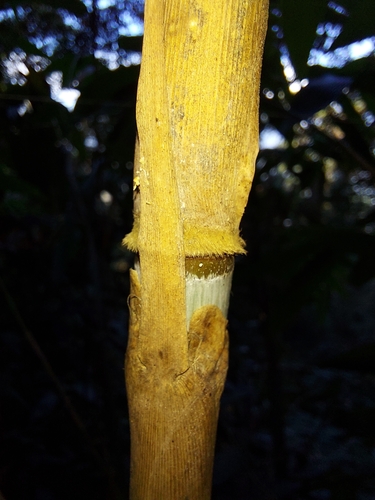
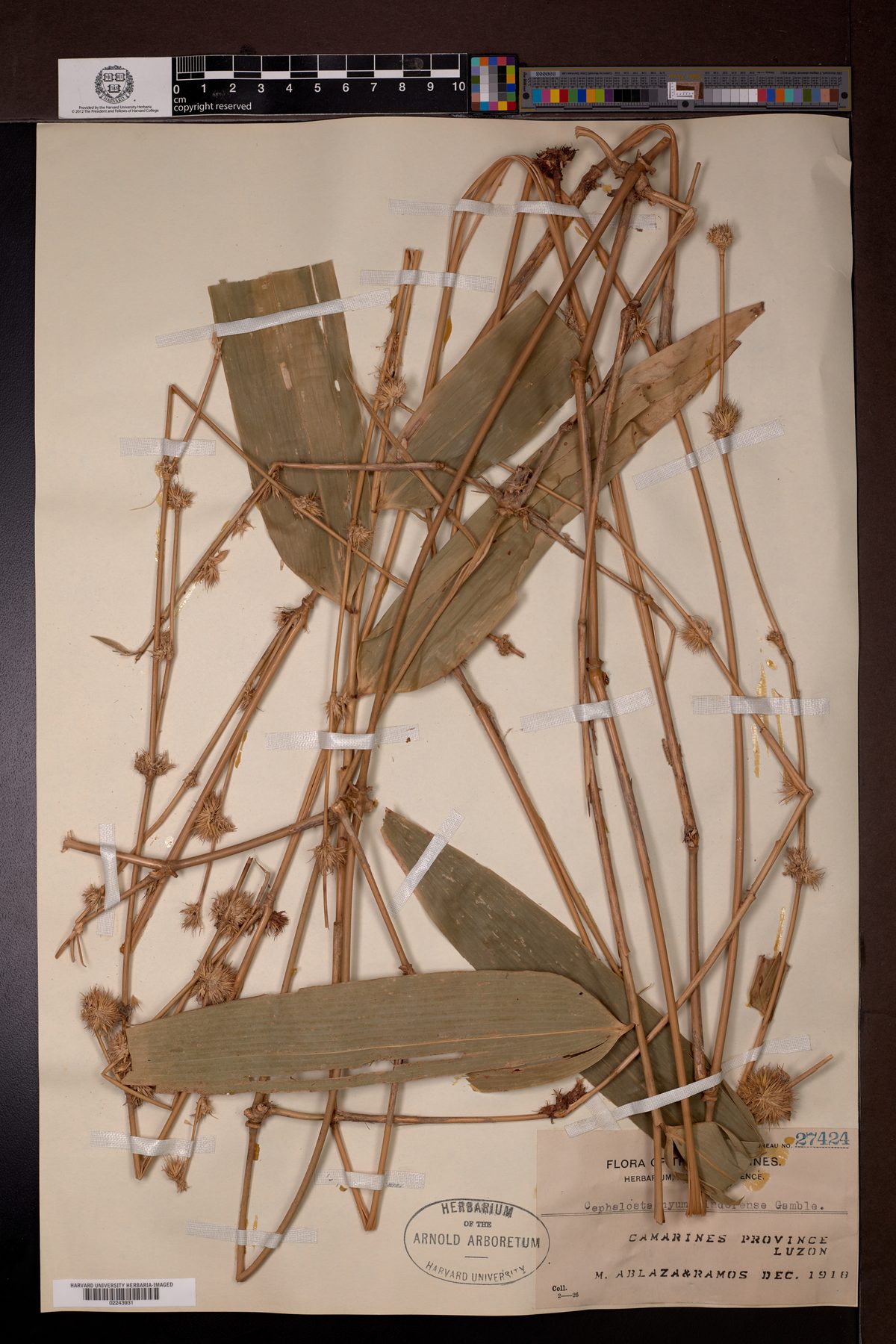
Zea mexicana
(Schrad.) Kuntze
Teosinte, Annual teosinte
iNaturalist· cc-by-nc
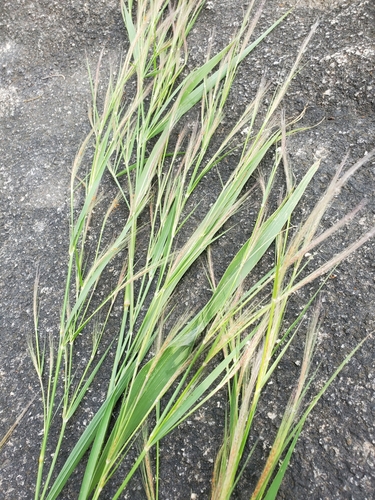
(c) jcdelgado, some rights reserved (CC BY-NC)
iNaturalist· cc-by-sa
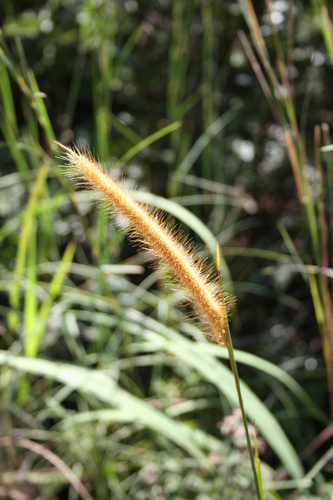
(c) Dinesh Valke, some rights reserved (CC BY-SA)
iNaturalist· cc-by-nc
(c) jcdelgado, some rights reserved (CC BY-NC)
Description
A tropical grass and wild ancestor of maize, with edible young shoots, immature spikes, and seeds that can be prepared in multiple ways.
This description is brief — help expand it
Edible Uses
Young shoots are boiled and eaten. Whole mature seeds are soaked in water and chewed, or dried kernels can be popped like popcorn. Young immature spikes are eaten. Seeds can be roasted and added to coffee.
Traditional Uses
The young shoots are boiled and eaten. Whole mature seeds are soaked in water then chewed. The dried kernels can be popped like pop corn. The young immature spikes can be eaten. The seeds are roasted and added to coffee.
Distribution
It is a tropical plant.
Where It Grows
Central America, Mexico, North America,
Synonyms
Also Known As
Maiz safe
References (5)
- Casas, A., et al, 1996, Plant Management Among the Nahua and the Mixtec in the Balsas River Basin, Mexico: An Ethnobotanical Approach to the Study of Plant Domestication. Human Ecology, Vol. 24, No. 4 pp. 455-478 (As Zea mays subsp. mexicana)
- Facciola, S., 1998, Cornucopia 2: a Source Book of Edible Plants. Kampong Publications, p 183 (As Zea mays subsp. mexicana)
- Kermath, B. M., et al, 2014, Food Plants in the Americas: A survey of the domesticated, cultivated and wild plants used for Human food in North, Central and South America and the Caribbean. On line draft. p 938
- T. E. Post & C. E. O. Kuntze, Lex. gen. phan. 599. 1903 (Reeves & Mangelsd., Amer. J. Bot. 29:817. 1942) (As Zea mays subsp. mexicana)
- Tanaka, (As Zea mays subsp. mexicana)