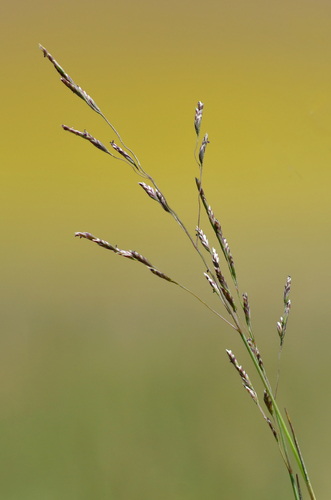
Setaria barbata
(Lam.) Kunth
iNaturalist· cc0
no rights reserved, uploaded by 葉子
iNaturalist· cc-by-nc
(c) piyinkao, some rights reserved (CC BY-NC)
iNaturalist· cc0
no rights reserved, uploaded by 葉子
Summary
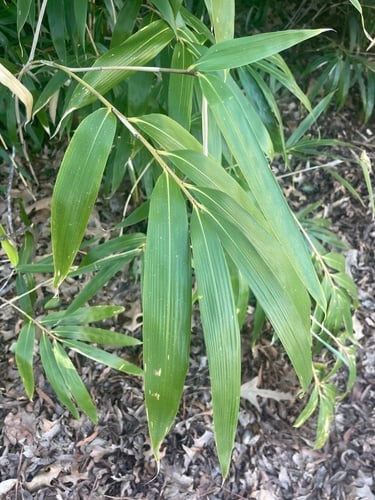
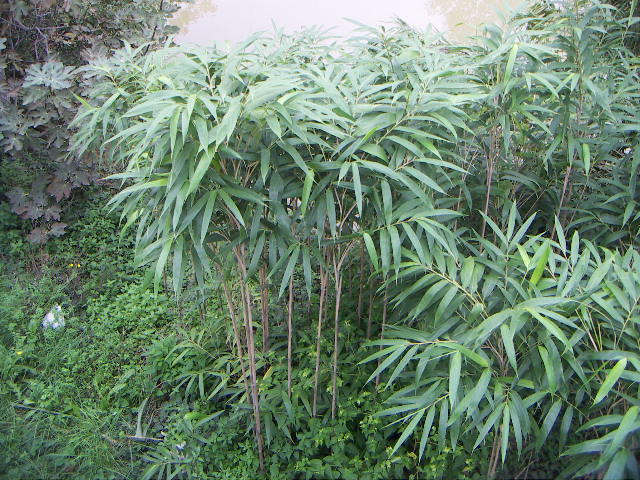
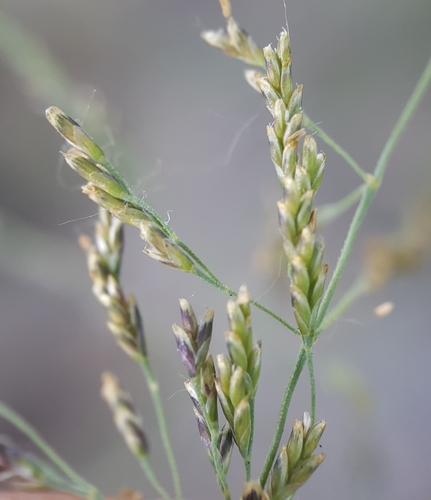
Source: WikipediaSetaria barbata, with common names bristly foxtail grass, corn grass, Mary grass, and East Indian bristlegrass, is a species of grass in the family Poaceae native to tropical Africa and tropical Asia.
Description
A herb. It is an annual tussock forming grass. It can keep growing from year to year. It grows 30-250 cm high.
This description is brief — help expand it
Edible Uses
The shoots are eaten as a green vegetable.
Traditional Uses
The shoots are eaten as a green vegetable.
This uses section is brief — help expand it
Distribution
It is a tropical plant. It grows in sandy soils. It grows between 1,200-1,500 m above sea level. It can grow in arid places.
Where It Grows
Africa, America, Angola, Antigua & Barbuda, Asia, Australia, Barbados, Benin, Brazil, Burkina Faso, Cameroon, Cape Verde, Central Africa, Central African Republic, CAR, Congo, Côte d'Ivoire, Dominica, Dominican Republic, East Africa, Equatorial Guinea, Ethiopia, French Guiana, Gabon, Ghana, Grenada, Guinea, Guinée, Guinea-Bissau, India, Indonesia, Ivory Coast, Kenya, Mali, Mauritius, Middle East, Myanmar, New Caledonia, Niger, Nigeria, Reunion, Sao Tome and Principe, SE Asia, Senegal, Seychelles, Sierra Leone, South America, Sri Lanka, Sudan, Tanzania, Togo, Trinidad & Tobago, Uganda, Venezuela, West Africa, West Indies, Yemen,
Synonyms
Also Known As
Bara, Chambe-chambean, Jeje, Lamotek, N'tchacufalo, Suket lemon, Udetcholoe
References (6)
- Duarte, M. C., et al, 2022, Diversity of Useful Plants in Cabo Verde Islands: A Biogeographic and Conservation Perspective. Plants 2022, 11, 1313 p 7
- Martin, F.W. & Ruberte, R.M., 1979, Edible Leaves of the Tropics. Antillian College Press, Mayaguez, Puerto Rico. p 194 (As Panicum barbatum)
- Ochse, J.J. et al, 1931, Vegetables of the Dutch East Indies. Asher reprint. p 330 (As Panicum barbatum)
- Tabl. encycl. 1:171. 1791
- Royal Botanic Gardens, Kew (1999). Survey of Economic Plants for Arid and Semi-Arid Lands (SEPASAL) database. Published on the Internet; http://www.rbgkew.org.uk/ceb/sepasal/internet [Accessed 4th June 2011]
Show all 6 references Hide references
- World Checklist of Useful Plant Species 2020. Royal Botanic Gardens, Kew