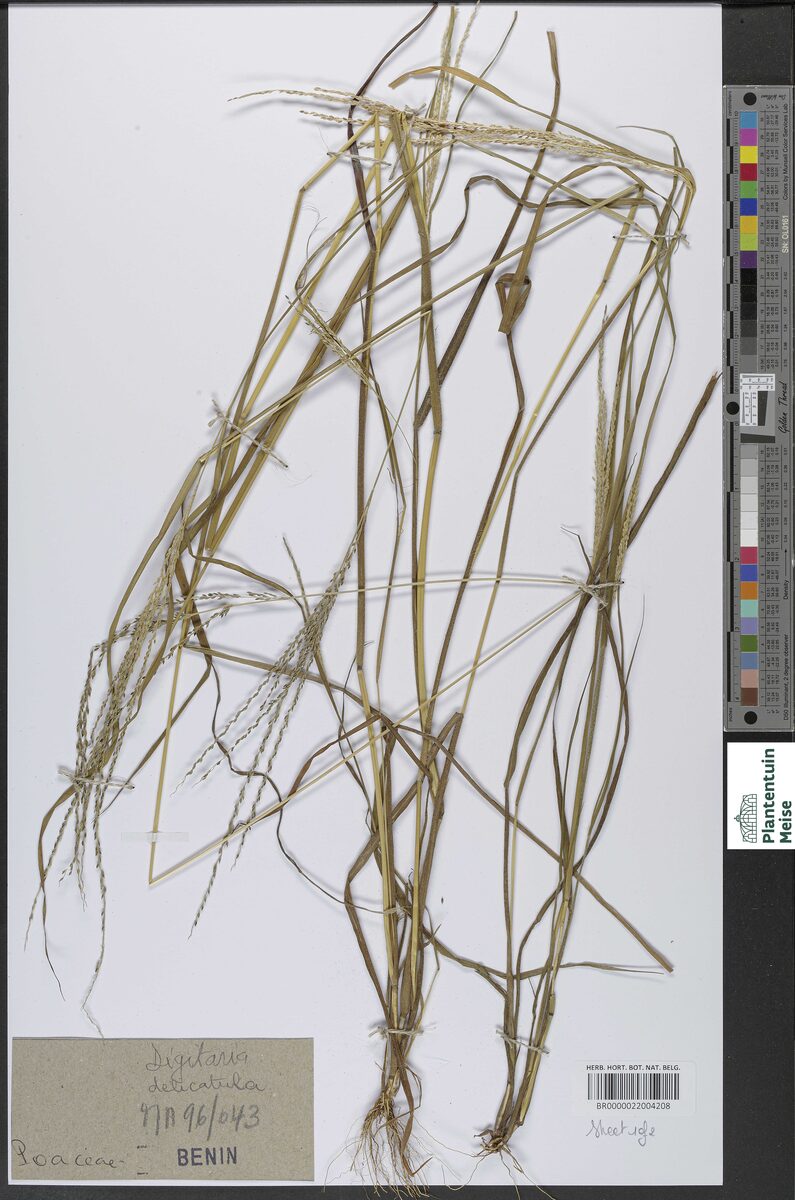
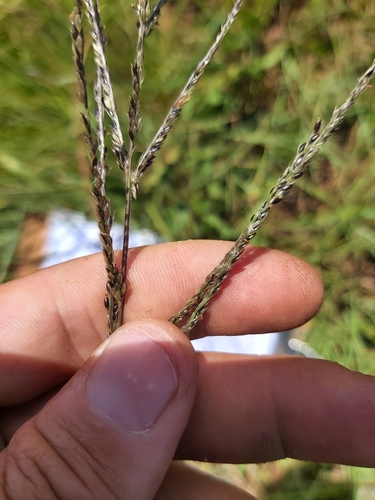
Semiarundinaria fastuosa
(Lat.-Marl. ex Mitford) Makino ex Nakai
Narihira bamboo, Temple bamboo
iNaturalist· cc-by-nc
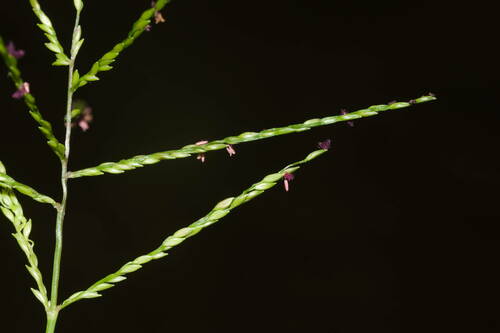
(с) A Emmerson, некоторые права защищены (CC BY-NC), загрузил A Emmerson
iNaturalist· cc-by-nc
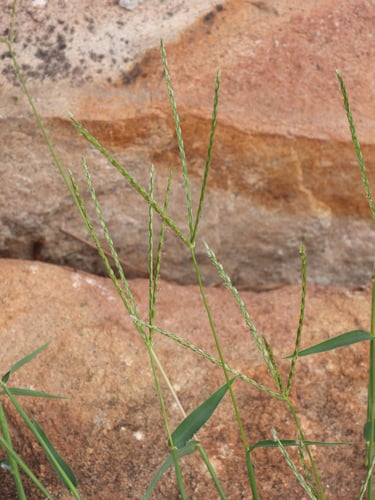
(c) grassgirl, some rights reserved (CC BY-NC)
iNaturalist· cc-by-nc
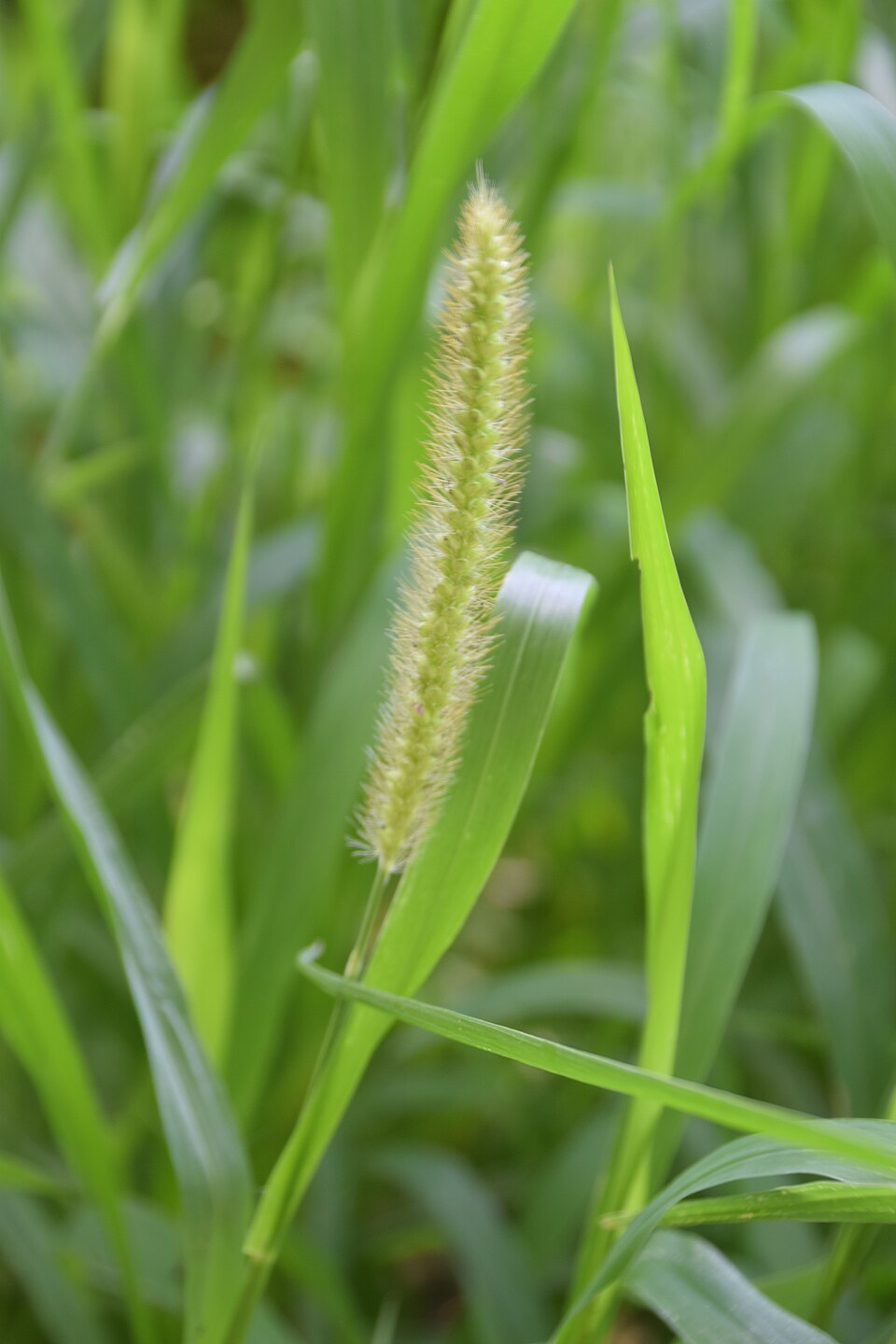
(c) grassgirl, some rights reserved (CC BY-NC)
Summary
Source: WikipediaSemiarundinaria fastuosa, the Narihira bamboo, Narihira cane or Narihiradake, is a species of flowering plant in the grass family Poaceae, native to Japan. Growing to 7 m (23 ft) tall by 2 m (7 ft) broad, it is a vigorous, evergreen bamboo with dark green cylindrical canes and dense tufts of lanceolate, glossy green leaves, up to 20 cm (8 in) long. In cultivation it is useful as an architectural plant or screen. It has gained the Royal Horticultural Society's Award of Garden Merit. The specific epithet fastuosa is Latin for "proud".
Description
A tall upright bamboo. It grows 7 m high and spreads 2 m wide. The canes are shiny and mid green. They are 1-4 cm wide. They have few leaves on the lower sections. There are purple-brown stripes on the canes. There are 3 branches at each node.
Edible Uses
Young shoots are edible cooked. They are nearly free of acridity and, though small, are of good quality. A plant at Trebah gardens in Cornwall was producing new shoots approximately 35mm in diameter in early April 1995. Shoots are best harvested as they emerge from the soil in spring. Avoid taking too many from any one plant, as this weakens the clump.
Traditional Uses
The young shoots are cooked and eaten.
This uses section is brief — help expand it
Medicinal Uses
None known.
Distribution
It is a temperate plant. It grows in light woodland and moist places. It suits hardiness zones 6-9.
Where It Grows
Asia, Australia, China, Indonesia, Japan*, SE Asia, Taiwan, USA,
Cultivation
Plants can be grown by dividing the clumps. It can also be grown from seeds.
Propagation
Seed - surface sow as soon as ripe in a greenhouse at around 20°C, keeping the compost consistently moist. Germination is usually fairly quick if seed quality is good, but can take 3–6 months. Prick out seedlings into individual pots when large enough to handle and grow on in light shade in the greenhouse until large enough to plant out, which may take 2–3 years. Seed is rarely available as the plant flowers only at long intervals. Division as plants come into growth in spring — take divisions with at least three canes, disturbing the main plant's roots as little as possible. Grow on in light shade in a greenhouse in pots of high-fertility sandy medium, misting foliage regularly until established. Plant out once a good root system has developed, which can take a year or more. Propagation is also possible from basal cane cuttings and rhizome cuttings.
Other Uses
The plant has reasonable resistance to maritime exposure and makes a good shelter hedge. A hedge observed in 1987 in an exposed position at Rosewarne in north Cornwall remained in good condition even after a severe winter. For a dense hedge established quickly, plants should be spaced 60–75cm apart, as the plant spreads slowly. The canes are useful as plant supports.
Also Known As
Bambu kuil, Narihira-dake
References (8)
- Crawford, M., 2012, How to grow Perennial Vegetables. Green Books. p 75
- Facciola, S., 1998, Cornucopia 2: a Source Book of Edible Plants. Kampong Publications, p 47
- Jackes, D. A., 2007, Edible Forest Gardens
- J. Arnold Arbor. 6:150. 1925 (Makino, J. Jap. Bot. 2:8. 1918, nom. inval.) - genus not validated until 1925
- Spence, I., 2004, Garden Flowers and Plants in Australia. DK books. p 355
Show all 8 references Hide references
- Sukarya, D. G., (Ed.) 2013, 3,500 Plant Species of the Botanic Gardens of Indonesia. LIPI p 851
- Uphof,
- Young, 1954,