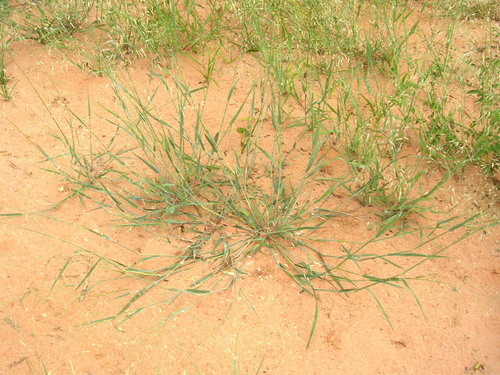
Amphipogon caricinus
F. Muell.
Grey beard grass, Long greybeard grass
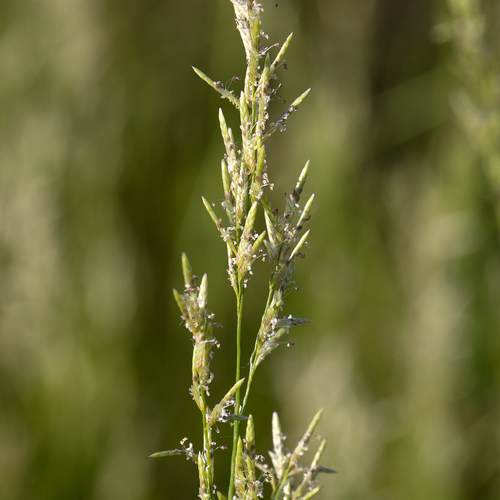
iNaturalist· cc-by
(c) Michael McBain, some rights reserved (CC BY), uploaded by Michael McBain
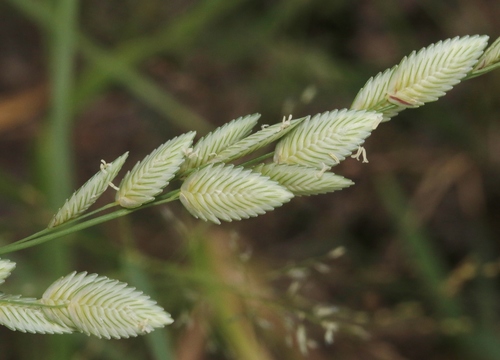
iNaturalist· cc-by-nc
(c) geoffbyrne, some rights reserved (CC BY-NC)
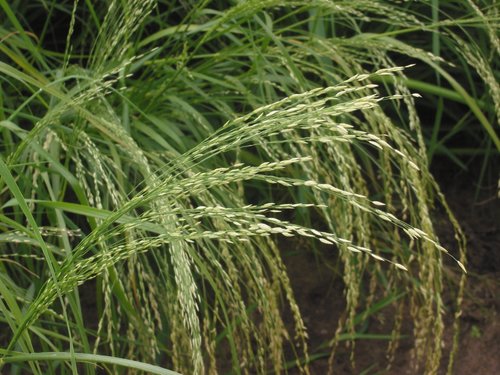
iNaturalist· cc-by-nc
(c) corynich78, some rights reserved (CC BY-NC)
Description
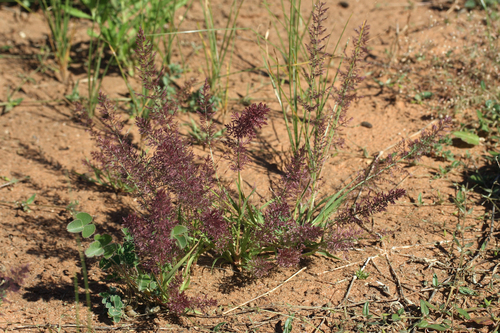
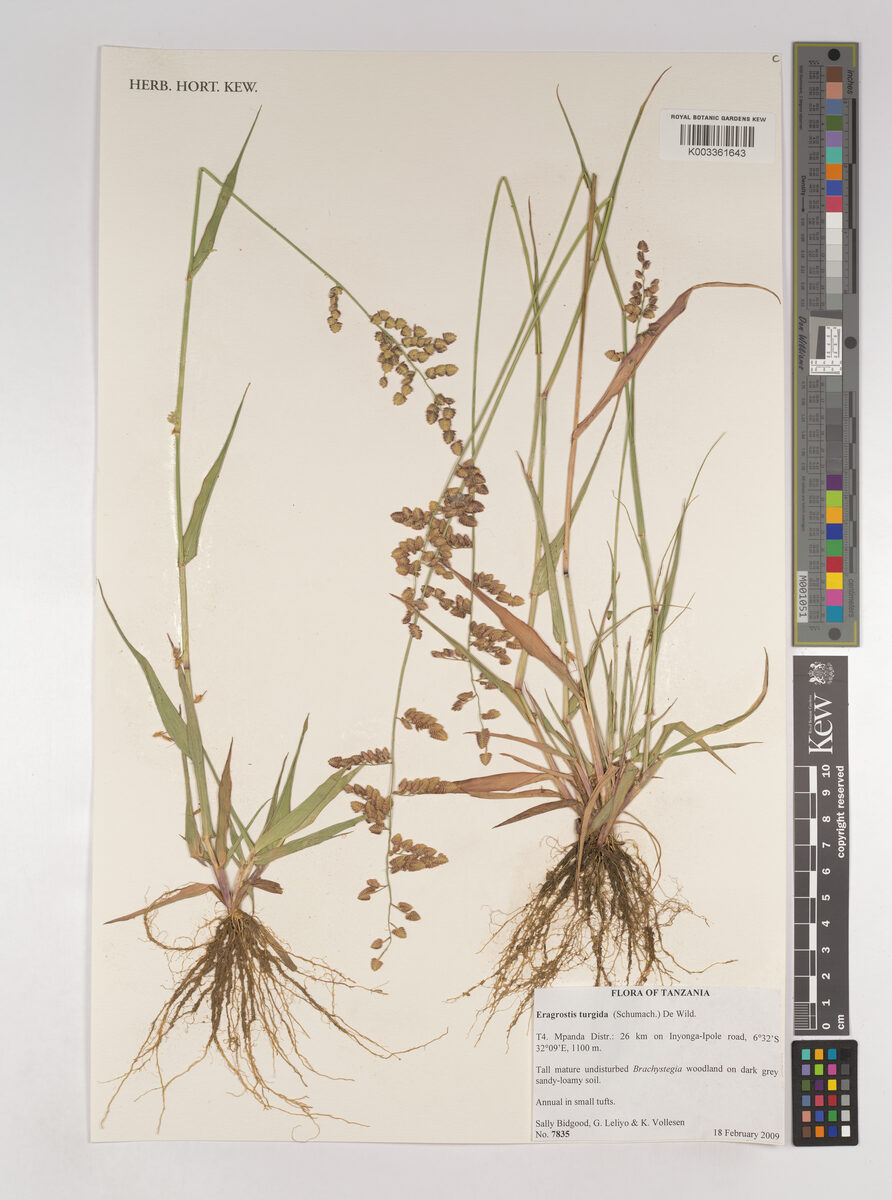
A grass which keeps growing from year to year. It forms erect tufts. It grows 30-60 cm high. The leaves are narrow and roll inwards. They are stiff and have a sharp point. The stems are erect and wiry. They are thickened at the base. The flower panicle is dense and 4-6.5 cm long. It is purplish and becomes pale brown.
Edible Uses
The seeds are harvested and used as a cereal.
Distribution
It grows in shallow soils. It is very drought resistant. It suits hot, dry locations. It grows in tropical and temperate places.
Where It Grows
Australia*,
Cultivation
Plants can be grown from seed or division.
Notes
There are 7 Amphipogon species. They grow in Australia.
References (5)
- Cherikoff V. & Isaacs, J., The Bush Food Handbook. How to gather, grow, process and cook Australian Wild Foods. Ti Tree Press, Australia p 188
- Elliot, W.R., & Jones, D.L., 1982, Encyclopedia of Australian Plants suitable for cultivation. Vol 2. Lothian. p 188
- Lazarides, M. & Hince, B., 1993, Handbook of Economic Plants of Australia, CSIRO. p 18
- Paczkowska, G. & Chapman, A.R., 2000, The Western Australian Flora. A Descriptive Catalogue. Western Australian Herbarium. p 94
- Williams, K.A.W., 1999, Native Plants of Queensland Volume 4. Keith A.W. Williams North Ipswich, Australia. p 52