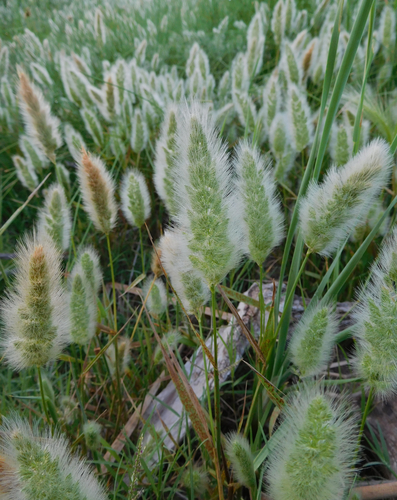
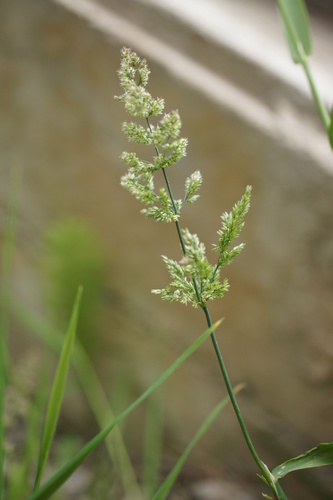
Andropogon canaliculatus
Schumach.
Poaceae Edible: Seeds, Cereal
gbif· cc-by-nc-sa
MBG
gbif· cc-by-nc-sa
MBG
gbif· cc-by-nc-sa
MBG
Description
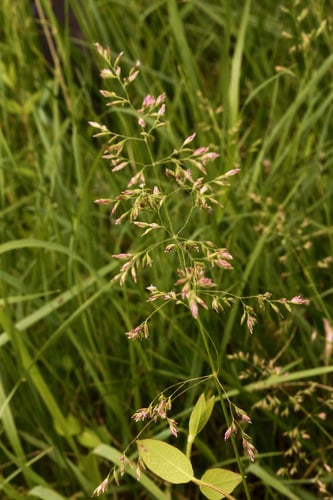
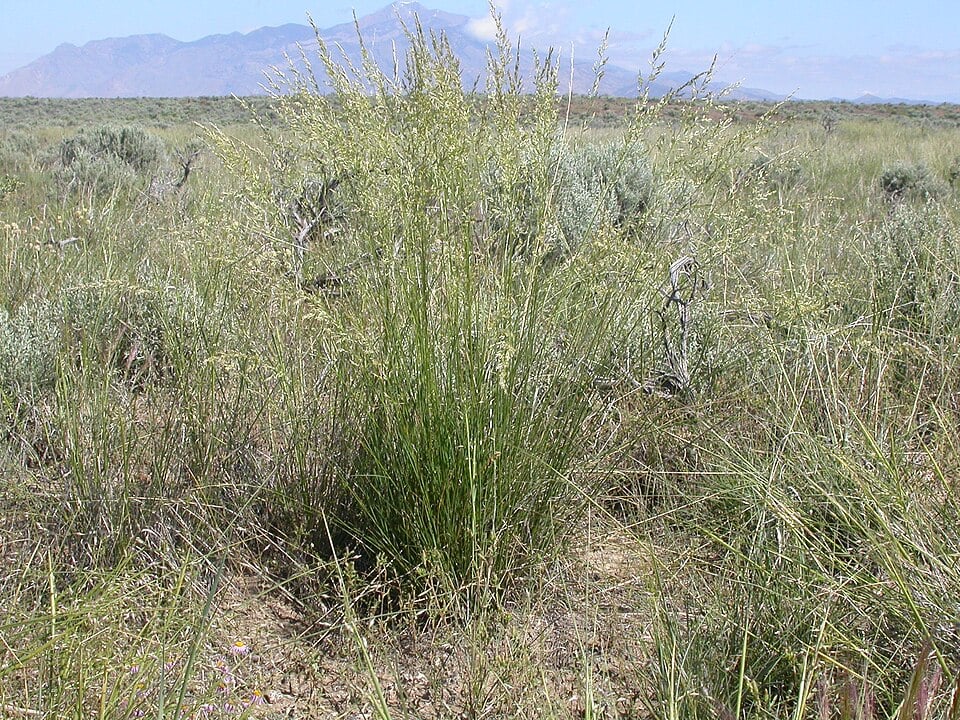
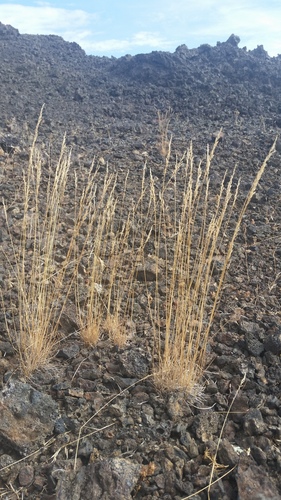
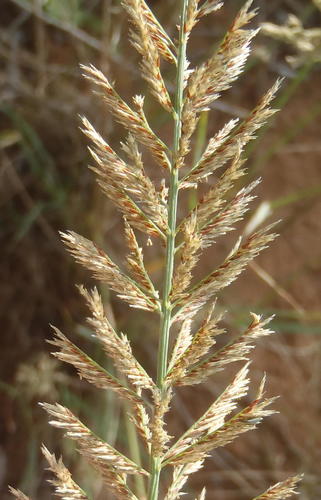
A grass herb. It forms tussocks. It keeps growing from year to year. It grows 1-2 m high. The stalks and thin and smooth. The leaf blades are narrow and taper to the tip. They are 25 cm long and 1-5 mm wide. The edges curve back.
Edible Uses
The seeds are used as a cereal grain.
Distribution
It is a tropical plant. It grows between sea level to 2,300 m above sea level. It can grow in arid places. It is often in seasonal swamps.
Where It Grows
Africa, Burkina Faso, Central Africa, Congo, Côte d'Ivoire, East Africa, Ethiopia, Ghana, Guinea, Guinée, Ivory Coast, Kenya, Malawi, Mali, Mozambique, Nigeria, Rwanda, Tanzania, Togo, Uganda, West Africa, Zambia, Zimbabwe,
Synonyms
Andropogon eucnemis Trin.Andropogon canaliculatus Schum. var. fastigiens StapfAndropogon canaliculatus Schum. var. fyffei StapfAndropogon macleodiae Stapf
References (4)
- Burkill, H.M., 1994. The useful plants of West Tropical Africa. 2nd Edition. Volume 2, Families E–I. Royal Botanic Gardens, Kew, Richmond, United Kingdom. 636 pp.
- Grivetti, L. E., 1980, Agricultural development: present and potential role of edible wild plants. Part 2: Sub-Saharan Africa, Report to the Department of State Agency for International Development. p 30
- Royal Botanic Gardens, Kew (1999). Survey of Economic Plants for Arid and Semi-Arid Lands (SEPASAL) database. Published on the Internet; http://www.rbgkew.org.uk/ceb/sepasal/internet [Accessed 6th May 2011]
- World Checklist of Useful Plant Species 2020. Royal Botanic Gardens, Kew