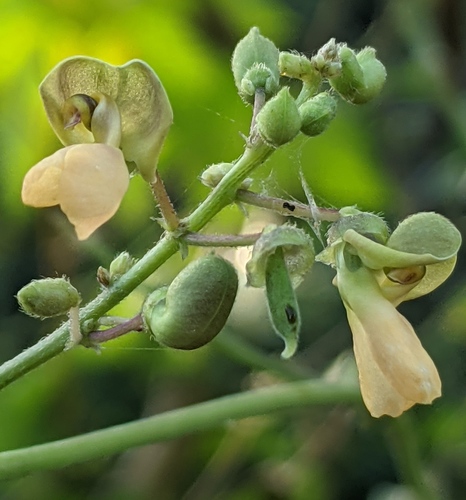
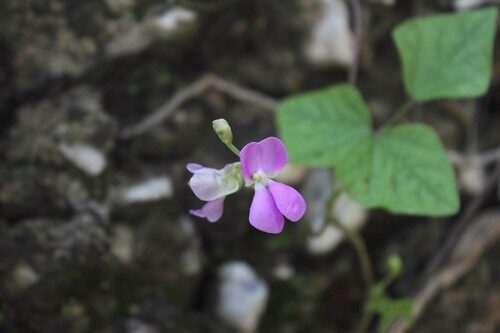
Inga micheliana
Harms
Cushin, Micheli inga
iNaturalist· cc-by-sa
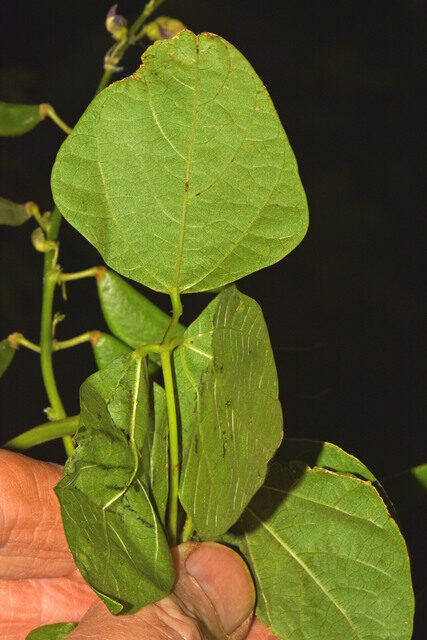
(c) paulexcoff, some rights reserved (CC BY-SA), uploaded by paulexcoff
iNaturalist· cc-by-nc
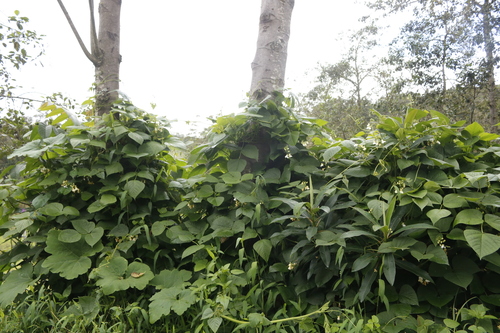
(c) Morgan Stickrod, some rights reserved (CC BY-NC), uploaded by Morgan Stickrod
iNaturalist· cc-by-nc
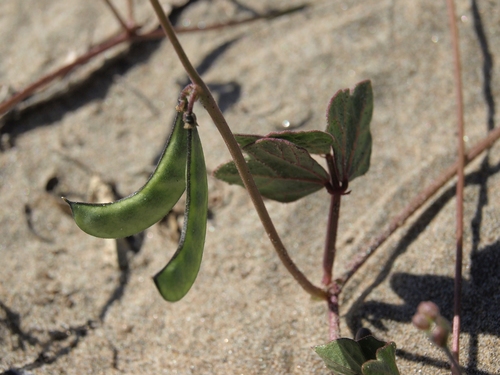
(c) Trevor Van Loon, some rights reserved (CC BY-NC), uploaded by Trevor Van Loon
gbif· cc-by-nc
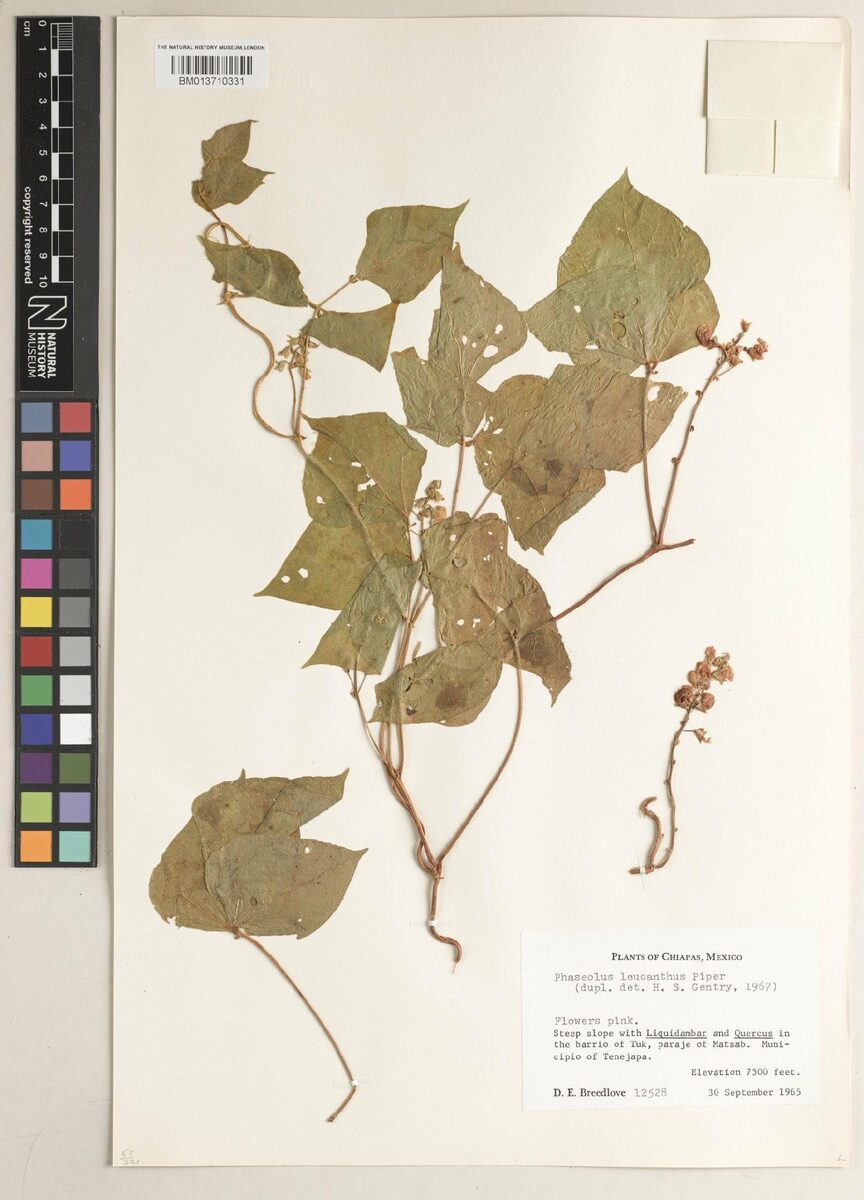
Rapid Reference Collection (RRC) | Field Museum of Natural History - Keller Science Action Center
gbif· cc-by-nc
Rapid Reference Collection (RRC) | Field Museum of Natural History - Keller Science Action Center
Description
A spreading tree 6-8 m tall in the legume family, native to moist riverside and forest habitats of tropical regions at 800-1,800 m elevation, growing in various soil types including limestone.
Edible Uses
The white layer (aril) surrounding the seeds is eaten fresh. The leaves are used to wrap tamales and impart a purple colour to the dish.
Traditional Uses
The leaves are used to wrap tamales to give a purple colour. The white layer around the seeds (aril) is eaten fresh.
This uses section is brief — help expand it
Distribution
A tropical plant. It grows beside rivers. It grows in moist forests. It grows between 800-1,800 m above sea level. It can grow in a range of soils including limestone.
Where It Grows
Central America, Colombia, Costa Rica, Guatemala, Honduras, Mexico, North America, Panama,
Cultivation
It can be grown by seeds or green wood cuttings. Plants grow easily from fresh seeds. Seeds germinate in 1-2 weeks given moisture and shade.
Propagation
Seed - Greenwood cuttings.
Other Uses
The wood of Inga species is generally attractive, but it has a coarse texture, is susceptible to attack by dry-wood termites and is not durable in the soil. When grown as a shade tree, the plant is pruned on a regular basis, and these prunings are often burned as a fuel. With its ability to fix atmospheric nitrogen, this tree is considered one of the best shade-supplying trees in Guatemala, where it is often planted to provide shade for coffee plantations. Inga species generally have a number of factors that make them popular for use as shade trees in coffee and cacao plantations:- they grow quickly and so soon make an effecte shade; they respond well to drastic pruning and so are easy to keep within the required size and shade levels; they promote and maintain soil fertility; they are effective soil stabilizers.
Notes
Also as Mimosaceae.
Synonyms
References (6)
- Facciola, S., 1998, Cornucopia 2: a Source Book of Edible Plants. Kampong Publications, p 152
- Fern, K., 2012, Tropical Species Database http://theferns.info/tropical/
- Kermath, B. M., et al, 2014, Food Plants in the Americas: A survey of the domesticated, cultivated and wild plants used for Human food in North, Central and South America and the Caribbean. On line draft. p 442
- Gonzalez-Espinosa, M. et al, 2011, The Red List of Mexican Cloud Forest Trees. Flora and Fauna International, Cambridge. p 33 (As Inga tuerckheumii)
- Lentz, D. L., 1993, Medicinal and Other Economic Plants of the Paya of Honduras. Economic Botany, Vol. 47, No. 4, pp. 358-370
Show all 6 references Hide references
- Repert. Scec. Nov. Regni Veg. 13:525. 1915