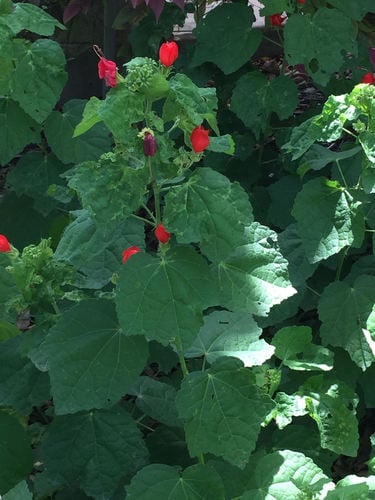
Modiola caroliniana
(L.) G. Don
Mauve, Cheeses, Red-flowered mallow, Bristly mallow
iNaturalist· cc-by-nc
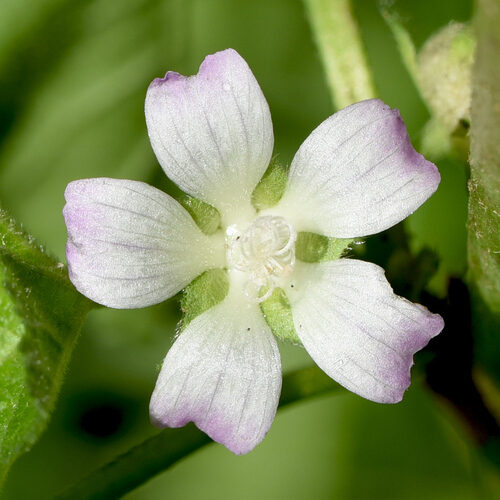
(c) Marian Buegeler, some rights reserved (CC BY-NC), uploaded by Marian Buegeler
iNaturalist· cc-by-nc
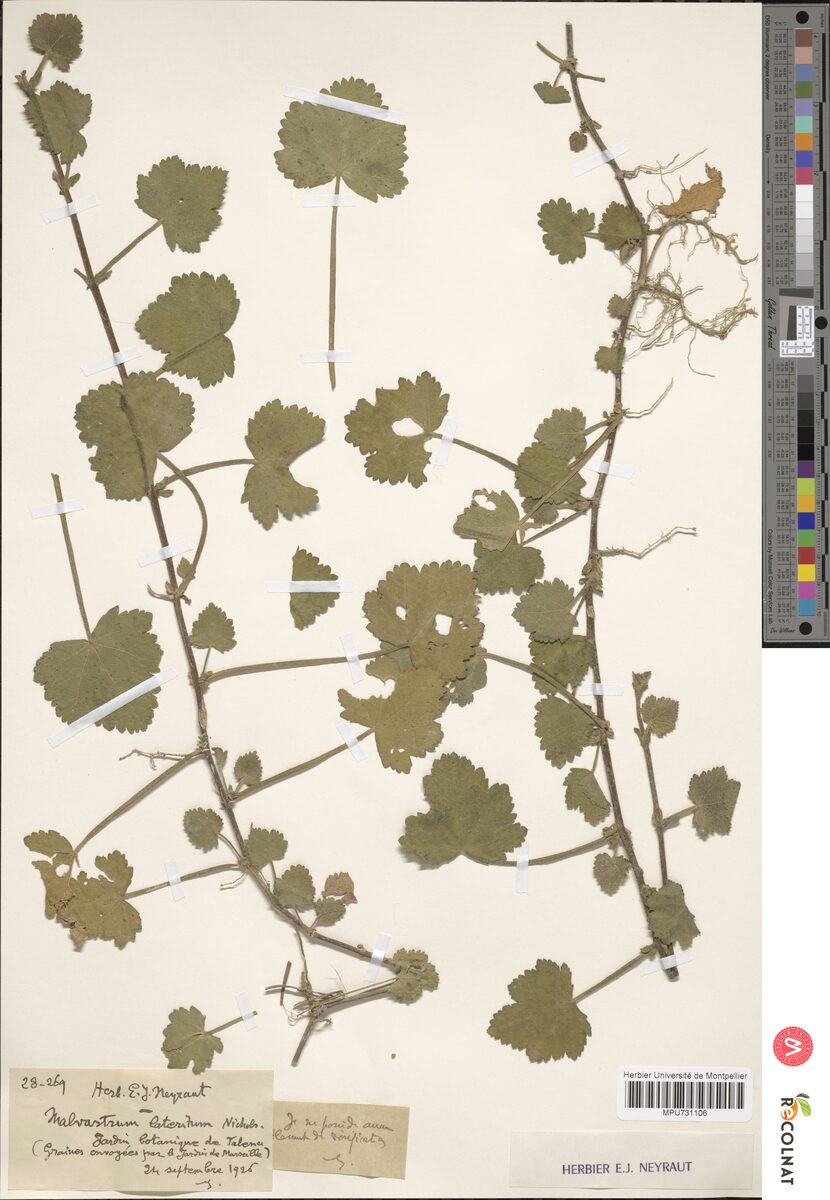
(c) Matthew Friant, some rights reserved (CC BY-NC), uploaded by Matthew Friant
iNaturalist· cc-by-sa
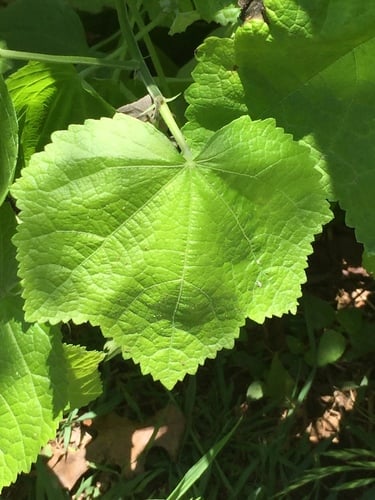
(c) Douglas Goldman, some rights reserved (CC BY-SA), uploaded by Douglas Goldman
Description
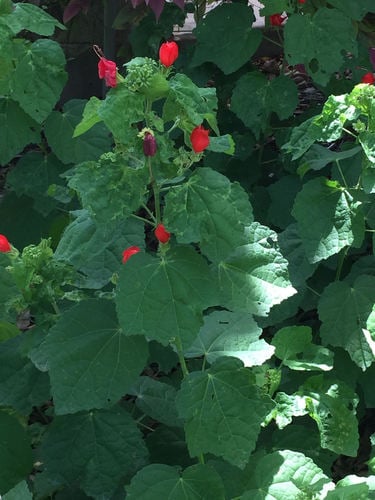
A herb. It can grow each year from seed or last for a few years. It forms roots at the nodes. It grows about 25 cm tall. The leaves are broadly oval and 3-4 cm long by 2-3 cm wide. There are 3-7 lobes. These have teeth. The flowers are red of orange. The fruit is a capsule 7-9 mm across.
Edible Uses
A few leaves are soaked for 2-3 hours in water to make a drink.
Traditional Uses
A few leaves are soaked for 2-3 hours in water to make a drink.
This uses section is brief — help expand it
Distribution
It is a temperate to tropical plant. In Argentina it grows from sea level to 2,100 m above sea level.
Where It Grows
Africa, Andes, Antilles, Argentina, Asia, Australia, Bolivia, Brazil, Central America*, Chile, Colombia, Dominican Republic, Europe, Haiti, Jamaica, Korea, Mexico, New Zealand, North America, Paraguay, Slovenia, South America*, Tasmania, Uruguay, USA, West Indies*,
Synonyms
Also Known As
Malva del campo, Malva del potro, Mercurio, Palapala, Pila pila, Sana todo
References (7)
- Facciola, S., 1998, Cornucopia 2: a Source Book of Edible Plants. Kampong Publications, p 148
- Gen. hist. 1:466. 1831
- http://www.botanic-gardens-ljubljana.com/en/plants
- Kermath, B. M., et al, 2014, Food Plants in the Americas: A survey of the domesticated, cultivated and wild plants used for Human food in North, Central and South America and the Caribbean. On line draft. p 542
- Malezas Comestibles del Cono Sur, INTA, 2009, Buernos Aires
Show all 7 references Hide references
- Plants of Haiti Smithsonian Institute http://botany.si.edu/antilles/West Indies
- Tasmanian Herbarium Vascular Plants list p 37