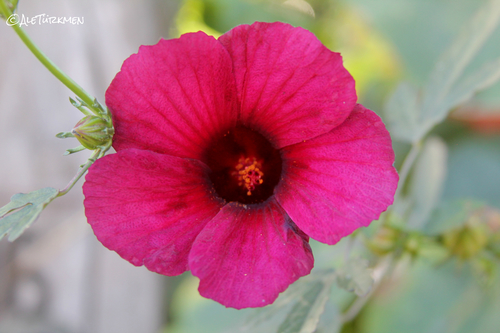
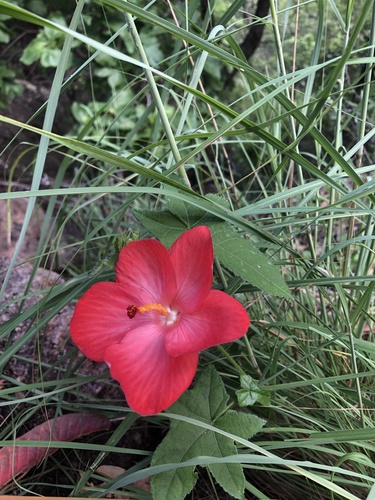
Kydia calycina
Roxb.
Boranga
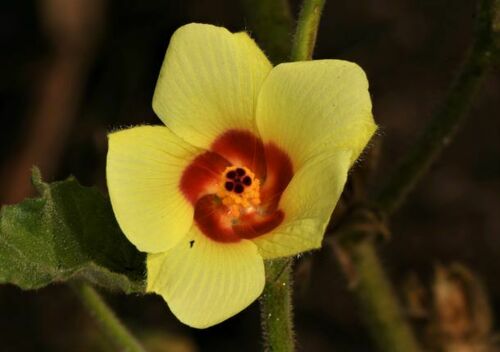
iNaturalist· cc-by-nc-sa
(c) Dinesh Valke, some rights reserved (CC BY-NC-SA)
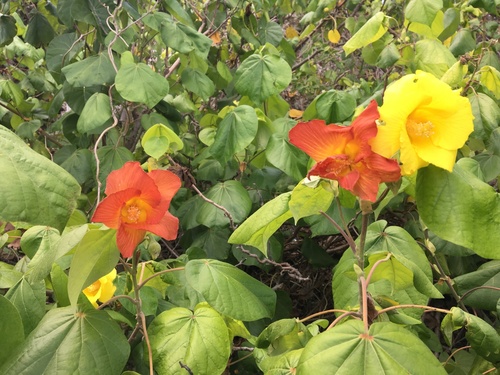
iNaturalist· cc-by-nc
(c) Rujuta Vinod, some rights reserved (CC BY-NC)
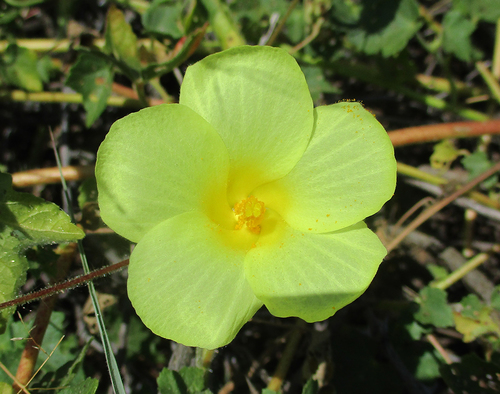
iNaturalist· cc-by-sa
(c) Dinesh Valke, some rights reserved (CC BY-SA)
Summary
Source: WikipediaKydia calycina is a species of flowering plant in the genus Kydia found in the Indian subcontinent, southern China and Southeast Asia. A fast‑growing, medium‑sized tree, it is widely exploited, even cultivated, for cheap timber and fiber.
Description
A tree. It grows 20 m tall. The leaves re 3-12 cm long by 4-17 cm wide. They can have 3 lobes and are almost heart shaped at the base. They are dark green above and more hairy underneath. The flowers are in a group. The fruit is a capsule 4-5 mm wide. The seeds are dark brown and kidney shaped.
Edible Uses
The mucilaginous material from the stems is used to clarify sugar.
Traditional Uses
The mucilaginous material from the stems is used to clarify sugar.
This uses section is brief — help expand it
Distribution
It is a tropical plant. In southern China it grows in sparse mixed forests in valleys between 500-1,600 m above sea level. In Yunnan.
Where It Grows
Asia, Bhutan, China, Himalayas, India, Indochina, Laos, Myanmar, Nepal, Pakistan, SE Asia, Thailand, Vietnam,
Cultivation
Grows in warm temperate to tropical areas.
Propagation
Seed - Cuttings of half-ripe wood.
Other Uses
Fibre from the bark is used to make coarse ropes. A mucilaginous material obtained from the stems is used to clarify sugar.
Notes
There are 4 or 5 Kydia species.
Also Known As
Baluma-shaw, Dwabok, Magan, Magan-kaja, Magap, Miekyat, Phet-wun-ni, Tabo, Tayaw-ni
References (4)
- Facciola, S., 1998, Cornucopia 2: a Source Book of Edible Plants. Kampong Publications, p 148
- Gardner, S., et al, 2000, A Field Guide to Forest Trees of Northern Thailand, Kobfai Publishing Project. p 73
- Pl. Coromandel 3:11, 12, t. 215. 1811
- World Checklist of Useful Plant Species 2020. Royal Botanic Gardens, Kew