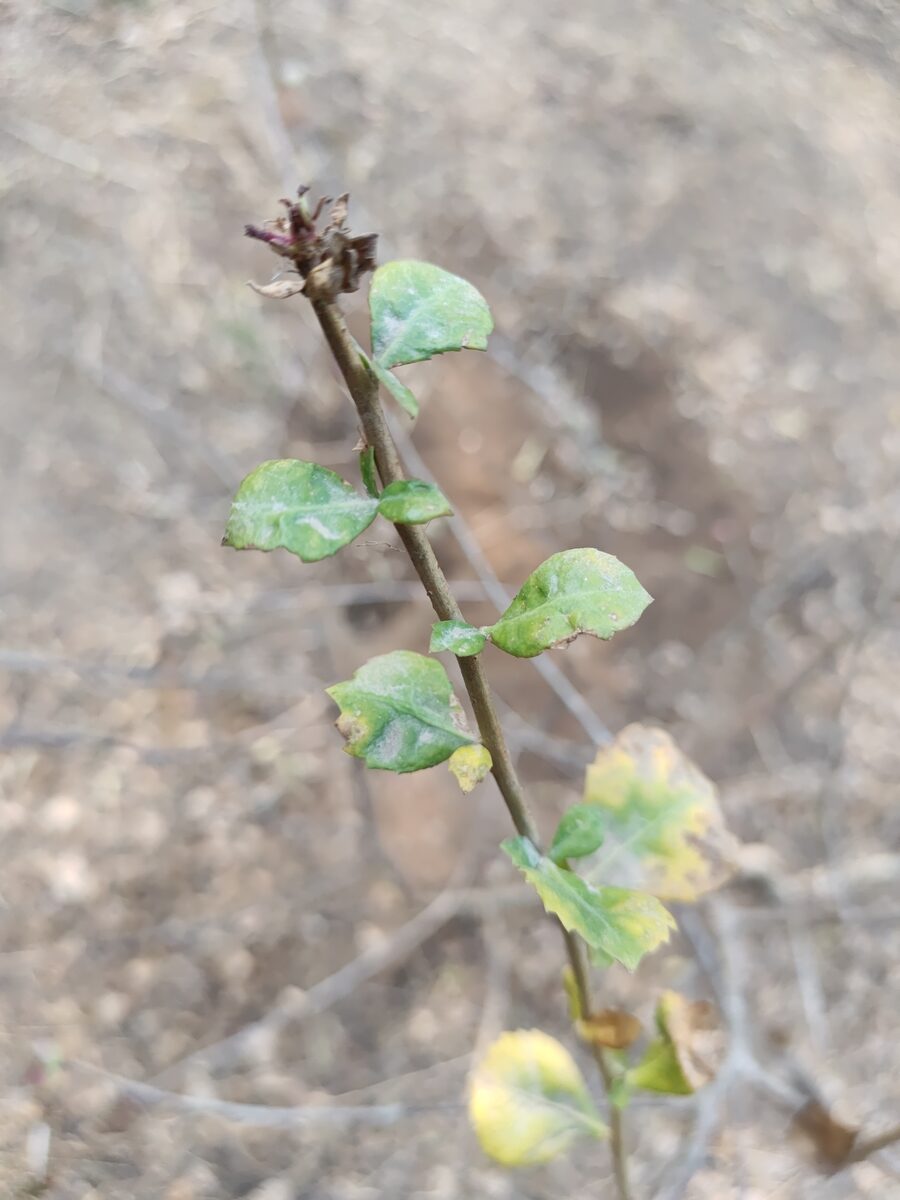
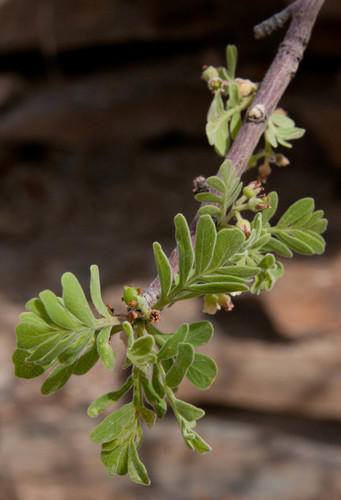
Dacryodes olivifera
Cuatrec.
Olive-bearing dacryodes
gbif· cc-by-nc
Andrew I. Gallardo : Field Museum of Natural History - Department of Zoology
gbif· cc-by-nc
Rapid Reference Collection (RRC) | Field Museum of Natural History - Keller Science Action Center
Description
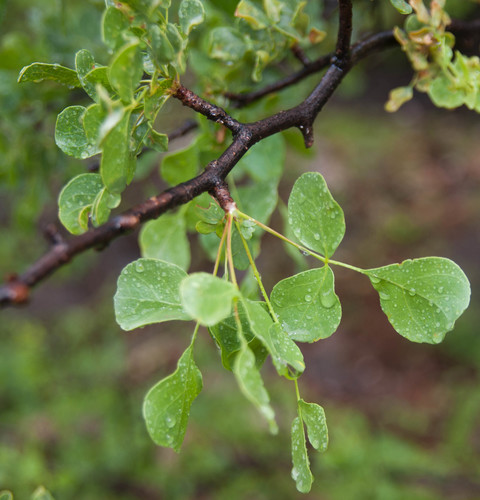
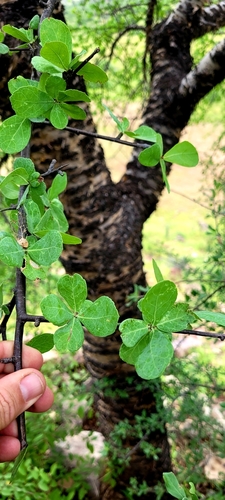
A tropical tree in the Burseraceae family native to tropical regions. The fruit is the edible portion and is traditionally eaten cooked.
This description is brief — help expand it
Edible Uses
The fruit are eaten cooked.
Traditional Uses
The fruit are eaten cooked.
This uses section is brief — help expand it
Distribution
It is a tropical plant.
Where It Grows
Amazon, Andes, Colombia, Ecuador, Peru, South America,
Other Uses
The heartwood is cream white to pinkish white; it is not clearly demarcated from the 3 - 8cm wide band of sapwood. The texture is fine; the grain irregular and interlocked. The wood is light in weight, soft to moderately hard; it is not durable, being susceptible to fungi, dry wood borers and termites. The wood seasons normally, with only a slight risk of checking or distortion; once dry it is moderately stable in service. The fairly high silica content of the wood has a high blunting effect, stellite-tipped and tungsten carbide tools are recommended; there are also difficulties caused by the highly interlocked grain; nailing and screwing are good; gluing is correct. The wood is used for purposes such as interior joinery and panelling, boxes and crates, cheaper furniture, shingles and veneer.
Also Known As
Anime, Carana, Copal rosado, Gommer, Pulgande
References (3)
- Grandtner, M.M. & Chevrette, J., Dictionary of Trees, Volume 2: South America: Nomenclature, Taxonomy and Ecology
- Kew Plants of the World onLine
- Roa, J. A. G. & Boada, D. S. G., 2018, Fundación para el Fortalecimiento de la Fruticultura y Plantas Alimenticias no Convencionales en Colombia.