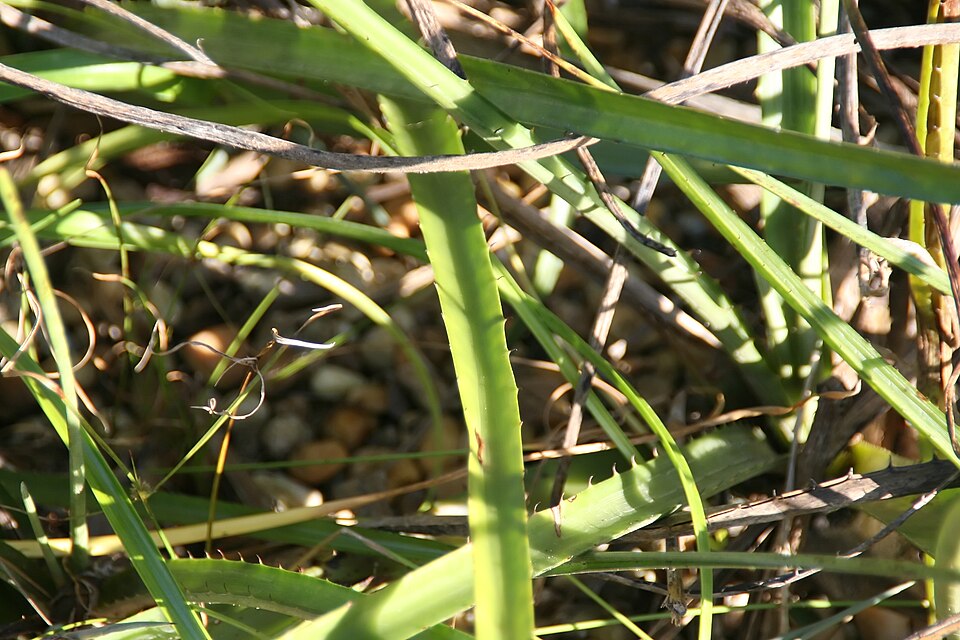
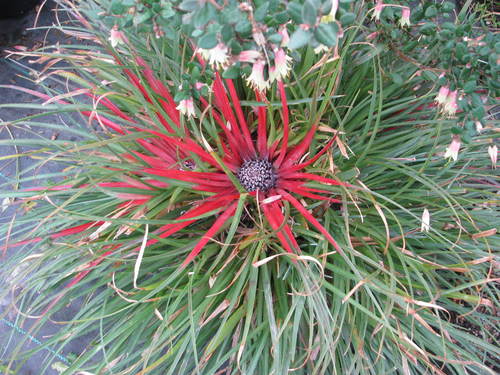
Tillandsia erubescens
Schltdl.
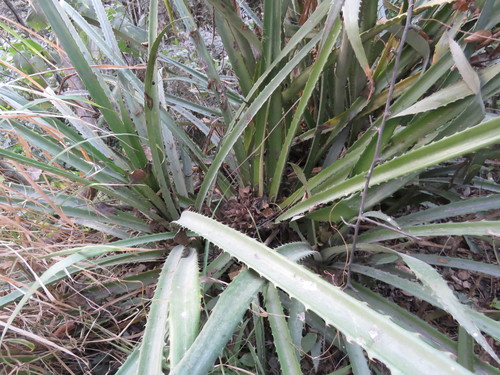
iNaturalist· cc-by-nc
(c) rbsg-prorest-1133, some rights reserved (CC BY-NC)
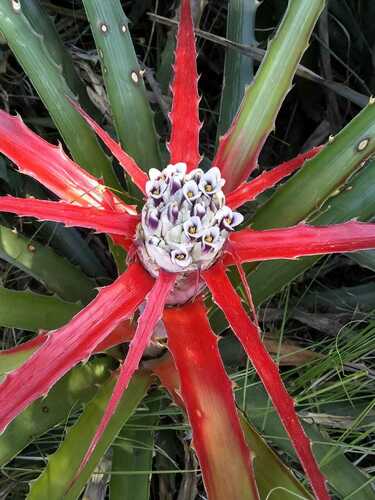
iNaturalist· cc-by-nc
(c) Salvador Sánchez, some rights reserved (CC BY-NC)
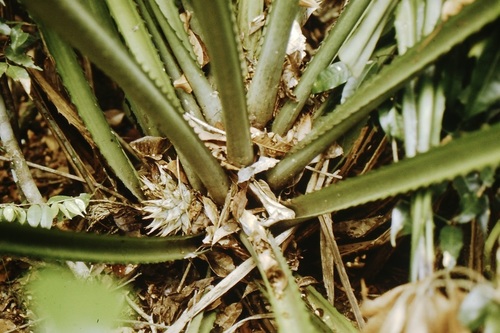
iNaturalist· cc-by-nc
(c) Salvador Sánchez, some rights reserved (CC BY-NC)
Summary
Source: WikipediaTillandsia erubescens is a species of epiphytic plants of the genus Tillandsia. This species is endemic to Mexico, found over much of the country from Chihuahua to Oaxaca. Three varieties are recognized: Tillandsia erubescens var. arroyoensis W.Weber & Ehlers – northeastern Mexico Tillandsia erubescens var. erubescens – much of Mexico Tillandsia erubescens var. patentibracteata W.Weber & Ehlers – Sinaloa
Description
A herb.
This description is brief — help expand it
Edible Uses
The Pima of Mexico occasionally eat T. erubescens and Tillandsia recurvata flowers due to their high sugar content.
Traditional Uses
The flowers are eaten for their sweetness. Tillandsia sp. is used as a water supply for cooking during the dry season.
This uses section is brief — help expand it
Distribution
It is a subtropical plant.
Where It Grows
Mexico, North America, USA,
Notes
There are 411 Tillandsia species. They grow in other plants but don't get their food from them.
Nutrition
| Part | Moisture | kJ | kcal | Protein | Vit A | Vit C | Iron | Zinc |
|---|---|---|---|---|---|---|---|---|
| Flowers | — | 316 | 8.8 | — | — | — | — | — |
Synonyms
Also Known As
Dowaka, Heno, Tilandsia
References (5)
- Facciola, S., 1998, Cornucopia 2: a Source Book of Edible Plants. Kampong Publications, p 62
- Kermath, B. M., et al, 2014, Food Plants in the Americas: A survey of the domesticated, cultivated and wild plants used for Human food in North, Central and South America and the Caribbean. On line draft. p 868
- Linskens,
- Laferriere, J. E., et al, 1991, Use and Nutritional Composition of Some traditional Mountain Pima Plant Foods J. Ethnobiol. 11(1):93-114 (Figures on dry weight basis)
- Moerman, D. F., 2010, Native American Ethnobotany. Timber Press. p 563 (As Tillandsia sp.)