Iberis amara
L.
Rocket candytuft
iNaturalist· cc-by-nc-sa
(c) Xavier Béjar, some rights reserved (CC BY-NC-SA)
iNaturalist· cc-by-nc
(c) Alba Rovira, some rights reserved (CC BY-NC)
iNaturalist· cc-by-nc
(c) Alba Rovira, some rights reserved (CC BY-NC)
Summary
Source: WikipediaIberis amara, called wild candytuft, rocket candytuft and bitter candytuft, is a species of flowering plant in the family Brassicaceae, native to Belgium, France, Germany, Great Britain, Italy, Spain, and Switzerland. It has been introduced to numerous locations including Algeria, Sweden, Eastern Europe, the Caucasus, Iraq, Kazakhstan, the Indian Subcontinent, Korea, Far Eastern Russia, New Zealand, Argentina, Ecuador, Hispaniola, the United States, and Canada. It prefers to grow in warm and sunny conditions, in high-calcium soil.
Description
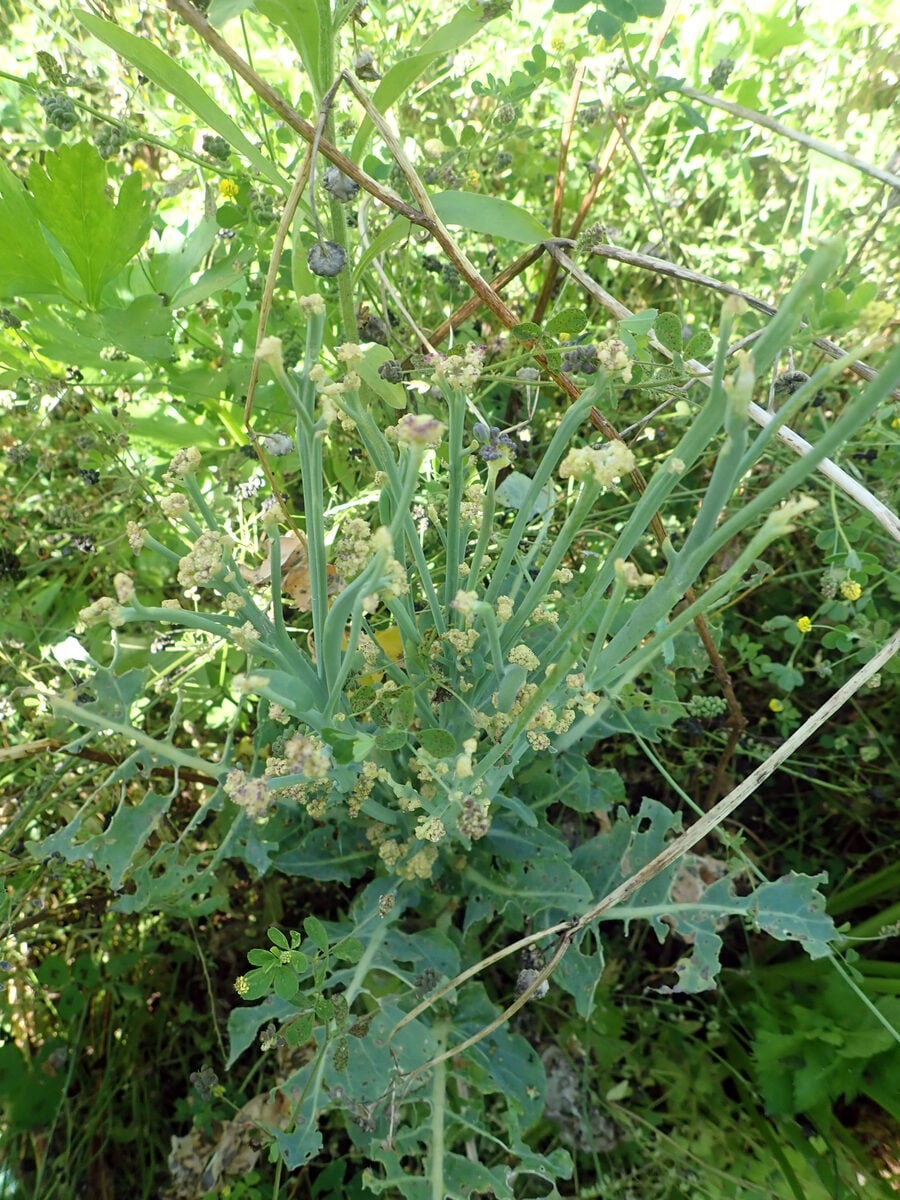
A cabbage family herb. It is an annual plant. It grows 10-30 cm high. The leaves are simple. The lower leaves are spoon shaped and the higher ones are sword shaped. There can be some teeth near the tip. The flowers are 1 cm across and white or pale violet.
Edible Uses
The seeds can be used as a mustard substitute. Pungency develops when cold water is added to ground seed — an enzyme (myrosin) acts on a glycoside (sinigrin) to produce a sulphur compound, a reaction that takes 10–15 minutes. Using hot water or vinegar, or adding salt, inhibits the enzyme and produces a mild, bitter mustard instead.
Traditional Uses
The seeds are occasionally used as a source of mustard.
This uses section is brief — help expand it
Medicinal Uses
Rocket candytuft is little used in modern herbalism, where it functions as a bitter tonic that aids digestion and relieves wind and bloating. It has traditionally been taken for gout, rheumatism and arthritis. All parts of the plant are antirheumatic and antiscorbutic. The seeds are considered especially useful in treating asthma, bronchitis and dropsy. The plant is gathered in summer and can be dried for later use, while seeds are harvested when fully ripe. A homeopathic remedy is also prepared from the seeds.
Distribution
It is a temperate and tropical plant.
Where It Grows
Argentina, Asia, Australia, China, Dominican Republic, Europe*, Haiti, Himalayas, India, Korea, Luxembourg, Myanmar, Nepal, Pakistan, Puerto Rico, SE Asia, Slovenia, South America*, Switzerland, Taiwan, West Indies,
Cultivation
Easily grown in a good, well-drained ordinary garden soil in a sunny position. Prefers a calcareous soil but tolerates mildly acid soils. Succeeds in poor soils and on dry walls. A very ornamental plant. A fast growing plant, do not grow the plants too close together. The flowers are sweetly scented.
Propagation
Sow seed in spring in situ for summer flowering, or in late summer in situ for a spring flowering. Seed germinates within 3 weeks.
Other Uses
None known.
Notes
There are about 30 Iberis species.
Also Known As
Obrečni grenik, Pauk-pauk-sok
References (3)
- Facciola, S., 1998, Cornucopia 2: a Source Book of Edible Plants. Kampong Publications, p 58
- Plants of Haiti Smithsonian Institute http://botany.si.edu
- Sp. pl. 2:649. 1753
More from Brassicaceae
Brassica oleracea sabauda
Savoy Cabbage
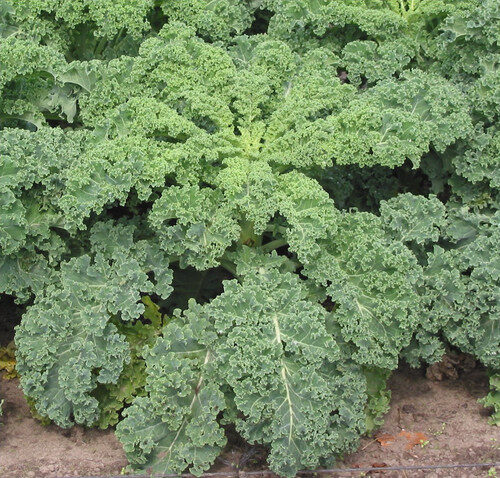
Brassica oleracea sabellica
Curly Kale
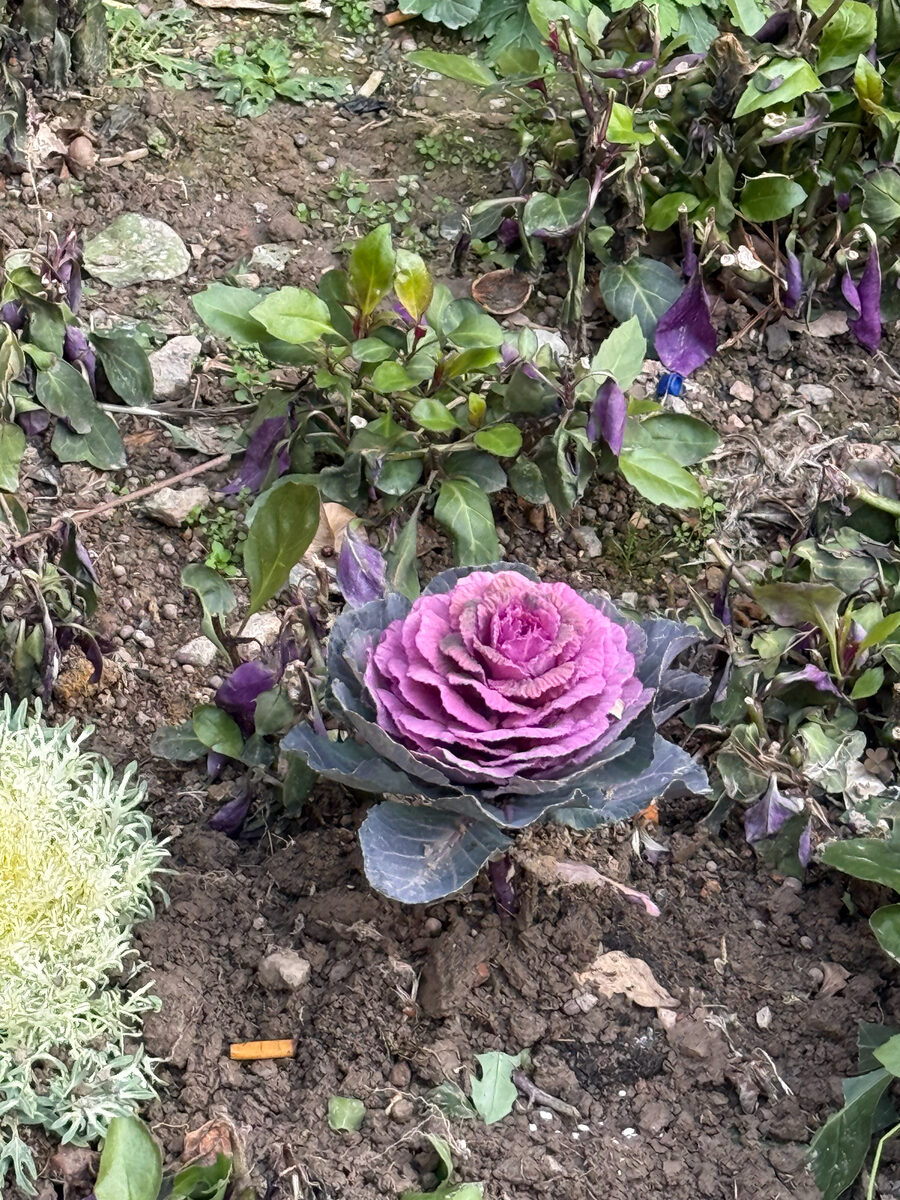
Brassica oleracea var. acephala
Kale, Collards
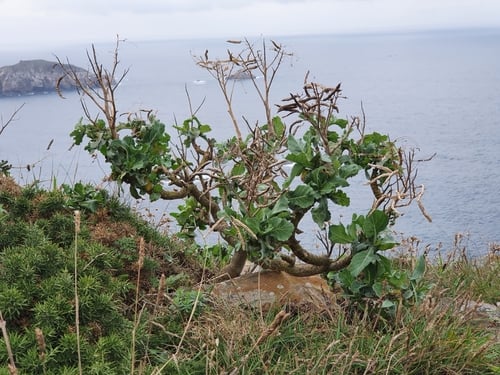
Brassica oleracea var. albiflora
Chinese kale
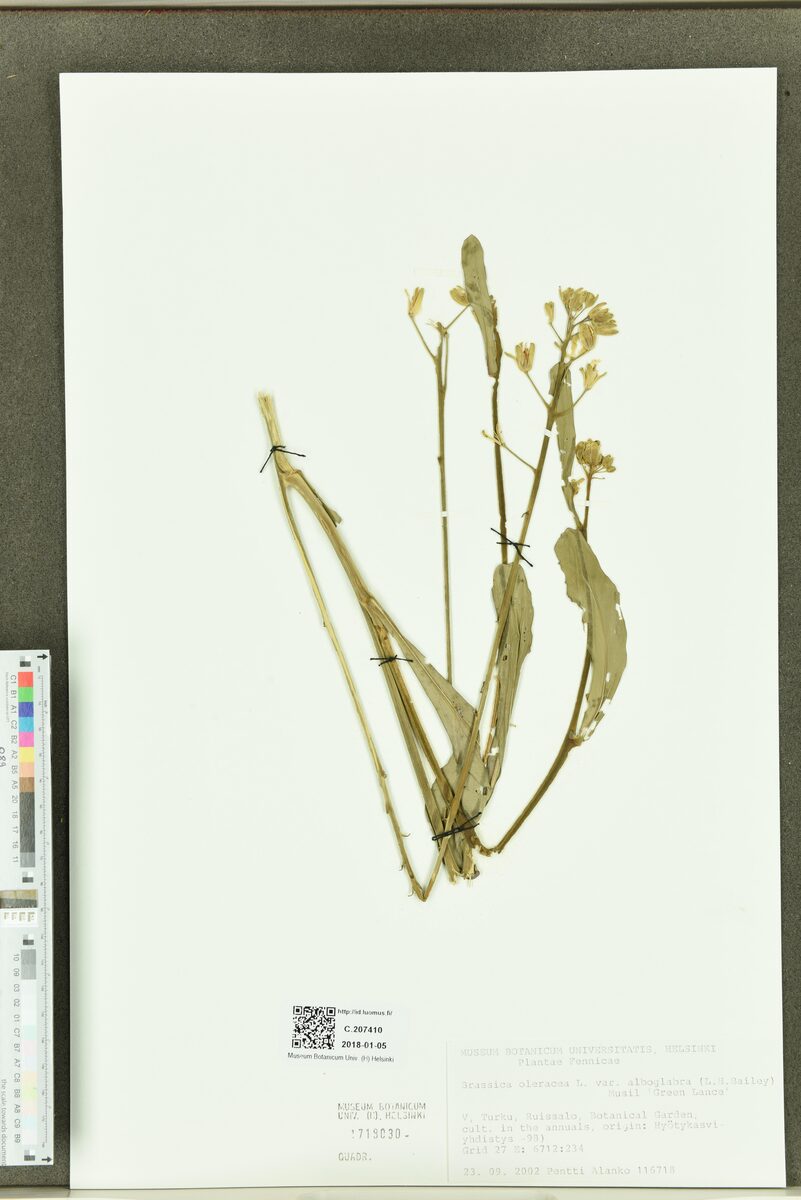
Brassica oleracea var. alboglabra
Chinese Kale, Chinese broccoli, White flowered broccoli
Brassica oleracea var. botrytis
Cauliflower