Artemisia annua
L.
Sweet wormwood, Sweet Annie
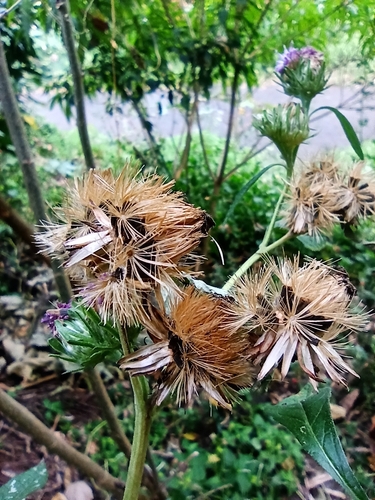
iNaturalist· cc-by
(c) Sandy Wolkenberg, some rights reserved (CC BY), uploaded by Sandy Wolkenberg
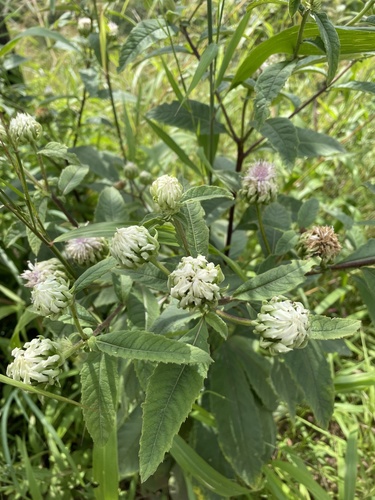
iNaturalist· cc-by-nc
(c) Еlena, some rights reserved (CC BY-NC), uploaded by Еlena
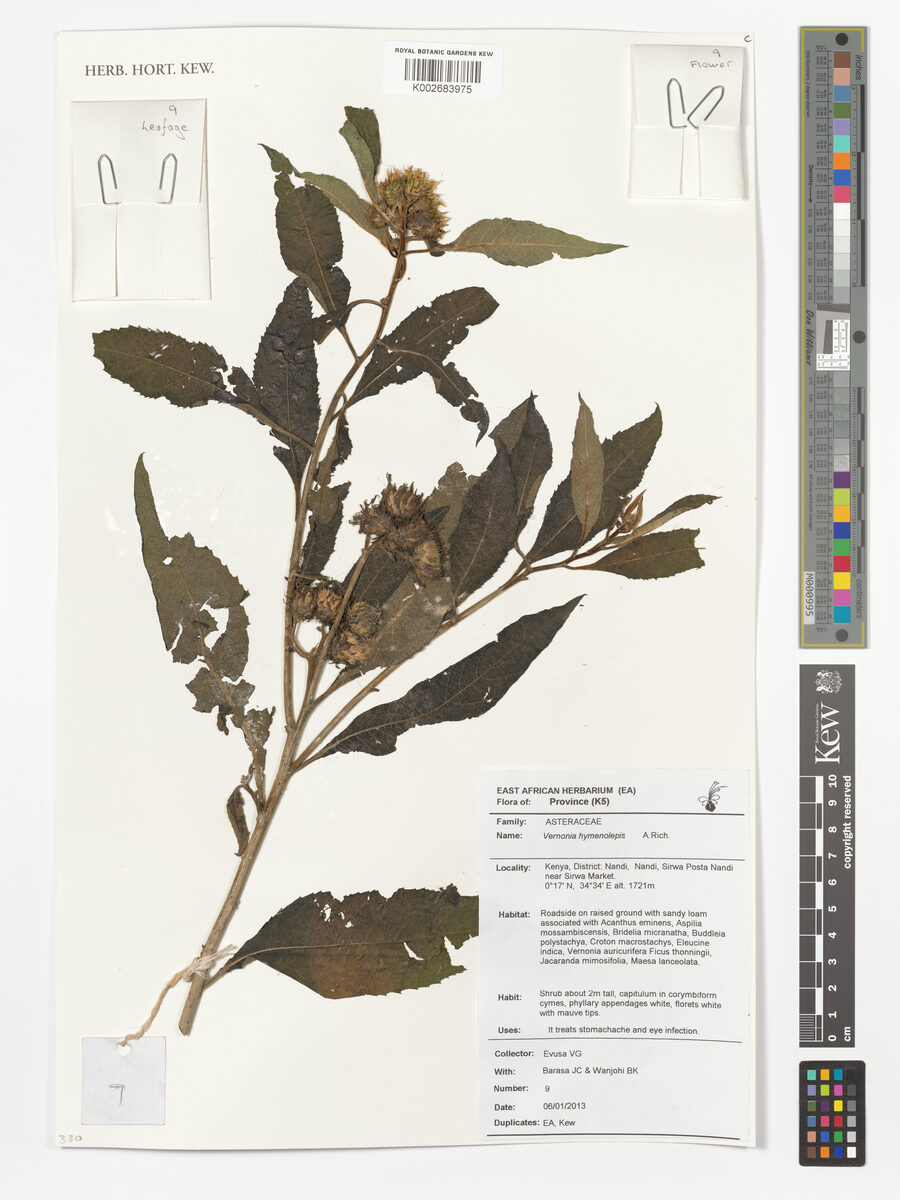
iNaturalist· cc-by-nc-sa
(c) Scamperdale, some rights reserved (CC BY-NC-SA)
Summary
Source: WikipediaArtemisia annua, also known as sweet wormwood, sweet annie, sweet sagewort, annual mugwort or annual wormwood, is a common type of wormwood native to temperate Asia, but naturalized in many countries including scattered parts of North America. The chemical compound artemisinin, which is isolated from A. annua, is a medication used to treat malaria due to Plasmodium falciparum, the deadliest species of malarial parasite. Discovery of artemisinin and its antimalarial properties made the Chinese scientist Tu Youyou recipient of the 2011 Lasker Prize and 2015 Nobel Prize in Physiology or Medicine.
Description
A large annual herb. The stems are upright and often red. It can grow 1.6 m tall. The leaves are finely divided with leaflets along the stalk and teeth along the edge. The flowers are small and yellow and are in loose clusters.
Edible Uses
Edible Parts: Edible Uses: Condiment An essential oil in the leaves is used as a flavouring in spirits such as vermouth.
Traditional Uses
It is used as a medium for growing Aspergillus used in brewing wine. It is also used to flavour honey wine. The leaves are eaten as a vegetable. Caution: The leaves should not be given to pregnant women during the first 3 months of pregnancy.
Medicinal Uses
Antibacterial Antiperiodic Antiseptic Carminative Digestive Febrifuge Malaria Miscellany Qing Ho, better known in the West as sweet wormwood, is a traditional Chinese herbal medicine. An aromatic anti-bacterial plant, recent research has shown that it destroys malarial parasites, lowers fevers and checks bleeding. It is often used in the Tropics as an affordable and effective anti-malarial. The leaves are antiperiodic, antiseptic, digestive, febrifuge. An infusion of the leaves is used internally to treat fevers, colds, diarrhoea etc. Externally, the leaves are poulticed onto nose bleeds, boils and abscesses. The leaves are harvested in the summer, before the plant comes into flower, and are dried for later use. The plant contains artemisinin, this substance has proved to be a dramatically effective anti-malarial against multi-drug resistant Plasmodium spp. Clinical trials have shown it to be 90% effective and more successful than standard drugs. In a trial of 2000 patients, all were cured of the disease. The seeds are used in the treatment of flatulence, indigestion and night sweats.
Known Hazards
Skin contact with the plant can cause dermatitis or other allergic reactions in some people. The pollen is extremely allergenic.
Distribution
A temperate plant. It can grow in semi-desert and salty soils. In China it grows between 2,000-3,700 m above sea level. It grows in Sichuan and Yunnan. In Argentina it grows from sea level to 1,000 m above sea level.
Where It Grows
Afghanistan, Africa, Albania, Argentina, Asia, Australia, Canada, Central Africa, Central Asia, China, Congo DR, Europe, India, Indochina, Iran, Korea, Laos, Middle East, Mongolia, Myanmar, North America, Pakistan, SE Asia, Siberia, South America, Taiwan, Tajikistan, Tasmania, Tibet, USA,
Cultivation
An easily grown plant, succeeding in a well-drained circumneutral or slightly alkaline loamy soil, preferring a sunny position. Plants are longer lived, more hardy and more aromatic when they are grown in a poor dry soil. A fast-growing annual plant, it is tall but neat in habit with a handsome fragrant foliage and is useful for filling gaps at the back of a border. It has become a weed of waste places in many areas of the world. The plant is extremely vigorous and essentially disease and pest free. Qing Hao is a determinate short-day plant. Non-juvenile plants are very responsive to photoperiodic stimulus and flower about two weeks after induction. The critical photoperiod seems to be about 13.5 hours, but there are likely to be photoperiod x temperature interactions. In Lafayette Indiana, USA (40°21'N) plants flower in early September with mature seeds produced in October. The plant is not adapted to the tropics because flowering will be induced when the plants are very small. Most collections of artemisia derive from natural stands with highly variable artemisinin content, some as low of 0.01%. Selections from Chinese origin vary from 0.05 to 0.21%. Swiss researcher N. Delabays reports a clonal selection derived from Chinese material which produces 1.1% artemisin but is very late flowering; proprietary hybrids have been obtained with somewhat lower content but flower earlier. Members of this genus are rarely if ever troubled by browsing deer. The aerial parts can be harvested in summer when they are in full bloom, while roots can be harvested in autumn. Artemisia typically flowers in summer. Artemisia species can vary in growth rate, but many are moderately fast-growing, reaching maturity within 1-2 years under optimal conditions.
Propagation
Seed - sow spring in a cold frame and plant out in late spring or early summer. Alternatively, the seed can be sown late spring in situ.
Other Uses
Essential Herbicide Miscellany Agroforestry uses: Artemisia species are often used for soil improvement, as ground cover, and in companion planting due to their pest-repellent properties. Some species are also used for erosion control. The plant is used in China as a medium for growing Aspergillus which is used in brewing wine. The substances mentioned above in the medicinal uses, used in the treatment of malaria, also show marked herbicidal activity. The plant yields 0.3% essential oil. This has an agreeable, refreshing and slightly balsamic odour and has been used in perfumery. 1. Nectary - Flowers rich in nectar and pollen: Yes – Artemisia species produce flowers that can provide nectar and pollen, attracting various pollinators, including bees. 2. Wildlife - Food (Fruit, Seeds, Leaf litter, Shelter, Nesting, Roosting): Yes – The leaves of some Artemisia species are consumed by various insects and herbivores. Additionally, the plant can provide cover for small wildlife. 3. Invertebrate Shelter (Overwintering sites, Leaf litter, Groundcover): Yes – The dense foliage can offer shelter and overwintering sites for beneficial insects, and the leaf litter can provide habitat for various invertebrates. 4. Pest Confuser (Smell): Yes – Many Artemisia species are aromatic and can confuse or repel pests due to their strong scent, which may deter some insects. Special Uses Scented Plants
Production
It is fast growing.
Notes
It is useful for treating malaria.
Also Known As
Huanghao, Qing Hao
References (15)
- Bircher, A. G. & Bircher, W. H., 2000, Encyclopedia of Fruit Trees and Edible Flowering Plants in Egypt and the Subtropics. AUC Press. p 42
- Brown, D., 2002, The Royal Horticultural Society encyclopedia of Herbs and their uses. DK Books. p 132
- Facciola, S., 1998, Cornucopia 2: a Source Book of Edible Plants. Kampong Publications, p 33
- https://en.wikipedia.org/wiki/List of wild edible plants in Mongolian cuisine
- Jia, X., et al, 2022, Ethnobotany of wild edible plants in multiethnic areas of the Gansu–Ningxia–Inner Mongolia junction zone. Journal of Ethnobiology and Ethnomedicine 18:53
Show all 15 references Hide references
- Karhagomba, I. B., et al, 2013, The cultivation of wild food and medicinal plants for improving community livelihood: The case of the Buhozi site, DR Congo. Nutrition Research and Practice (Nutr Res Pract) 2013;7(6):510-518
- Latham, P., 2004, Useful Plants of Bas-Congo province. Latham & DFID p 40
- Latham, P. & Mbuta, A. K., 2014, Useful Plants of Bas-Congo Province, Democratic Republic of Congo. Volume 1. p 59
- MacKinnon, A., et al, 2009, Edible & Medicinal Plants of Canada. Lone Pine. p 370
- Sp. pl. 2:847. 1753
- Trendafilova, A., et al, 2020, Research Advances on Health Effects of Edible Artemisia Species and Some Sesquiterpene Lactones Constituents. Foods 2021, 10, 65. p 4
- Urgamal, M., Oyuntsetseg, B., Nyambayar, D. & Dulamsuren, Ch. 2014. Conspectus of the vascular plants of Mongolia. (Editors: Sanchir, Ch. & Jamsran, Ts.). Ulaanbaatar, Mongolia. “Admon“ Press. 334pp. (p. 199-230).
- Wang, J. et al, 2013, A Study on the Utilization of Wild Plants for Food in Liangshan Yi Autonomous Prefecture. Plant Diversity and Resources. 35(4): 416-471
- Woo, Y., et al, 2017, Antioxidant Potential of Selected Korean Edible Plant Extracts. Hindawi BioMed Research International Volume 2017, Article ID 7695606
- World Checklist of Useful Plant Species 2020. Royal Botanic Gardens, Kew