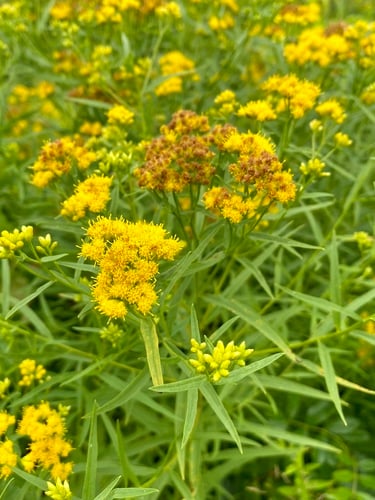
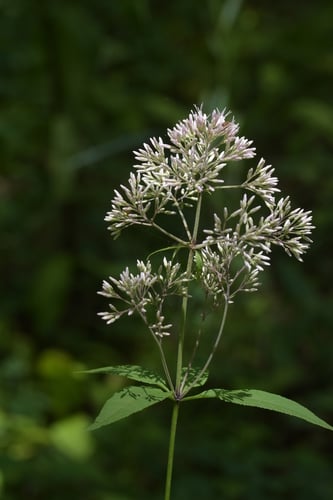
Polydora serratuloides
(DC.) H. Rob.
iNaturalist· cc-by-nc
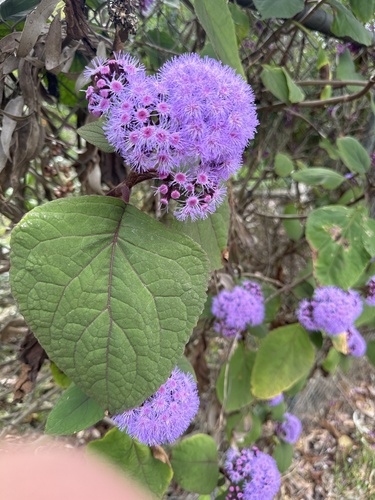
(c) Henry Parsons, some rights reserved (CC BY-NC)
iNaturalist· cc-by-nc
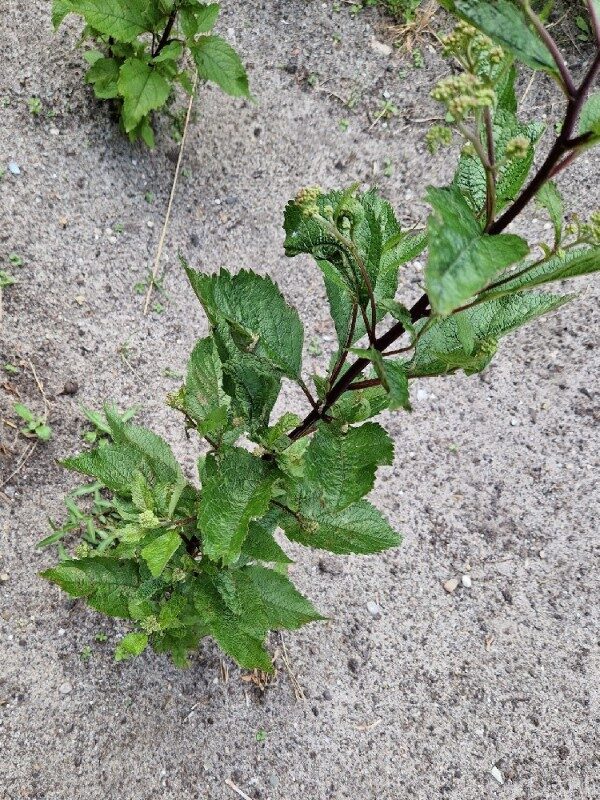
(c) Henry Parsons, some rights reserved (CC BY-NC)
iNaturalist· cc-by-nc
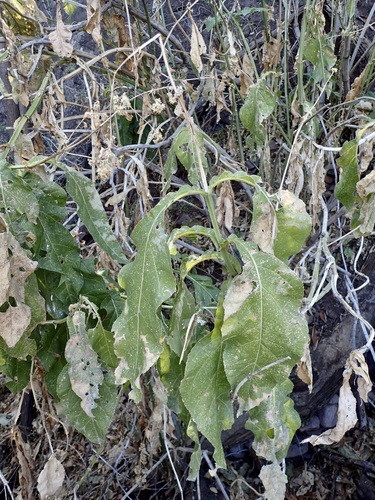
(c) Henry Parsons, some rights reserved (CC BY-NC)
Description
An annual herb in the Asteraceae family growing 60 cm high, found in fields and waste places across much of tropical Africa.
This description is brief — help expand it
Edible Uses
The leaves are eaten as a vegetable.
Traditional Uses
The leaves are eaten as a vegetable. Caution: They can be slightly purgative.
This uses section is brief — help expand it
Known Hazards
The leaves can be slightly purgative.
Distribution
A tropical plant. It grows in fields and waste places. It occurs across much of tropical Africa.
Where It Grows
Africa, Burkina Faso, East Africa, Gambia, Guinea, Guinée, Guinea-Bissau, Nigeria, Rwanda, Senegal, Sierra Leone, West Africa, Worldwide,
Synonyms
Also Known As
Bachigehi, Burzu, Dattal, Patotoro, Segini
References (7)
- Burkill, H. M., 1985, The useful plants of west tropical Africa, Vol. 1. Kew. (As Vernonia perrottetii)
- Grubben, G. J. H. and Denton, O. A. (eds), 2004, Plant Resources of Tropical Africa 2. Vegetables. PROTA, Wageningen, Netherlands. p 545 (As Vernonia perrottetii)
- Jardin, C., 1970, List of Foods Used In Africa, FAO Nutrition Information Document Series No 2.p 109 (As Vernonia perrottetii)
- Martin, F.W. & Ruberte, R.M., 1979, Edible Leaves of the Tropics. Antillian College Press, Mayaguez, Puerto Rico. p 186 (As Vernonia perrottetii)
- Repertorium botanices systematicae 2:947. 1843 (As Vernonia perrottetii)
Show all 7 references Hide references
- Terra, G.J.A., 1973, Tropical Vegetables. Communication 54e Royal Tropical Institute, Amsterdam, p 80 (As Vernonia perrottetii)
- Ucheck Fomum, F., 2004. Vernonia amygdalina Delile. [Internet] Record from Protabase. Grubben, G.J.H. & Denton, O.A. (Editors). PROTA (Plant Resources of Tropical Africa), Wageningen, Netherlands. < http://database.prota.org/search.htm>. Accessed 23 October 2009 (As Vernonia perrottetii)