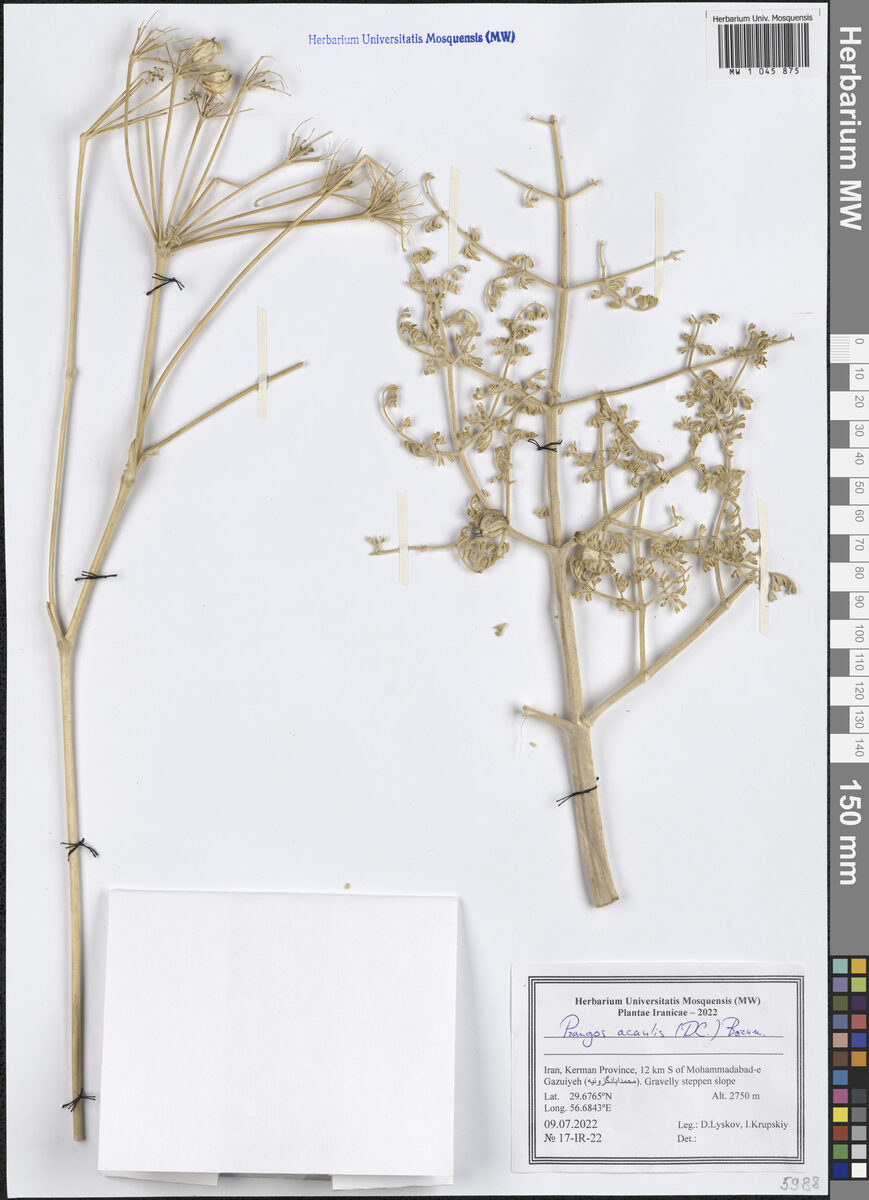
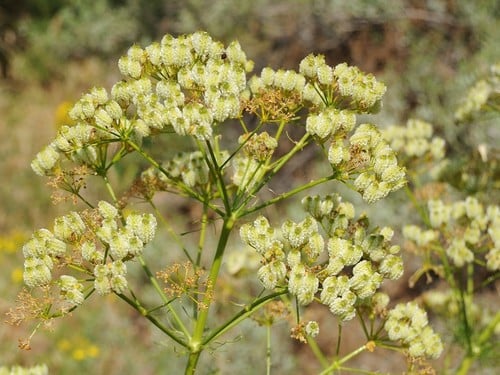
Ridolfia segetum
(L.) Moris
False caraway, Corn caraway
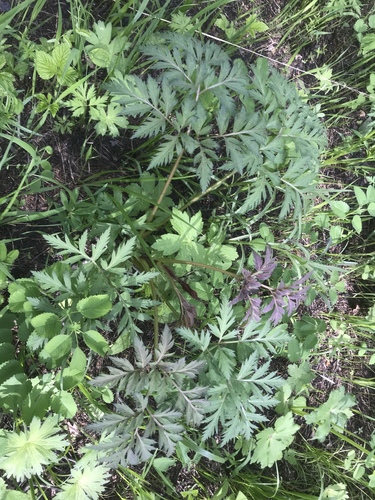
iNaturalist· cc-by-nc
(c) Ron Frumkin, some rights reserved (CC BY-NC), uploaded by Ron Frumkin
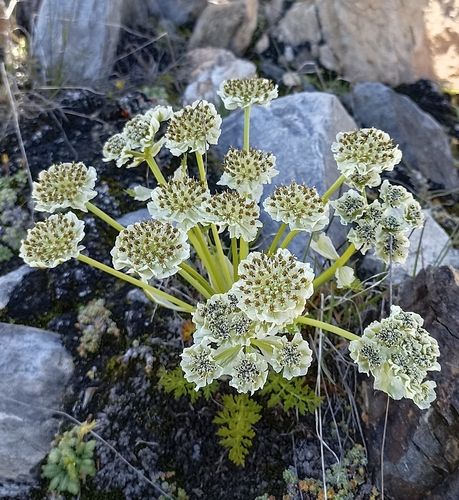
iNaturalist· cc-by-nc
(c) Josué Amoroso, some rights reserved (CC BY-NC), uploaded by Josué Amoroso
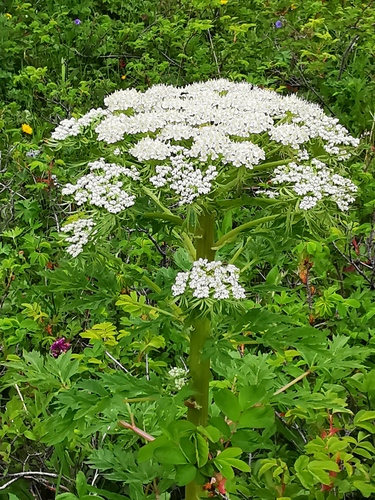
iNaturalist· cc-by-nc-nd
(c) Dmitry Savikovsky, some rights reserved (CC BY-NC-ND), uploaded by Dmitry Savikovsky
Description
A Mediterranean herb in the Apiaceae family that grows prostrate along the ground to about 1 m tall. It is used as a condiment and flavouring plant.
This description is brief — help expand it
Edible Uses
The leaves are eaten raw in salads or used in soups. Young stems are eaten raw. The leaves, stems, roots, and seeds are used as flavouring and spice.
Traditional Uses
It is used as a condiment or flavouring. The leaves are eaten raw in salads. They are also used in soups. The young stems are eaten raw.
This uses section is brief — help expand it
Distribution
It is a Mediterranean climate plant.
Where It Grows
Africa, Europe, Italy, Jordan, Libya, Mediterranean, Middle East, Morocco, North Africa, Sicily,
Synonyms
Also Known As
Finucciazzu, Shabat, Tabch, Tebch
References (13)
- Al-Qura'n, S. A., 2010, Ethnobotanical and Ecological Studies of Wild Edible Plants in Jordan. Libyan Agriculture Research Center Journal International 1(4):231-243
- Enum. sem. hort. taur. 43. 1841
- Facciola, S., 1998, Cornucopia 2: a Source Book of Edible Plants. Kampong Publications, p 21
- Geraci, A., et al, 2018, The wild taxa utilized as vegetables in Sicily (Italy): a traditional component of the Mediterranean diet. Journal of Ethnobiology and Ethnomedicine (2018) 14:14
- Ghanimi, R., et al, 2022, Ethnobotanical study on wild edible plants traditionally used by Messiwa people, Morocco. Journal of Ethnobiology and Ethnomedicine. 18:16
Show all 13 references Hide references
- Hedrick, U.P., 1919, (Ed.), Sturtevant's edible plants of the world. p 170 (As Carum segetum)
- Lentini, F. and Venza, F., 2007, Wild food plants of popular use in Sicily. J Ethnobiol Ethnomedicine. 3: 15
- Mahklouf, M. H., 2019, Ethnobotanical Study of Edible Wild Plants in Libya. European Journal of Ecology. 5(2): 30-40
- Nassif, F., & Tanji, A., 2013, Gathered food plants in Morocco: The long forgotten species in Ethnobotanical Research. Life Science Leaflets 3:17-54
- Pasta, S., et al, 2020, An Updated Checklist of the Sicilian Native Edible Plants: Preserving the Traditional Ecological Knowledge of Century-Old Agro-Pastoral Landscapes. Frontiers in Plant Science. Volume 11|Article 388
- Tanji, A and Nassif, F., 1995, Edible Weeds in Morocco. Weed Technology. Vol. 9, No. 3, pp. 617-620
- Tbatou, M, et al, 2016, Wild Edible Plants traditionally used in the countryside of El Jadida, Coastal Area in the Center of Morocco. Life Sciences Leaflets 75:28-48
- Tukan, S. K., et al, 1998, The use of wild edible plants in the Jordanian diet. International Journal of Food Sciences and Nutrition. 49:225-235