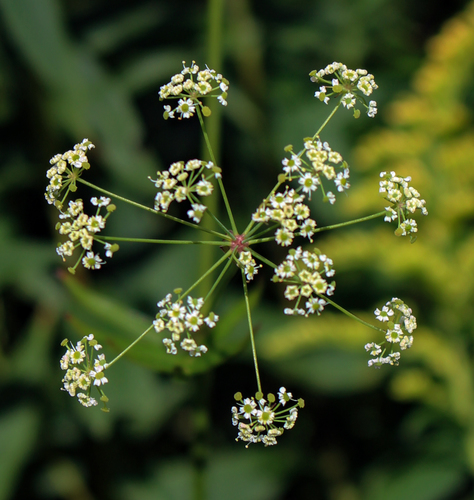
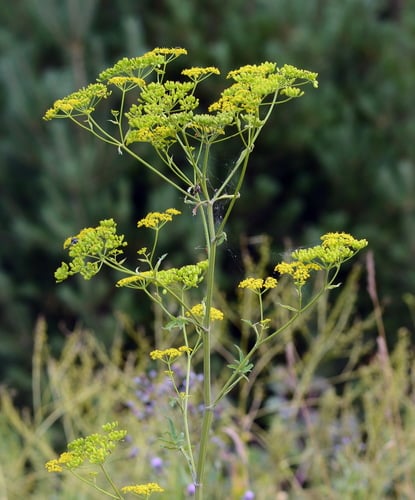
Lomatium californicum
(Nutt.) Mathias & Constance
Wild celery-parsley, California lomatium
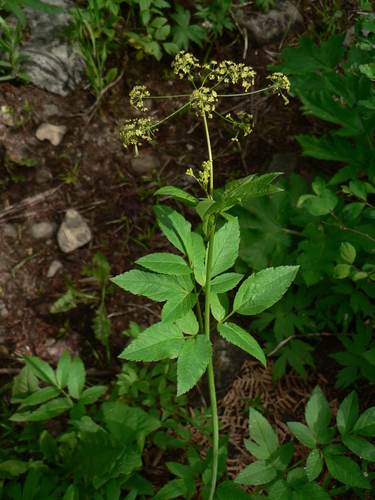
iNaturalist· cc-by
(c) Ken-ichi Ueda, some rights reserved (CC BY)
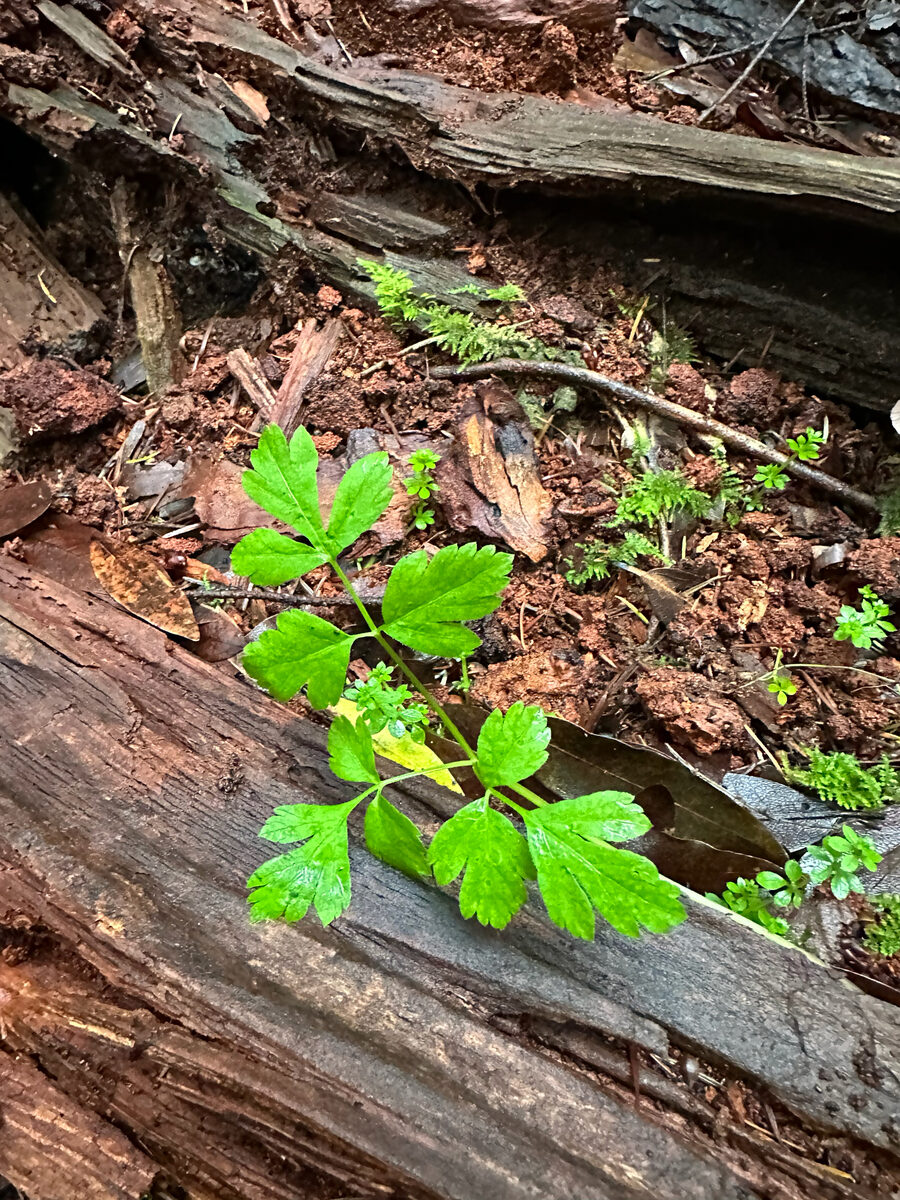
iNaturalist· cc-by-nc-sa
(c) randomtruth, some rights reserved (CC BY-NC-SA)
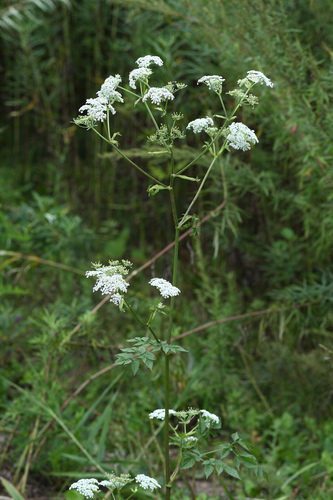
iNaturalist· cc-by
(c) Barbara Banfield, some rights reserved (CC BY), uploaded by Barbara Banfield
Summary
Source: WikipediaLomatium californicum is a species of plant related to the carrot and the parsnip which is known by the common names California rock parsnip, celery weed, and California lomatium. This plant is native to California and Oregon. It is found on mountains and hills, at elevations of 150–1,800 metres (490–5,910 ft).
Description
A temperate herbaceous plant in the carrot family (Apiaceae) with edible roots and leaves.
This description is brief — help expand it
Edible Uses
The roots and leaves (tops) are eaten raw, and the shoots are also cooked.
Traditional Uses
The roots and tops are eaten raw. The shoots are also cooked.
This uses section is brief — help expand it
Medicinal Uses
It is a traditional Native American food source and medicinal plant, with various parts of the plant used, including by the Kawaiisu, Yuki, and Yurok peoples. The Yuki chewed it while hunting to prevent deer from detecting human scents. The Chumash called it chuchupaste (lit. plant of great virtue) and used it to cure headaches and stomach pain.
Known Hazards
This is an endangered species.
Distribution
It is a temperate plant.
Where It Grows
North America, USA,
Notes
Caution: It is an endangered species.
Synonyms
References (4)
- Facciola, S., 1998, Cornucopia 2: a Source Book of Edible Plants. Kampong Publications, p 20
- Kermath, B. M., et al, 2014, Food Plants in the Americas: A survey of the domesticated, cultivated and wild plants used for Human food in North, Central and South America and the Caribbean. On line draft. p 495
- Lim, T. K., 2015, Edible Medicinal and Non Medicinal Plants. Volume 9, Modified Stems, Roots, Bulbs. Springer p 52
- Moerman, D. F., 2010, Native American Ethnobotany. Timber Press. p 313