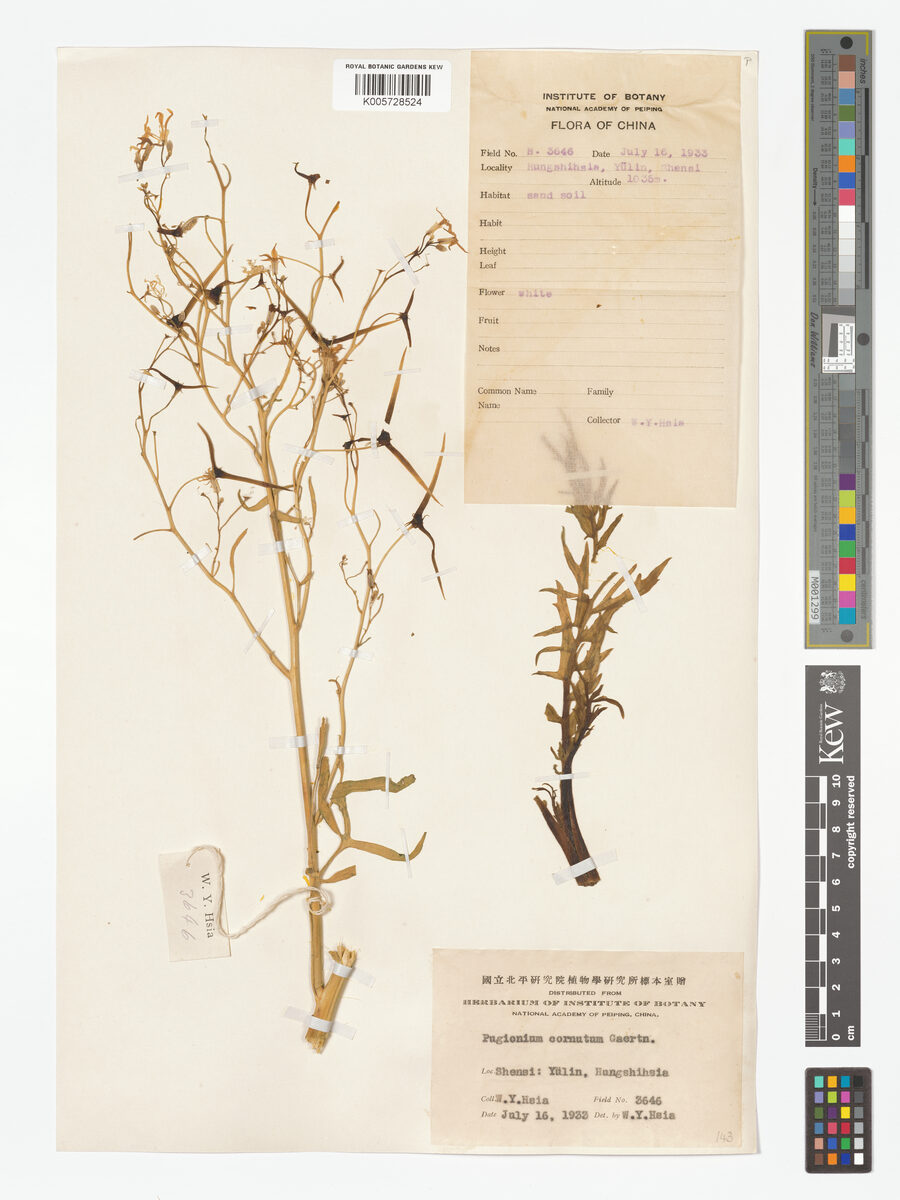
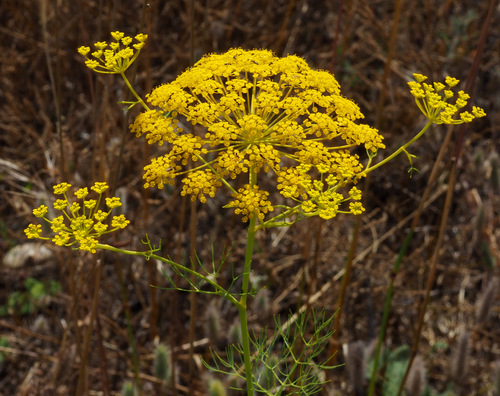
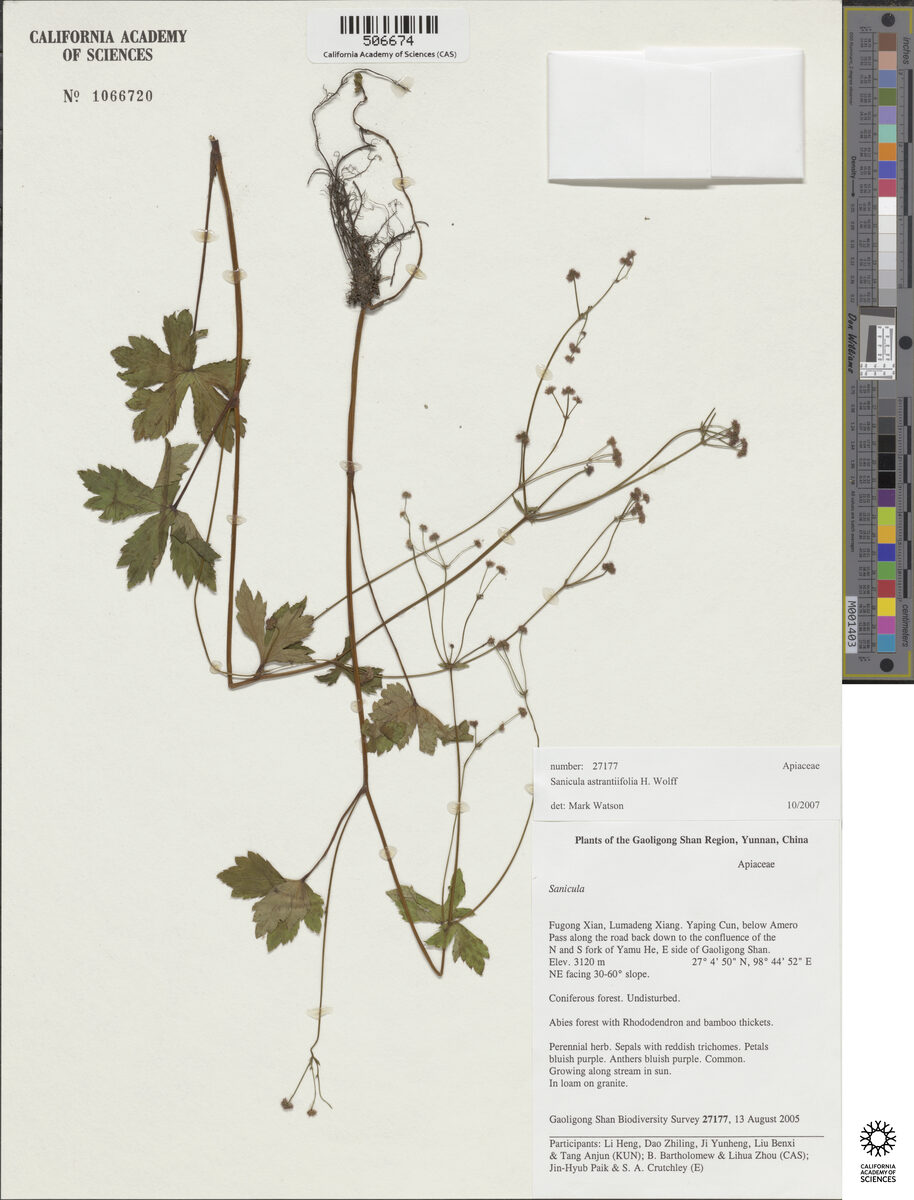
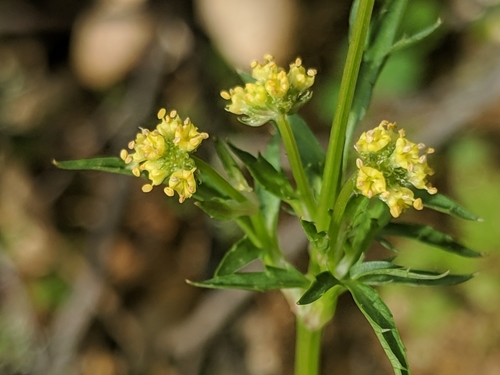
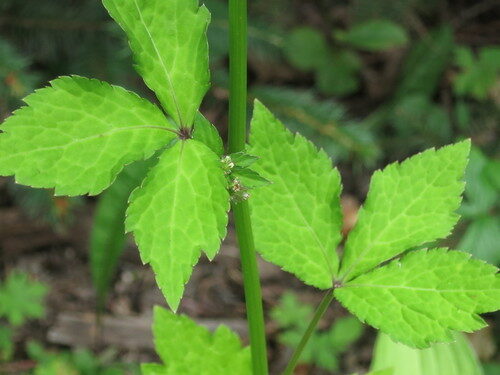
Ligusticum porteri
Coult. & Rose
Porter's licorice root
iNaturalist· cc-by-sa
(c) JerryFriedman, some rights reserved (CC BY-SA)
iNaturalist· cc-by-nc
(c) David Martin, some rights reserved (CC BY-NC), uploaded by David Martin
iNaturalist· cc-by-nc
(c) taday, some rights reserved (CC BY-NC), uploaded by taday
Summary
Source: WikipediaLigusticum porteri, also known as osha (pronounced OH-shuh) or Porter lovage, is a perennial herb found in parts of the Rocky Mountains and northern New Mexico, in the southwestern United States.
Description
A hermaphroditic perennial reaching 90cm tall with 60cm spread, hardy to UK zone 6. Self-fertile and insect-pollinated. Grows in light sandy, medium loamy, and heavy clay soils preferring well-drained conditions across mildly acidic to basic pH ranges. Requires full sun and tolerates both dry and moist soil.
Edible Uses
The leaves are used as a flavouring and serve as a celery substitute.
Medicinal Uses
The roots, seed, and essential oil derived from the roots and seed form a bitter, camphoraceous, warming herb that stimulates circulation, the kidneys, and the uterus. These preparations are antirheumatic, antispasmodic, diaphoretic, digestive, expectorant, febrifuge, and stomachic. Internally they are used to treat eruptive fevers, bronchial infections, digestive complaints, toothache, painful menstruation, retained placenta, TB, and headaches. An infusion of the roots is applied externally to relieve body aches. Roots are harvested in autumn and can be used fresh or dried.
Distribution
It is a temperate plant.
Where It Grows
North America, USA,
Cultivation
Succeeds in any well-drained soil in a sunny position. Succeeds in dry soils. Plants are hardy to at least -15°c.
Propagation
Sow seed as soon as it is ripe in a cold frame in autumn. Stored seed should be sown as early in the year as possible in a greenhouse or cold frame. Prick seedlings into individual pots when large enough to handle, then plant out in summer if sufficiently developed; otherwise overwinter in a cold frame and plant out in early summer. Division in spring.
Other Uses
None known.
References (1)
- Moerman, D. F., 2010, Native American Ethnobotany. Timber Press. p 305