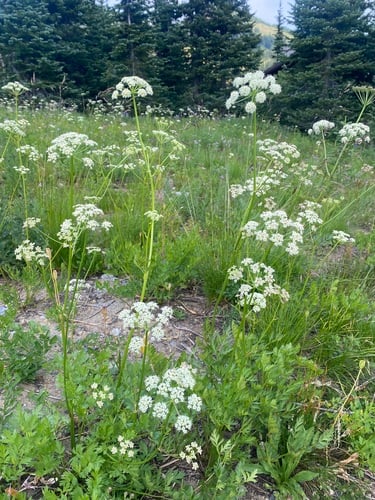
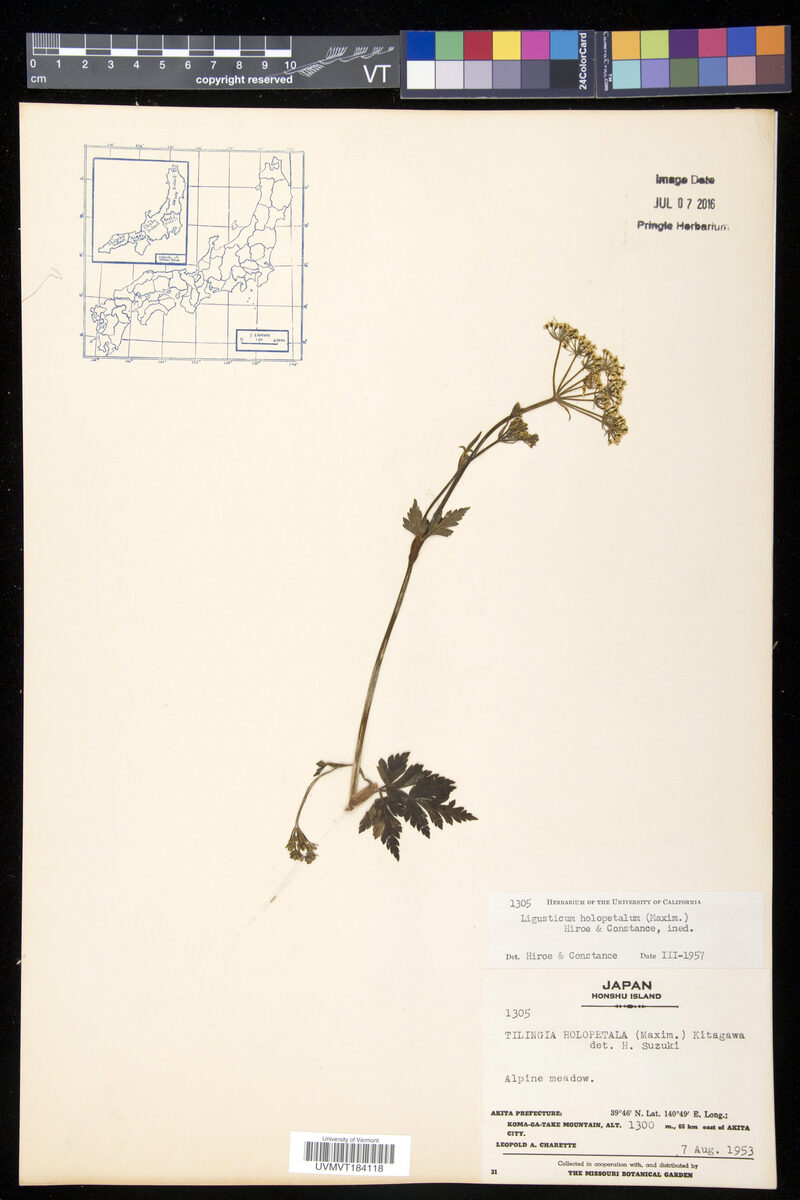
Ligusticum officinale
W. D. J. Koch
wikimedia· cc0
Wikimedia Commons - Johann Gottlieb Mann, digitized by Loyola University New Orleans
wikimedia· cc-by-sa
Wikimedia Commons - Alvesgaspar
Description
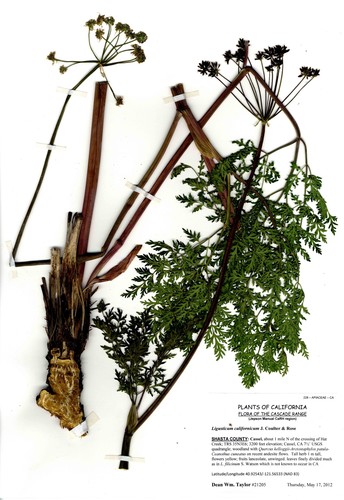
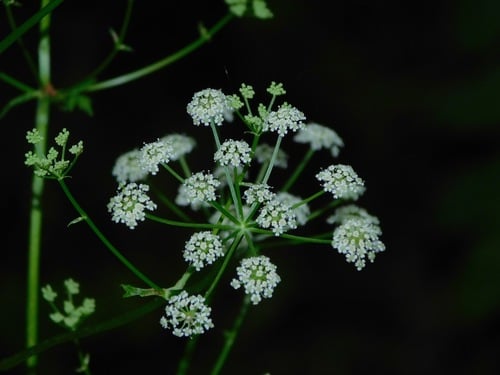
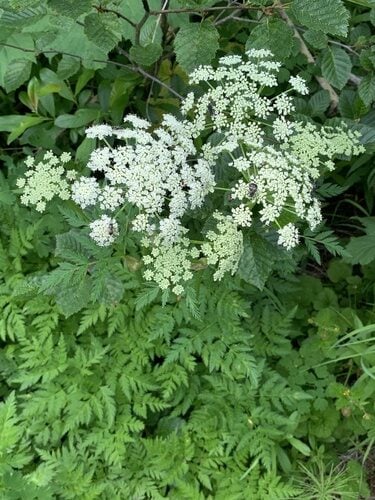
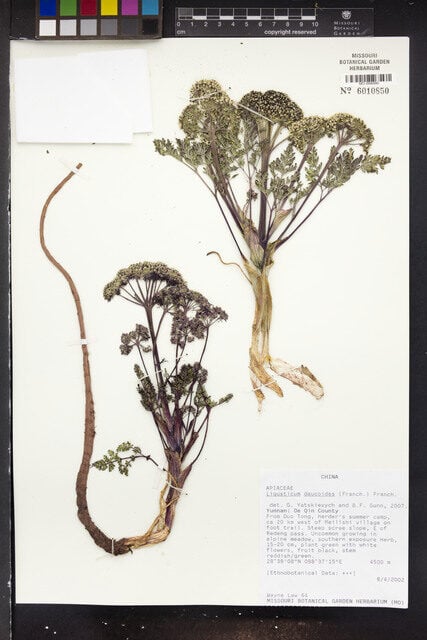
An herb in the carrot family (Apiaceae) found in temperate regions. The leaves and flowers are edible.
This description is brief — help expand it
Edible Uses
The leaves and flowers are eaten.
Medicinal Uses
Cnidium monnieri (L.) Cuss. is one of the most widely used traditional herbal medicines and its fruits have been used to treat a variety of diseases in China, Vietnam, and Japan. As of this writing, 350 compounds have been isolated and identified from C. monnieri, including the main active constituent, coumarins. In vitro and in vivo studies suggest that osthole and other coumarin compounds possess wide range of pharmacological properties effective in the treatment of disorders of the female genitalia, male impotence, frigidity, skin-related diseases, and that, in this context, they exhibit strong antipruritic, anti-allergic, antidermatophytic, antibacterial, antifungal, anti-osteoporotic effects. Although coumarins have been identified as the main active constituents responsible for the observed pharmacological effects, the molecular mechanisms of their actions are still unknown. A pro-erectile herb from traditional Chinese medicine, Cnidium monnieri and its main bioactive known as osthole appear to have mechanisms similar to Viagra in penile tissue and the hippocampus; the influence of Cnidium monnieri on testosterone and cognition remains unexplored. Cnidii Fructus has also been used in the treatment of lumbar pain. The fruit is known for its anti-inflammatory and analgesic properties, which can help alleviate discomfort in the lower back. Traditional preparations often involve combining Cnidii Fructus with other herbs to enhance its therapeutic effects. Bioactive compounds in Cnidii Fructus, such as osthol, contribute to its pain-relieving capabilities.
Distribution
It is a temperate plant.
Where It Grows
Asia, China, Europe, Korea, Norway, Scandinavia,
Synonyms
Also Known As
Gaoben, Lopstikke
References (3)
- Girard, N. J., 2020, Sustainable Foraging of Wild Edible Plants in Norway. A Bioculutral Approach. M. Sc. thesis Norwegian University. p 127
- Kang, Y., et al, 2012, Wild food plants and wild edible fungi in two valleys on the Qinling Mountains (Shaanxi, central China) Journal of Ethnobiology and Ethnomedicine; 9:26 (As Ligusticum levisticum)
- Lee, S., et al, 2016, Herbal preparation (HemoHIM) enhanced functional maturation of bone marrow-derived dendritic cells mediated toll-like receptor 4. Complementary and Alternative Medicine. 16:67 (As Cnidium officinale)