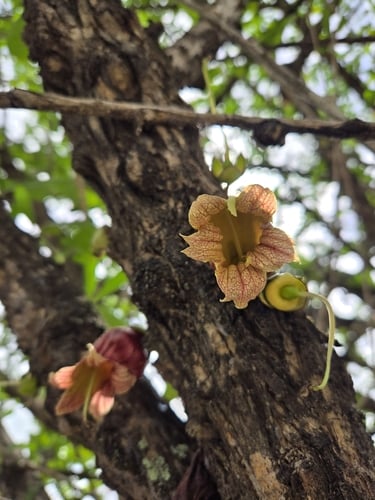
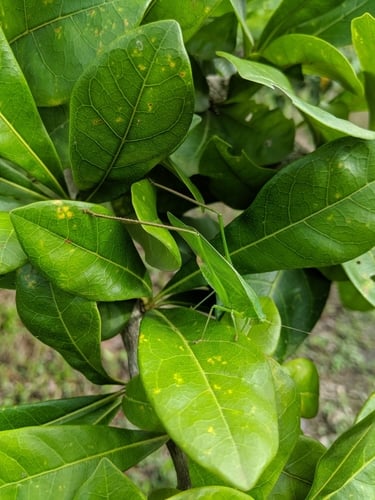
Handroanthus impetiginosus
(Mart. ex A. P. de Candolle) Mattos
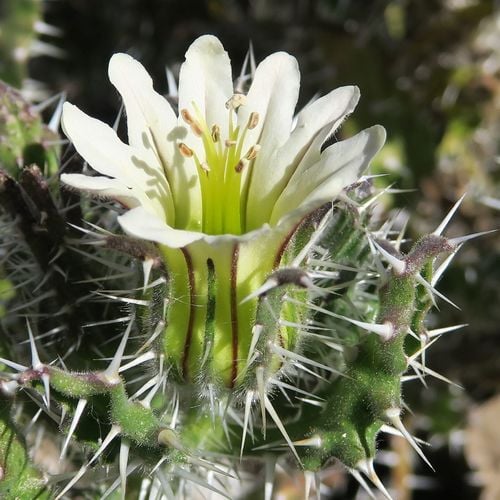
iNaturalist· cc-by-nc-nd
(c) sea-kangaroo, some rights reserved (CC BY-NC-ND), uploaded by sea-kangaroo
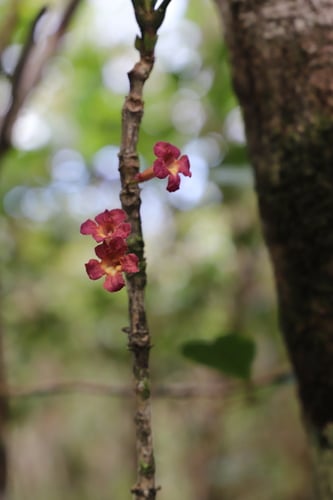
iNaturalist· cc-by-nc
(c) Lucas Leuzinger, some rights reserved (CC BY-NC)
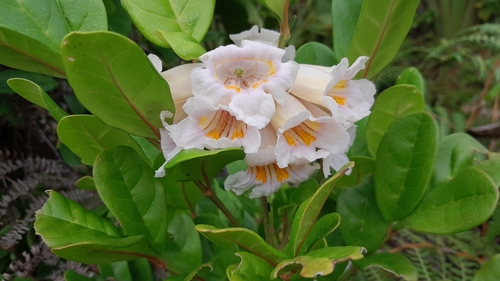
iNaturalist· cc-by-nc
(c) Centinelas del Tiempo, some rights reserved (CC BY-NC)
Summary
Source: WikipediaHandroanthus impetiginosus, the pink ipê, pink lapacho, pink trumpet tree or macuelizo enano, is a tree in the family Bignoniaceae, distributed throughout North, Central and South America, from northern Mexico south to northern Argentina. Along with all the other species in the Handroanthus genus, it is the national tree of Paraguay.
Description
A large tree. It grows 8-12 m in open places and 20-30 m in forests. The trunk is 60-90 cm across. The leaves are compound. They have 5 leaflets. These are hairy in both sides. The leaves are 9-18 cm long and 4-10 cm wide.
Edible Uses
A tea made from the inner bark is widely used as a tonic.
Traditional Uses
The inner bark is used as a food supplement and brewed into a tea. Caution: It is poisonous.
This uses section is brief — help expand it
Medicinal Uses
The wood and inner bark form a bitter, cooling, pungent herb that lowers fever and reduces inflammation. The heartwood contains a naphthaquinone called lapachol, which has demonstrated antibiotic and antitumor effects. Pau d'arco has long been prized by many native South American peoples as a cure-all, used to treat wounds, fevers, dysentery, intestinal inflammation, and snake bites. In modern herbalism, the bark is used internally for inflammatory and chronic degenerative diseases, cancers, tumours, cysts, fungal infections (especially candidiasis), venereal diseases, rheumatic diseases, and skin conditions including eczema, herpes, and scabies. It is also used in combination with other herbs to clear toxins, resolve congestion, and strengthen the immune system. The wood is harvested as needed and dried for later use.
Known Hazards
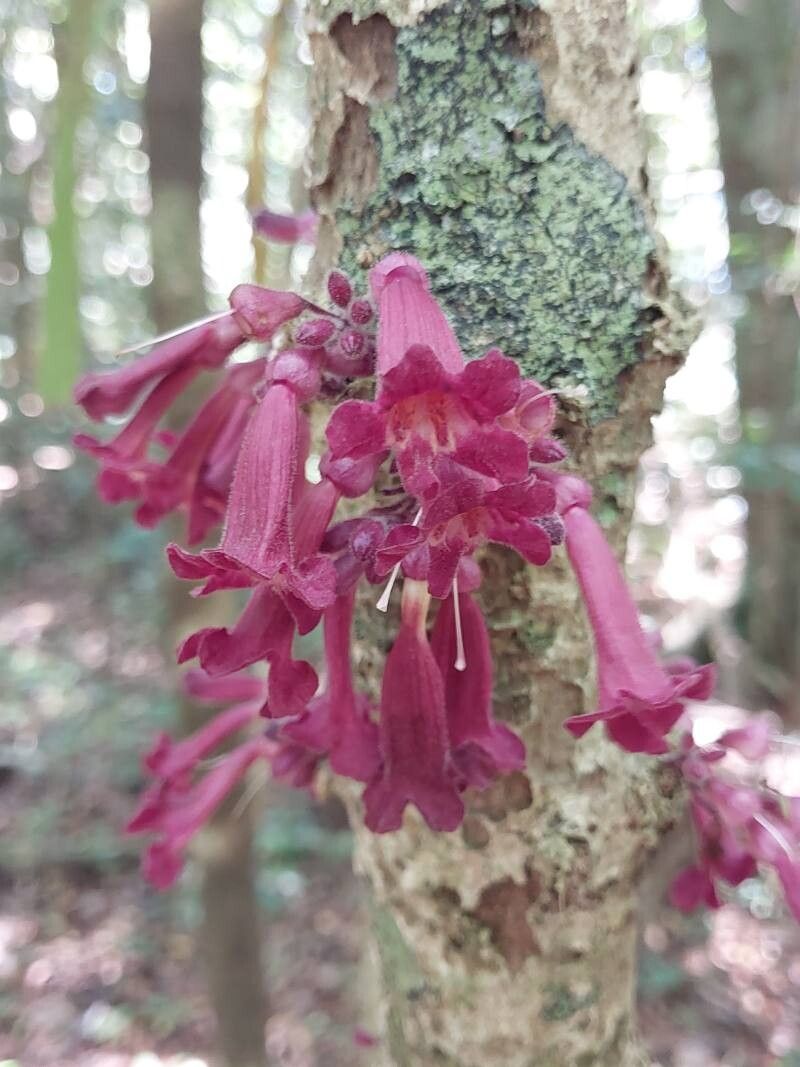
It is used as a honey plant, and widely planted as an ornamental tree in landscaping gardens, public squares and boulevards due to its impressive and colorful appearance as it flowers. Well-known and popular, it is the national tree of Paraguay. It is also planted as a street tree in cities of India, like in Bengaluru. The inner bark is used in traditional medicine. It is dried, shredded, and then boiled, making a bitter brownish-colored tea known as lapacho or taheebo. The unpleasant taste of the extract is lessened when taken in pill form, or as tinctures. Lapacho bark is typically used during flu and cold season and for easing smoker's cough. It is claimed to work by promoting the lungs to expectorate and free deeply embedded mucus and contaminants during the first three to ten days of treatment. In ethnomedicine, lapacho plays an important role for several South American indigenous people. In the past decades it has been used by herbalists as a general tonic, immunostimulant, and adaptogen. It is used in herbal medicine for intestinal candidiasis. However, the main active compound lapachol has since turned out to be toxic enough to kill fetuses in pregnant rats and reduce the weight of the seminal vesicle in male rats in doses of 100 mg/kg of body weight. Still, lapachol has strong antibiotic and disinfectant properties, and may be better suited for topical applications. Lapachol induces genetic damage, specifically clastogenic effects, in rats. Beta-lapachone has a direct cytotoxic effect and the loss of telomerase activity in leukemia cells in vitro. The ethnomedical use of lapacho and other Handroanthus teas is usually short-term, to get rid of acute ailments, and not as a general tonic. Usefulness as a short-term antimicrobial and disinfecting expectorant, e.g. against PCP in AIDS patients, is yet to be scientifically studied. Handroanthus impetiginosus inner bark seems to have anti-Helicobacter pylori activity. and has some effects on other human intestinal bacteria.
Distribution
It is a tropical plant. It grows in the rainforest in the Amazon. Once well established it can tolerate dry conditions. In Brisbane Botanical Gardens. In Townsville palmetum.
Where It Grows
Argentina, Australia, Brazil, Burkina Faso, Guiana, Guianas, Hawaii, Pacific, South America, Suriname, USA, Venezuela,
Cultivation
The fruit when ripe are harvested from the tree then left in the sun to open and release the seeds. Seeds can be stored only for 3 months. Seed should be sown fresh and germinate in 10-12 days. Seedlings can be transplanted into the field in months.
Propagation
Sow seed as soon as it is ripe in a nursery seedbed or individual containers. Germination rates are usually high, occurring within 10–12 days. Seedlings grow quickly and are typically ready to plant out in under 4 months. Propagation is also possible by air layering, half-ripe wood cuttings, herbaceous stem cuttings, softwood cuttings, and semi-hardwood cuttings. For seed collection, allow pods to dry on the plant before breaking them open to extract the seed.
Other Uses
The heartwood ranges from greenish to yellowish-brown, with a yellowish sapwood, medium texture, interlocked grain, and medium lustre. The timber, known as lapacho, is very heavy and durable, particularly when not in contact with soil, and is highly valued for cabinet making. It is also used for railway ties, telegraph poles, interior finishes, parquet flooring, sports items such as wooden balls, and musical instruments. Most Handroanthus species, almost certainly including this one, produce a timber known as Ipe. Ipe heartwood is yellowish-brown to dark olive-brown, sometimes with thin veins, clearly demarcated from a sapwood band 3–9 cm wide. The grain is interlocked and the texture usually fine, though medium in some species; the wood contains canals with a greenish-yellow deposit of lapachol. It is very heavy, very hard, elastic, and highly durable even in contact with soil, resisting fungi, dry wood borers, and termites. It seasons slowly but with low risk of checking or distortion, and is moderately stable once dry. It has a fairly high blunting effect on tools, making stellite-tipped or tungsten carbide tools advisable; interlocked grain can cause some working difficulties; filling is recommended before finishing; nailing and screwing require pre-boring; gluing is suitable for internal use only and requires care due to the wood's density. Its applications include high-class furniture, cabinet work, heavy construction, railway sleepers, bridges, hydraulic works, industrial flooring, posts and poles, turnery, musical instruments, tool handles, and veneer.
Production
Plants grow quickly. They can be 3.5 m high in 2 years.
Notes
There are about 100 Tabebuia species.
Synonyms
Also Known As
Ipe roxo, Lapacho, Pau d'arco, Taheebo
References (7)
- Facciola, S., 1998, Cornucopia 2: a Source Book of Edible Plants. Kampong Publications, p 49 (As Tabebuia impetiginosa)
- Field Mus. Nat. Hist., Bot. Ser. 11:176. 1936 (As Tabebuia impetiginosa)
- Heywood, V.H., Brummitt, R.K., Culham, A., and Seberg, O. 2007, Flowering Plant Families of the World. Royal Botanical Gardens, Kew. p 64 (As Tabebuia impetiginosa)
- Kinupp, V. F., 2007, Plantas alimenticias nao-convencionais da regiao metropolitana de Porto Alegre, RS, Brazil p 69
- Lorenzi, H., 2002, Brazilian Trees. A Guide to the Identification and Cultivation of Brazilian Native Trees. Vol. 01 Nova Odessa, SP, Instituto Plantarum p 66 (As Tabebuia impetiginosa)
Show all 7 references Hide references
- Shanley, P. et al, (Eds), 2011, Fruit trees and useful plants in Amazonian life. Non-wood Forest Products No 20. FAO, CIFOR and PPI. p 81 (As Tabebuia impetiginosa)
- Staples, G.W. and Herbst, D.R., 2005, A tropical Garden Flora. Bishop Museum Press, Honolulu, Hawaii. p 186 (Drawing) (As Tabebuia impetiginosa)