Cydista aequinoctialis
(L.) Miers
Garlic vine
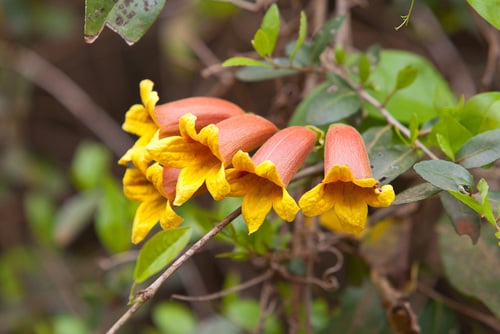
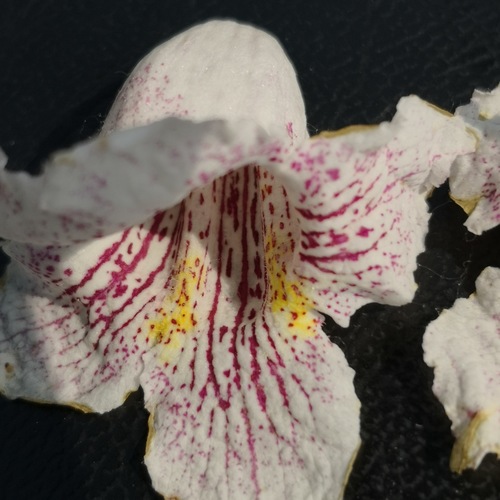
iNaturalist· cc-by-nc
(c) Juan Gabriel, some rights reserved (CC BY-NC)
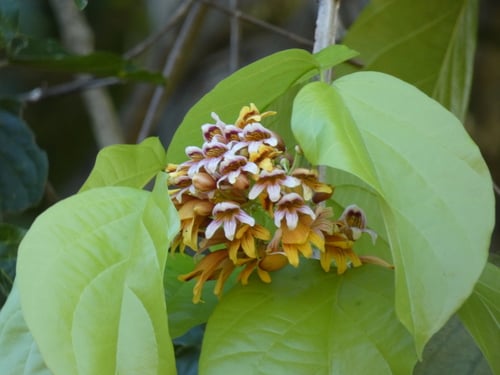
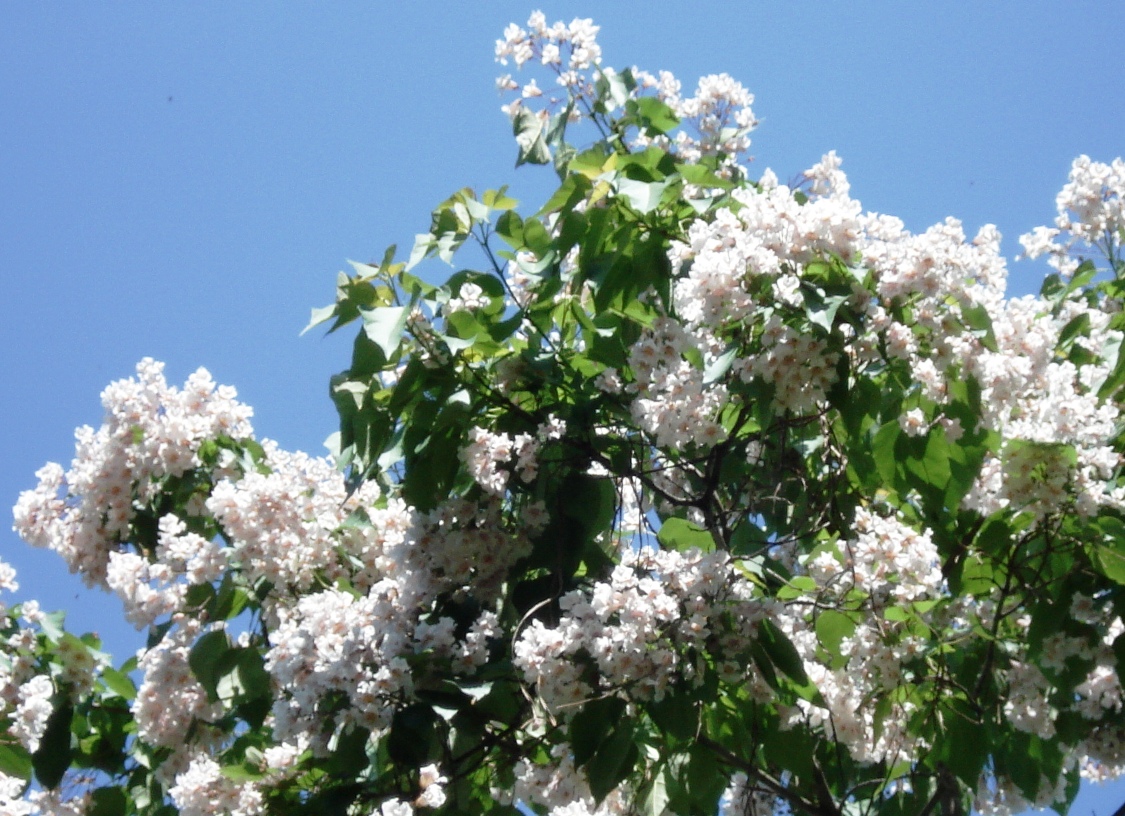
iNaturalist· cc-by-nc
(c) Juan Gabriel, some rights reserved (CC BY-NC)
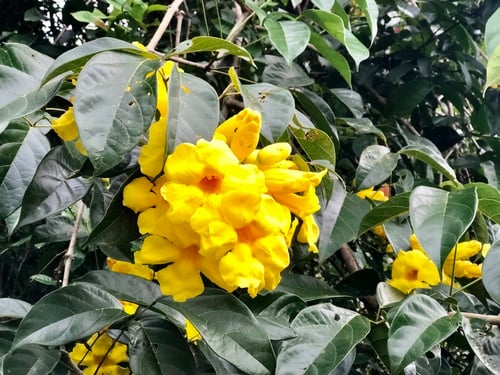
iNaturalist· cc-by-nc
(c) leprendre, some rights reserved (CC BY-NC)
Description
A woody vine. It grows 4-5 m long. The leaves are opposite and dark green. They have 2 leaflets. The plant has tendrils. The flowers are funnel shaped.
Edible Uses
The sap is consumed.
Medicinal Uses
It is used as medicine.
Distribution
It is a tropical plant.
Where It Grows
Asia, Caribbean, Central America, Cuba, Dominica, Dominican Republic, Ecuador, Guiana, Guianas, Guyana, Haiti, Indochina, Indonesia, Lesser Antilles*, Mexico, Myanmar, Puerto Rico, SE Asia, South America, Suriname, Thailand, USA, Venezuela, West Indies*,
Cultivation
It can be grown from seeds, cuttings or layering.
Notes
It was used for some purpose amongst the Maya. It is used as medicine.
Synonyms
Also Known As
Bawang putih rambat, Bejuco de agua, Kyetthun-hpyu-nwe, Nwe-pay, Pascuenque
References (5)
- Anderson, E. F., 1993, Plants and people of the Golden Triangle. Dioscorides Press. p 208
- http://research.famsi.org/botanyworking_plant_list.php
- Penafield Anchundia, D. D., 2017, Traditional food consumption and its nutritional contribution in Guasaganda, Central Ecuador. PhD Ghent University p 71
- Plants of Haiti Smithsonian Institute http://botany.si.edu
- Sukarya, D. G., (Ed.) 2013, 3,500 Plant Species of the Botanic Gardens of Indonesia. LIPI p 916