Dolichandrone atrovirens
(B. Heyne ex Roth) K. Schum.
Temple flower, Wavy trumpet flower
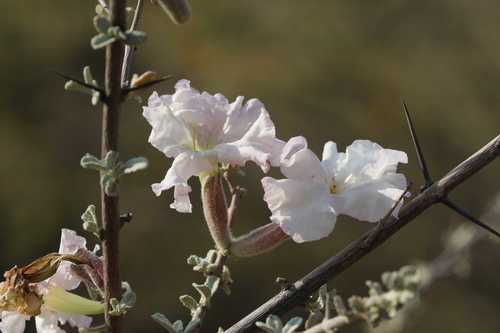
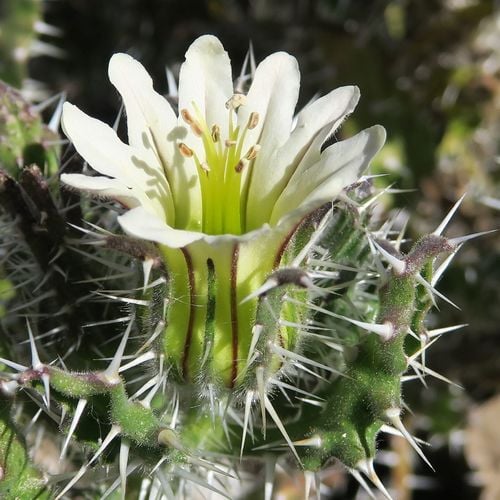
iNaturalist· cc-by
(c) Siddarth Machado, some rights reserved (CC BY), uploaded by Siddarth Machado
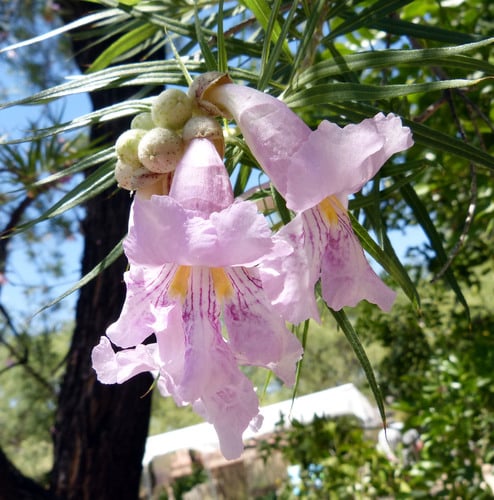
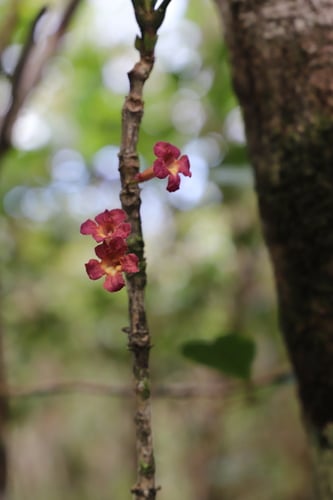
iNaturalist· cc-by
(c) Siddarth Machado, some rights reserved (CC BY), uploaded by Siddarth Machado
Summary
Source: WikipediaDolichandrone atrovirens, also known as wavy trumpet flower, is a deciduous tree in the family Bignoniaceae. It is endemic to the Indian subcontinent.
Description
A small tree. It grows 2-5 m tall. It loses its leaves during the year. The young branches are hairy. The leaves are glossy and on drooping boughs. The leaves are compound and 10 cm long. There are leaflets along the stalk. There are 5-7 leaflets. The leaflets are 4 cm long. The flowers are white and large. They are in groups in the axils of leaves. The flowers are 5 cm long and 1 cm wide. The fruit is a capsule 25 cm long. It is brown and ribbed. The seeds have wings.
Edible Uses
The young fruit and flowers are eaten as vegetables.
Traditional Uses
The young fruit and flowers are eaten as a vegetable.
This uses section is brief — help expand it
Distribution
It is a tropical plant. It grows up to 1,000 m above sea level.
Where It Grows
Asia, India, Myanmar, SE Asia,
Notes
There are about 9 Dolichandrone species. They grow in coastal mangrove swamps.
Synonyms
Also Known As
Belundara, Belundare, Chithodi, Good murki, Iruvoddi, Oddi, Pumpadiri, Perudi, Thakut, Vadi, Vankaniroddi, Vattalappu
References (2)
- Barwick, M., 2004, Tropical and Subtropical Trees. A Worldwide Encyclopedic Guide. Thames and Hudson p 153
- Bull. Misc. Inform. Kew 1919:307. 1919