Planchonella duclitan
(Blanco) Bakh.f.
iNaturalist· cc-by-nc
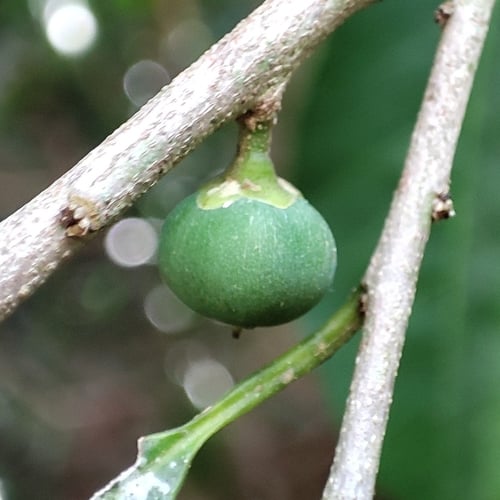
(c) BunnyTailGra22 | 兔尾草, some rights reserved (CC BY-NC), uploaded by BunnyTailGra22 | 兔尾草
iNaturalist· cc-by-nc
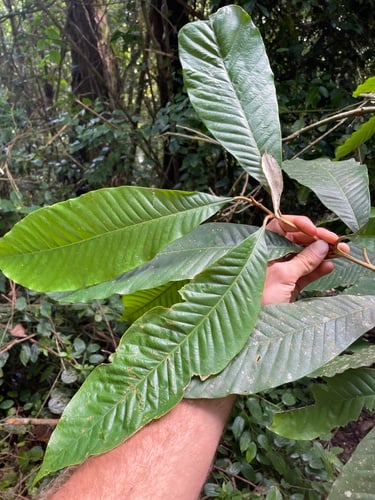
(c) CliffChen, some rights reserved (CC BY-NC)
Summary
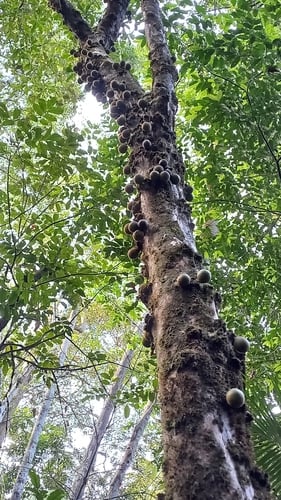
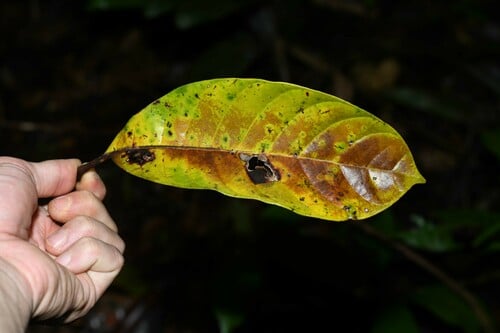
Source: WikipediaPlanchonella duclitan is a species of plant in the family Sapotaceae. This tree can reach up to a height of 40 meters, presenting glossy leaves and orange fruit. It is common on Christmas Island, dominating up to 20% of the upper leaf canopy, as a tree to 30 meters, in established forest or around 40% in regenerating habitat where it may attain the maximum height. The species has been described as Planchonella nitida (Blume) Dubard, later regarded as a synonym for this treatment. The tree is used as a nest site by Abbott's booby, a sea-bird species Papasula abbotti, and its fruit and flowers provide food for the fruit bat Pteropus natalis.
Description
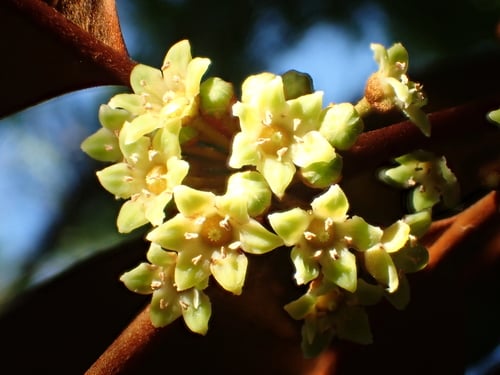
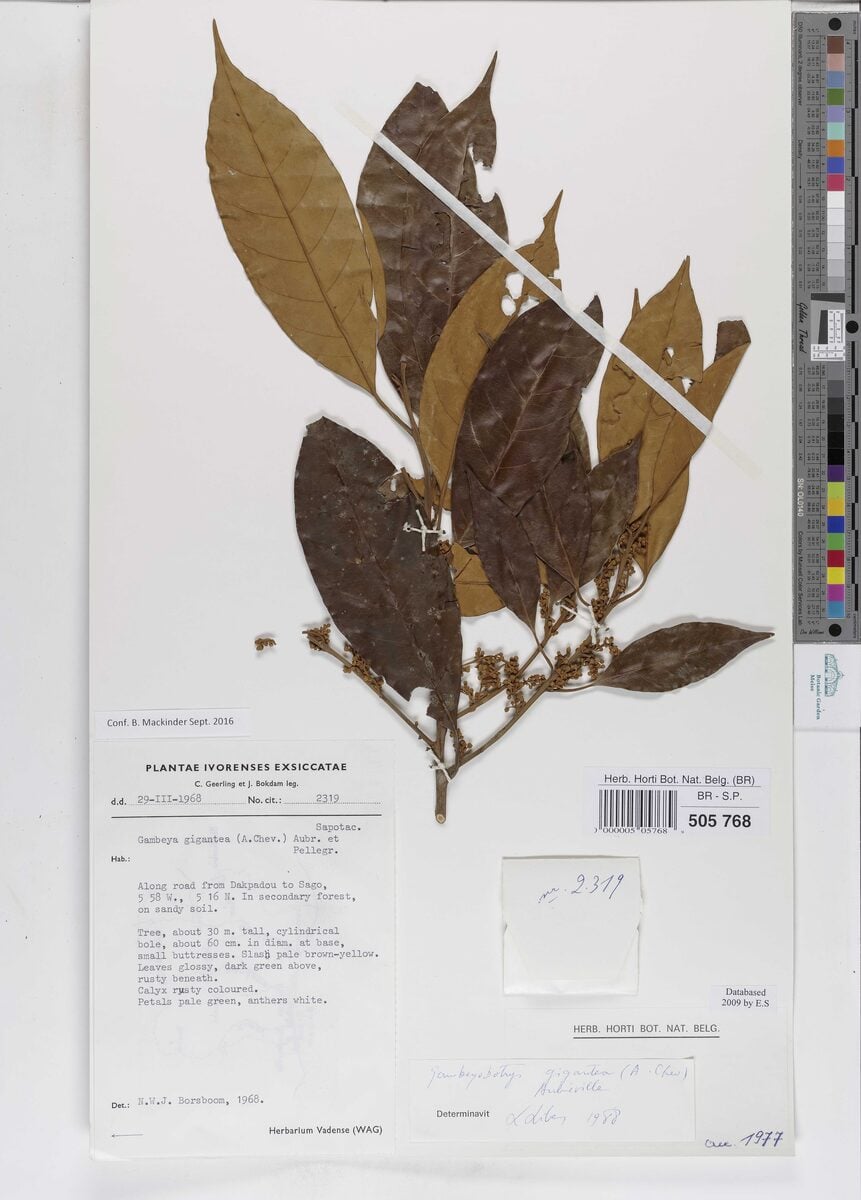
A large evergreen tree. It grows 40 m tall. The young branches are pale yellow with a white coating. The leaves are papery and narrowly oval. They are 10-24 cm long by 6-12 cm wide. They narrow to the base. The flowers are in groups of 8-10 in the axils of leaves. The flowers are small and 5 mm across. They are yellow to pale green. The fruit are oval and 3-5 cm long by 1.5 cm wide. They are dark red-purple when ripe. There is one seed. It is brown.
Edible Uses
The fruit is eaten.
Distribution
A tropical plant. It grows in the lowlands in forests.
Where It Grows
Asia, Christmas Island, Indonesia, Malesia, New Guinea, Pacific, Philippines, SE Asia, Taiwan,
Synonyms
Also Known As
Gelam
References (3)
- Coronel, R.E., 1982, Fruit Collections in the Philippines. IBPGR Newsletter p 10 (As Pouteria duclitan)
- Hariyadi, B., 2008, The Entwined Tree: Traditional Natural Resource Management of Serampas, Jambi, Indonesia. Ph. D thesis. Univ. or Hawaii. p 402 (As Planchonella nitida)
- Triono, T., et al, 2007, A phylogeny of Pouteria (Sapotaceae) from Malesia and Australasia. Australian. Systematic Botany. 20:107-118 (As Pouteria duclitan)