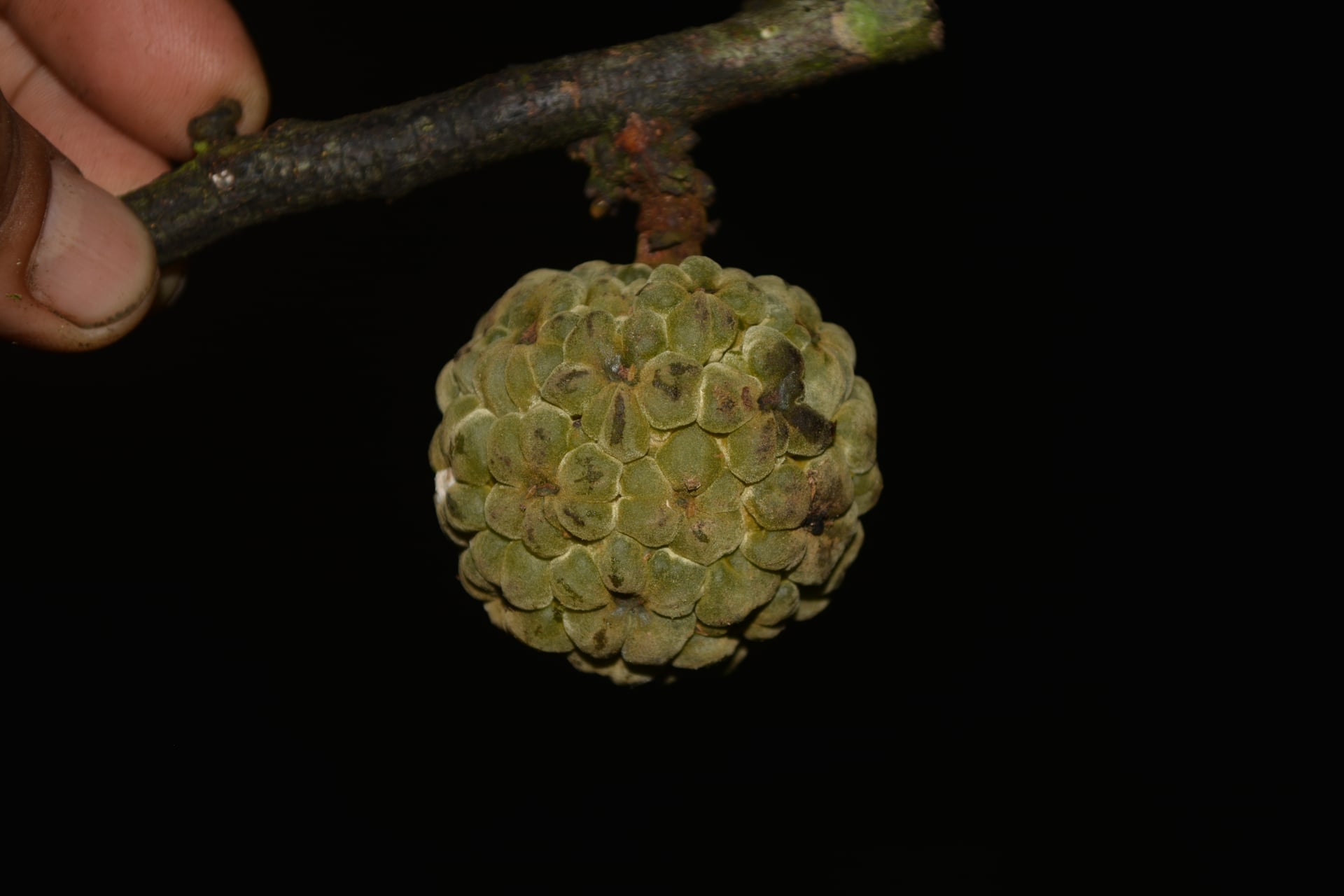
Annona spinescens
Mart.
Alagadisso, Spiny annona
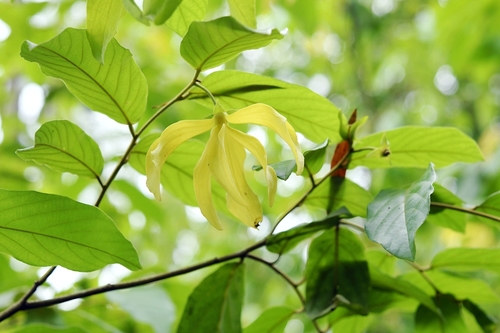
iNaturalist· cc-by-nc
(c) Emma Walker, some rights reserved (CC BY-NC)
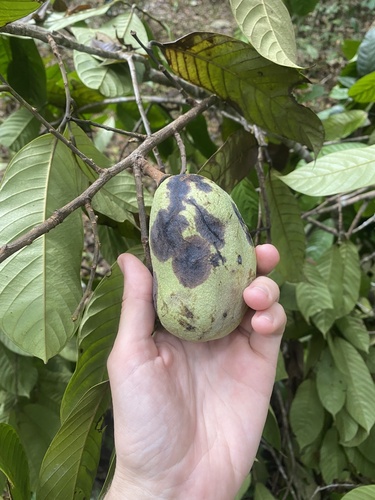
iNaturalist· cc-by-nc
(c) Emma Walker, some rights reserved (CC BY-NC)
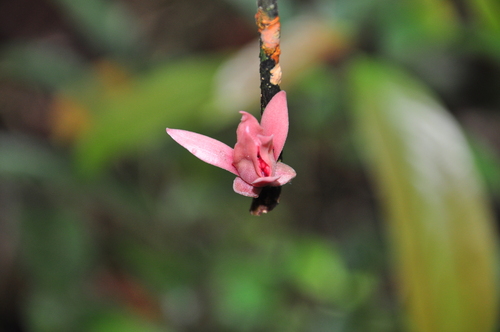
iNaturalist· cc-by-nc
(c) Paulo Robson de Souza, some rights reserved (CC BY-NC)
Description
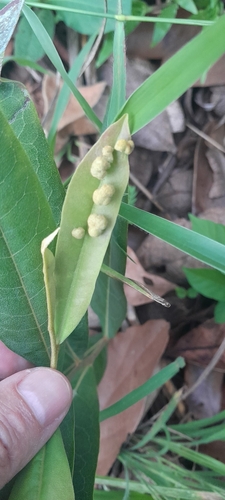
A spiny shrub. It grows 4 m high. The leaves are smooth and leathery. The fruit are often in pairs. The petals have a red spot inside. The fruit are oval and orange-red. They are 8 cm long. The seeds are pale green or black.
Edible Uses
The fruit pulp is eaten raw.
Traditional Uses
The fruit pulp is eaten raw.
This uses section is brief — help expand it
Distribution
A tropical plant. It grows on marshy land at about 300 m above sea level.
Where It Grows
America, Asia, Brazil*, Pacific, Paraguay, Philippines, SE Asia, South America,
Cultivation
Annona spinescens is a plant of the 'Caatinga' dry forest region of northeast Brazil. The climate is hot and dry, there are usually 6 to 11 months without rain each year. The mean annual rainfall varies from 250 - 1,000mm, and the mean annual temperature is from 24 - 26°c.
Other Uses
A bushy shrub with compact form and stout spines. It may be of value as a hedge plant.
Synonyms
References (8)
- Bircher, A. G. & Bircher, W. H., 2000, Encyclopedia of Fruit Trees and Edible Flowering Plants in Egypt and the Subtropics. AUC Press. p 32
- Coronel, R.E., 1982, Fruit Collections in the Philippines. IBPGR Newsletter p 9
- Fouqué, A. 1972. Espèces fruitières d'Amérique tropicale. Institut français de recherches fruitierès outre-mer (ifac)
- Grandtner, M. M. & Chevrette, J., 2013, Dictionary of Trees, Volume 2: South America: Nomenclature, Taxonomy and Ecology. Academic Press p 40
- J. B. v. Spix & Martius, Reise Bras. 2:555. 1828
Show all 8 references Hide references
- Maas, P. J. M. et al. 1994. Studies in Annonaceae. XXI. Index to species and infraspecific taxa of neotropical Annonaceae. Candollea 49:408.
- Maas, P.J. M., et al, 2001, Annonaceae from Central-eastern Brazil. Rodriguesia 52(80): 65-98
- World Checklist of Useful Plant Species 2020. Royal Botanic Gardens, Kew