Xylopia parvifolia
(Wt.) Hook.f. & Thoms.
wikimedia· cc0
Wikimedia Commons - Govindoo
wikimedia· cc0
Wikimedia Commons - Beddome, R. H.; Bentham, George
gbif· cc-by-sa
nicoplant
Description
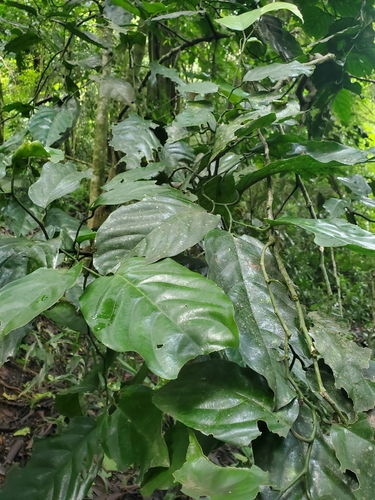
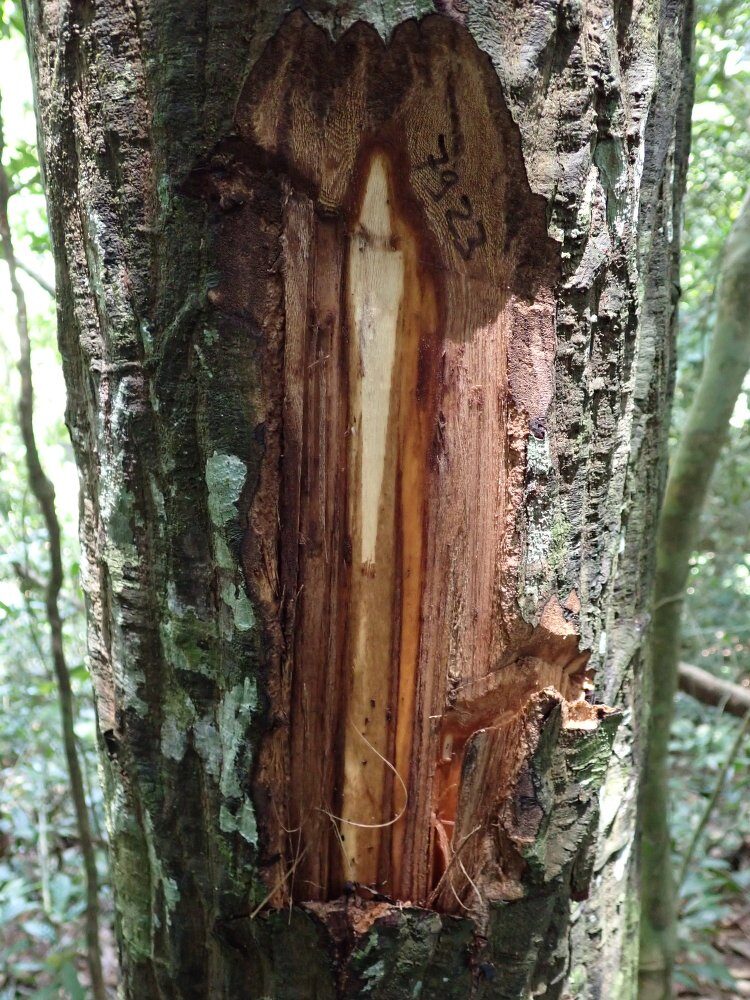
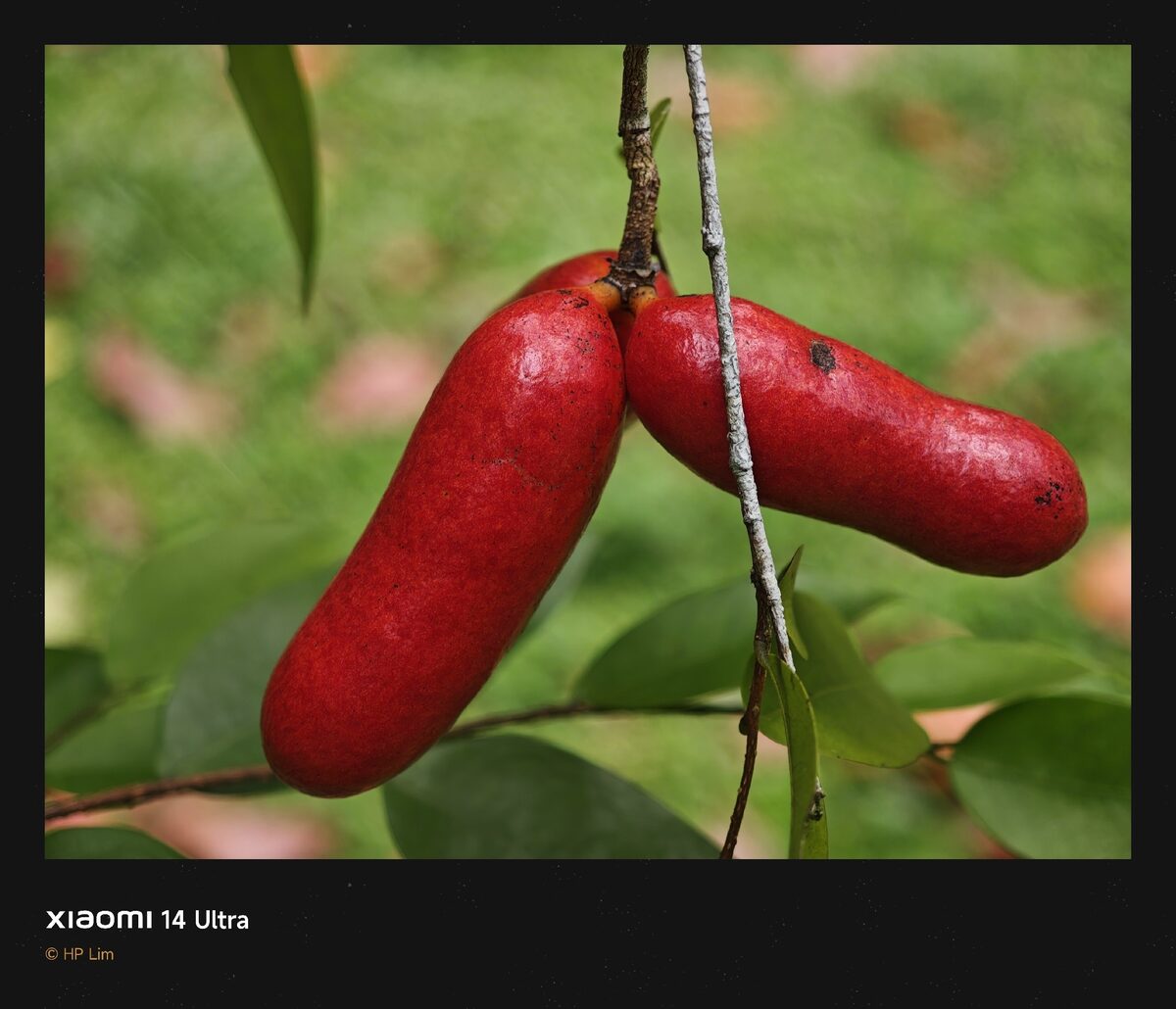
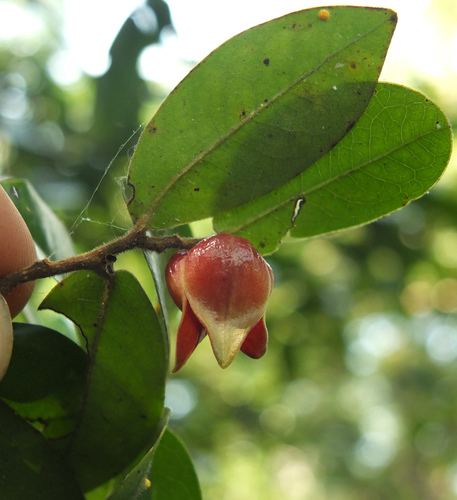
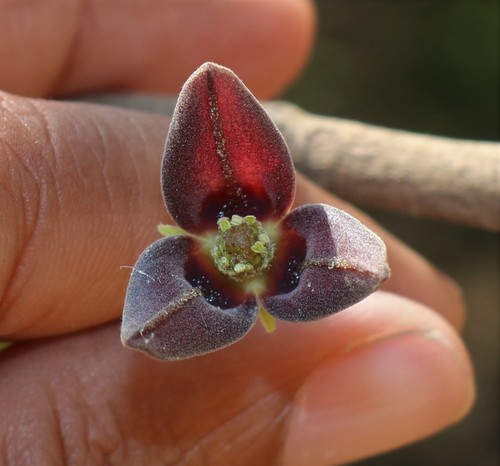
A tree. It grows 25 m tall. The trunk has buttresses. The bark is thin and smooth. The leaves are simple and alternate. They are in 2 rows. The leaf blade is 7-9 cm long by 3-4 cm wide. The flowers are in clusters in the axils of leaves. The petals are brown. The fruit is a cluster of seeded berries. They are oval and 3 cm logn by 2 cm wide.
Edible Uses
The fruit are edible and eaten fresh. The root bark, flowers, and fruit are sweet-scented and traditionally chewed with betel leaves.
Traditional Uses
The fruit are edible. The root bark, flowers and fruit are sweet scented and chewed with betel leaves.
This uses section is brief — help expand it
Medicinal Uses
The root bark, flowers, and fruit are traditionally used in betel leaf preparations, valued for their sweet scent.
Distribution
A tropical plant. It grows at low elevations in wet evergreen forests up to 600 m above sea level.
Where It Grows
Asia, India, Sri Lanka,
Other Uses
The white or greyish-white wood is moderately hard to hard.
Synonyms
Also Known As
Atuketiya, Chidda-vintai, Kalpootta, Kalpottan, Netawu, Saanthu, Ulli
References (2)
- Ambasta, S.P. (Ed.), 2000, The Useful Plants of India. CSIR India. p 694
- www.biotik.org