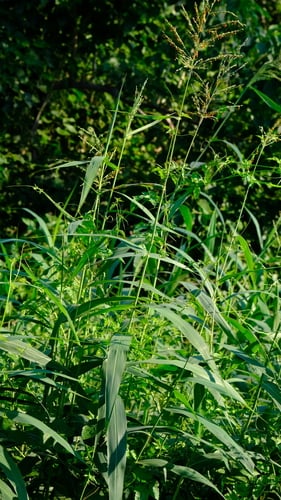
Phyllostachys viridiglaucescens
(Carriere) Riviere & C. Riviere
Farinose bamboo, Greenwax golden bamboo
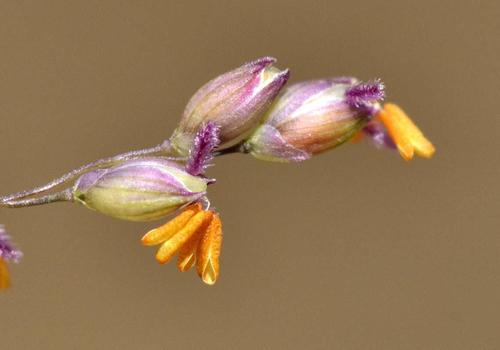
iNaturalist· cc-by-sa
(c) D-Kuru, some rights reserved (CC BY-SA)
wikimedia· cc-by-sa
Alain Van den Hende (via Wikimedia Commons)
Summary
Source: WikipediaPhyllostachys viridiglaucescens is a species of bamboo found in Fujian, Jiangsu, Jiangxi, Zhejiang provinces of China.
Description
A bamboo. It grows 4-8 m tall. It forms clumps. The culms are 4-5 cm across. The canes are grooved on alternate sides between the nodes. The canes are green. The internodes are 21-25 cm long. There are 1-3 leaves on the last branch. The leaf blades are 10-14 cm long by 1-2 cm wide.
Edible Uses
Young shoots are cooked and are virtually free of acridity — some reports even consider them mild enough to eat raw in salads, though at least one source notes they can be acrid when raw. They are also added to soups and similar dishes. Shoots from mature clumps can reach 40mm or more in diameter. Harvest in spring when shoots are about 8cm above ground, cutting approximately 5cm below soil level.
Traditional Uses
The young shoots are cooked and eaten. They are also pickled and used in soups and salted.
This uses section is brief — help expand it
Medicinal Uses
None known.
Distribution
It is a temperate plant. It needs fertile, moist, humus rich, well-drained soil. It suits hardiness 7-10.
Where It Grows
Australia, Asia, China*, North America, Tasmania, USA,
Cultivation
Plants can be grown by division.
Propagation
Surface sow fresh seed in a greenhouse at around 20°C, keeping the compost consistently moist. Germination can be fairly quick with good-quality seed, though it may take 3–6 months. Grow seedlings on in light shade under glass until large enough to plant out. Seed is rarely available. Division in spring as new growth begins is another option, though divisions taken from open ground transplant poorly and need careful management under cover in pots until at least late spring. Carry out divisions during wet weather, as smaller divisions tend to establish more reliably than large clumps. An alternative view holds that large divisions can be transplanted directly to permanent positions if misted or drenched frequently until established. Basal cane cuttings can also be taken in spring.
Other Uses
The canes are useful as plant supports. This plant is also suited to food forest systems.
Other Information
The shoots are enjoyed.
References (7)
- Bull. Soc. Natl. Acclim. France ser. 3, 5:700. 1878
- Crawford, M., 2012, How to grow Perennial Vegetables. Green Books. p 75
- Facciola, S., 1998, Cornucopia 2: a Source Book of Edible Plants. Kampong Publications, p 46
- Jackes, D. A., Edible Forest Gardens
- Kermath, B. M., et al, 2014, Food Plants in the Americas: A survey of the domesticated, cultivated and wild plants used for Human food in North, Central and South America and the Caribbean. On line draft. p 648
Show all 7 references Hide references
- Marinelli, J. (Ed), 2004, Plant. DK. p 274
- Young, 1954,