Cnidoscolus phyllacanthus
(Mart.) Pax and Hoffm.
Favela
iNaturalist· cc-by-nc
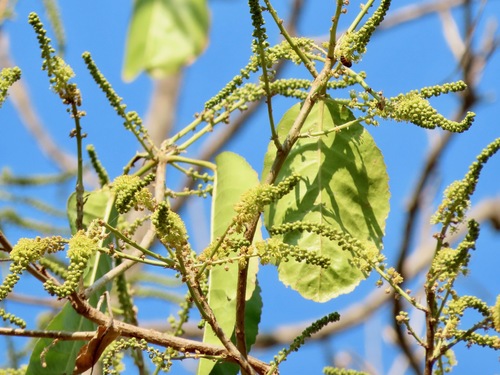
(c) Carla Guedes, some rights reserved (CC BY-NC)
iNaturalist· cc-by
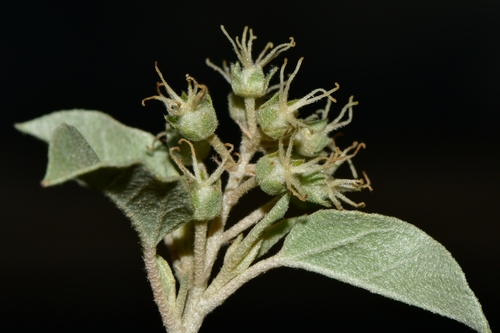
(c) stephen, some rights reserved (CC BY)
iNaturalist· cc-by-nc
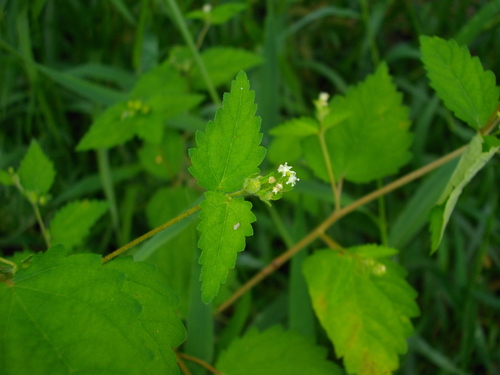
(c) Breno Farias, some rights reserved (CC BY-NC)
Description
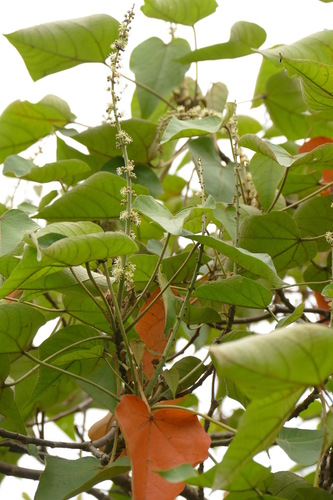
A small spiny tree. It grows 4-8 m high. It has latex in the stems. The trunk is short and branches near the base. It is 20-35 cm across. The bark is thin and smooth. The leaves are simple and alternate. They have deep lobes and spines near the edges. The leaves are 8-16 cm long. The leaf stalk is 1-2 cm long and spiny. The flowers are in groups in the axils of leaves. They are of one sex and white. The fruit is a capsule with 3 valves. These have 3 seeds. The fruit is covered with irritant hairs.
Edible Uses
The seeds are pressed to produce an edible oil.
Traditional Uses
The seeds are used to produce an edible oil.
This uses section is brief — help expand it
Known Hazards
The fruit is covered with irritant hairs.
Distribution
A tropical plant.
Where It Grows
Brazil, South America,
Cultivation
The plants are grown from seed. The ripe fruit are harvested and the seeds removed. Because the fruit burst open they need to be covered to stop the seeds spreading. Seeds germinate in 2-3 weeks.
Synonyms
Also Known As
Faveleira nut
References (4)
- H. G. A. Engler & K. A. E. Prantl, Nat. Pflanzenfam. ed. 2, 19:165. 1931
- Kermath, B. M., et al, 2014, Food Plants in the Americas: A survey of the domesticated, cultivated and wild plants used for Human food in North, Central and South America and the Caribbean. On line draft. p 247
- Lorenzi, H., 2002, Brazilian Trees. A Guide to the Identification and Cultivation of Brazilian Native Trees. Vol. 02 Nova Odessa, SP, Instituto Plantarum p 108
- Martin, F.W. & Ruberte, R.M., 1978, Vegetables for the Hot, Humid Tropics. Part 3 Chaya, Cnidoscolus chayamansa. USDA Dept Ag. PO Box 53326 New Orleans, Louisiana 70153.