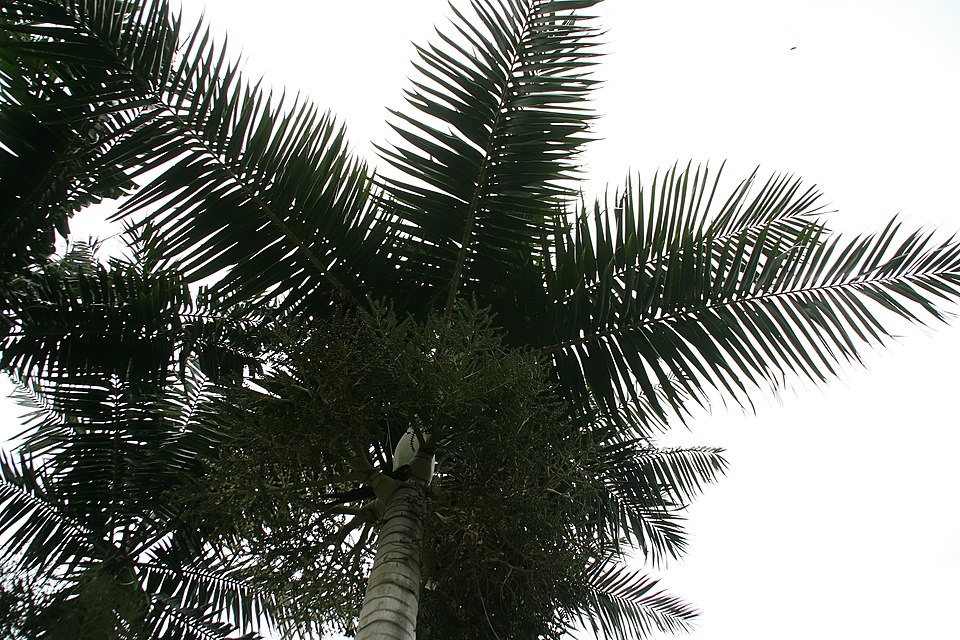
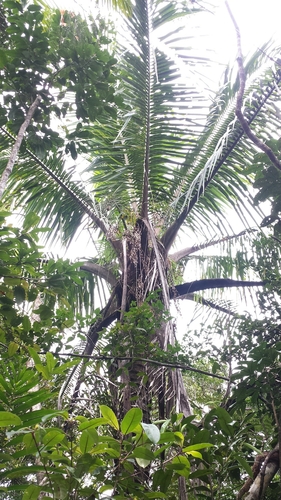
Syagrus petraea
(Mart.) Becc.
iNaturalist· cc-by-nc
(c) Germaine Alexander Parada, some rights reserved (CC BY-NC), uploaded by Germaine Alexander Parada
wikimedia· cc-by
Wikimedia Commons - João Medeiros
Description
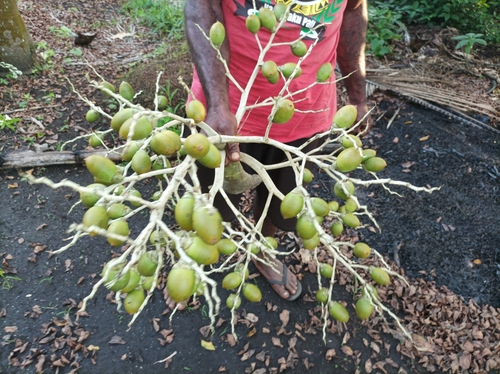
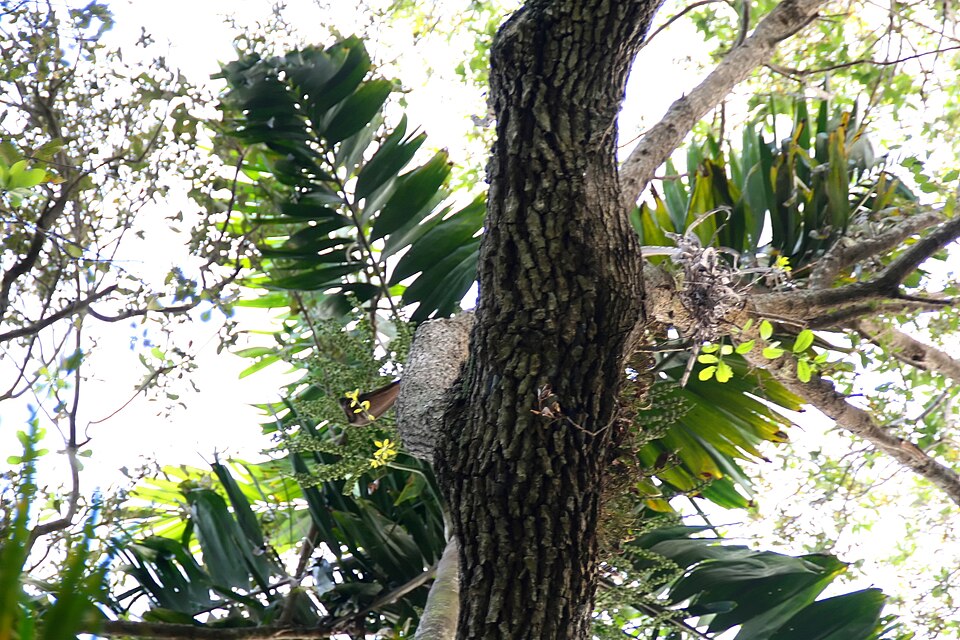
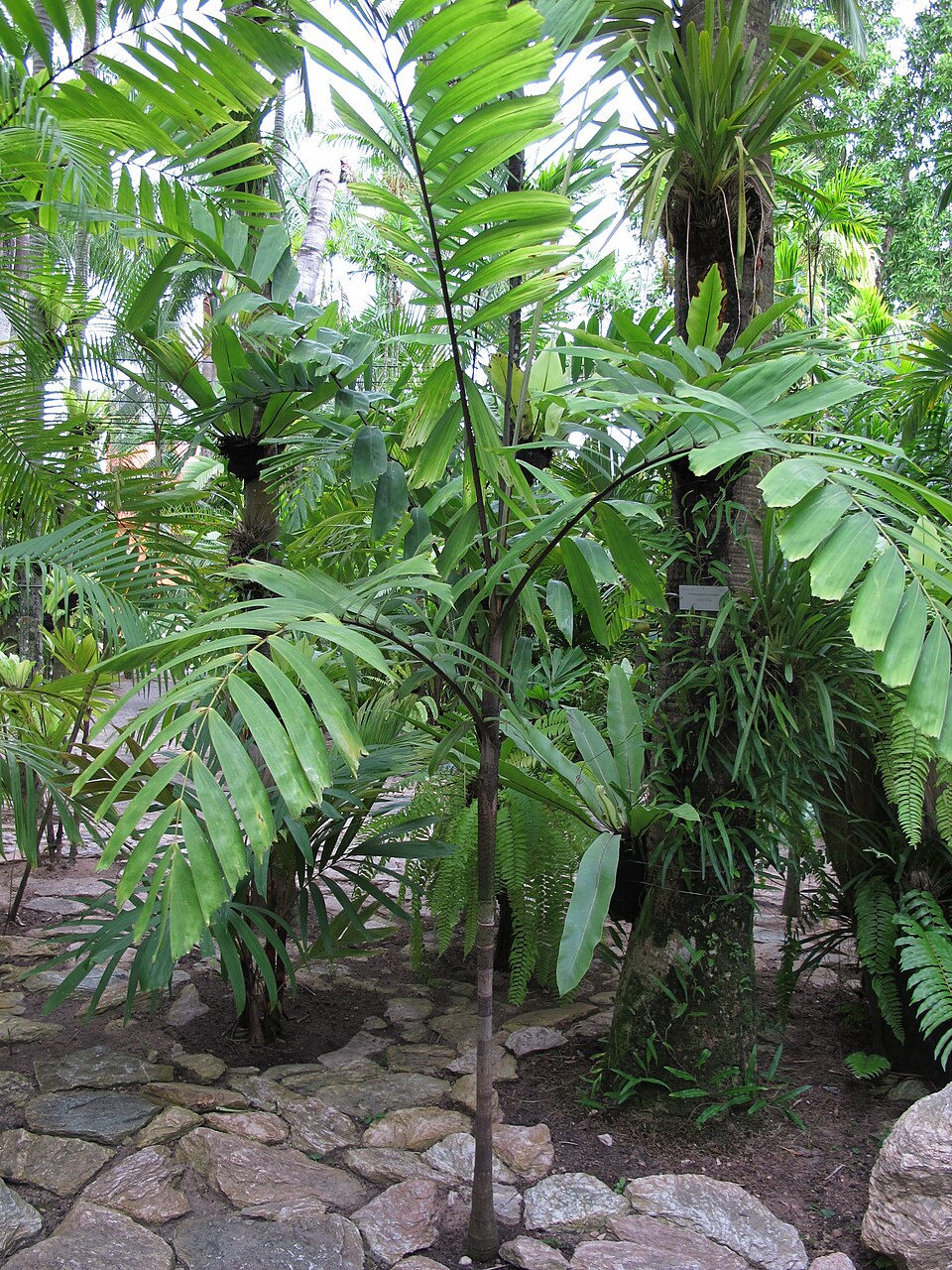
A solitary or cluster palm. The stem is short and can be underground. There are 4-8 leaves. They are 0.2-1.3 m long. There are 9-50 leaflets on each side. They are arranged regularly and in the one plane as well as clustered and in different planes. The flowering stalks are erect. They are 60 cm long. The fruit are oval and 2-3 cm long by 1-2 cm wide. They are green.
Edible Uses
Fruit - raw. The fleshy pulp is sometimes eaten. The green, ellipsoid fruit is up to 3cm long and 2cm in diameter.
Distribution
A tropical plant. It grows on sandy or red clayey soils. It grows in forested and open areas. It mostly grows between 600-900 m altitude.
Where It Grows
Bolivia, Brazil, Paraguay, South America,
Cultivation
The plant is probably tolerant of occasional light frosts. Grows best in a sunny position. Prefers a well drained, sandy soil. Established plants are drought tolerant. With its subterranean stems, the plant is often able to regrow after a forest fire.
Other Uses
The leaves are tied together to make brooms. The leaves are used in basketry.
Synonyms
Also Known As
Ariri, Coco de vassoura, Cocorito, Guriri, Palma de las rocas
References (4)
- Agric. Colon. 10(2):467. 1916
- Bortolotto, I. M., et al, 2018, Lista preliminar das plantas alimenticias nativas de Mato Grosso do Sul, Brasil. Iheringia, Serie Botanica, Porto Alegre, 73 (supl.):101-116
- Henderson, A., Galeano, G and Bernal, R., 1995, Field Guide to the Palms of the Americas. Princeton. p 147
- Kermath, B. M., et al, 2014, Food Plants in the Americas: A survey of the domesticated, cultivated and wild plants used for Human food in North, Central and South America and the Caribbean. On line draft. p 843