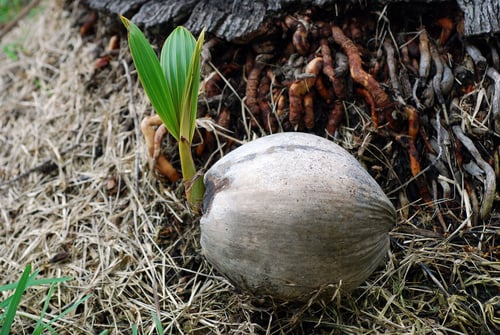
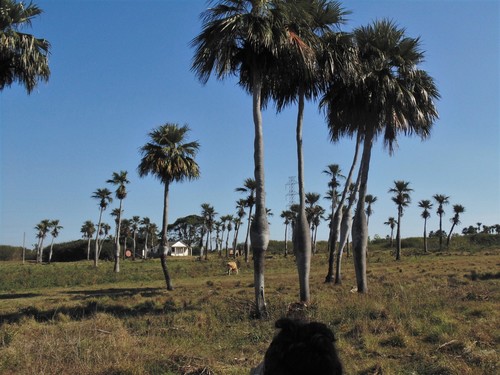
Dypsis ankaizinensis
(Jum.) Beentje & J. Dransf.
iNaturalist· cc-by-nc
(c) gentrs, some rights reserved (CC BY-NC)
iNaturalist· cc-by-nc
(c) gentrs, some rights reserved (CC BY-NC)
Description
A solitary palm tree native to Madagascar, growing 10-15 m high with a trunk 15-40 cm across. It thrives at elevations between 1400-2000 m in tropical regions.
Edible Uses
Leaves - cooked. The apical bud, known as a 'palm heart', is eaten as a vegetable. A slightly bitter flavour. Eating this bud leads to the death of the plant because it is unable to make side-shoots.
Medicinal Uses
The plant (parts not specified but probably the bark and/or the fruits) is used in the treatment of headaches, jaundice and hepatitis; and also as an aid to lactation.
Distribution
A tropical plant. It grows between 1400-2000 m altitude in Madagascar.
Where It Grows
Africa, East Africa, Madagascar,
Notes
There are 140 Dypsis species.
Synonyms
Also Known As
Hovatra, Laboka, Lavaboka
References (5)
- Balick, M.J. and Beck, H.T., (Ed.), 1990, Useful palms of the World. A Synoptic Bibliography. Colombia p 334 (As Chrysalidocarpus arkaizinensis),
- Dransfield, J. & Beentje, H., 1995, The Palms of Madagascar. Royal Botanical Gardens, Kew and The International Palm Society. p 182
- Haynes, J., & McLaughlin, J., 2000, Edible palms and Their Uses. University of Florida Fact sheet MCDE-00-50-1 p 5
- Johnson, D.V., 1998, Tropical palms. Non-wood Forest products 10. FAO Rome. p 113
- World Checklist of Useful Plant Species 2020. Royal Botanic Gardens, Kew