Cantharellus lutescens
(Pers.) Kuhn-Rom.
Luminous chanterelle, Yellowfoot, Yellow-footed chantarelle
iNaturalist· cc-by-nc
(c) veritas_nike81, some rights reserved (CC BY-NC)
iNaturalist· cc0
no rights reserved
iNaturalist· cc0
no rights reserved
Description
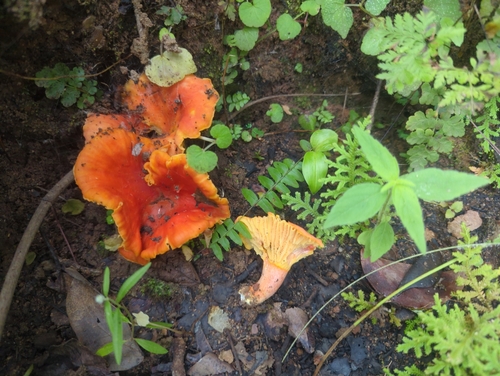
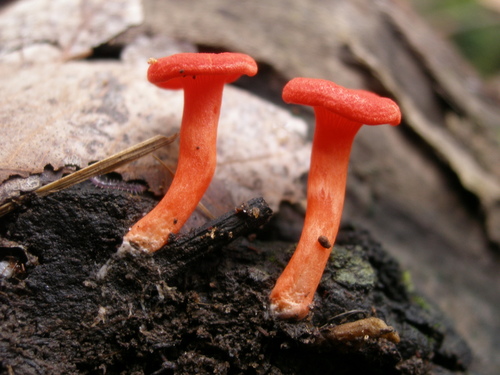
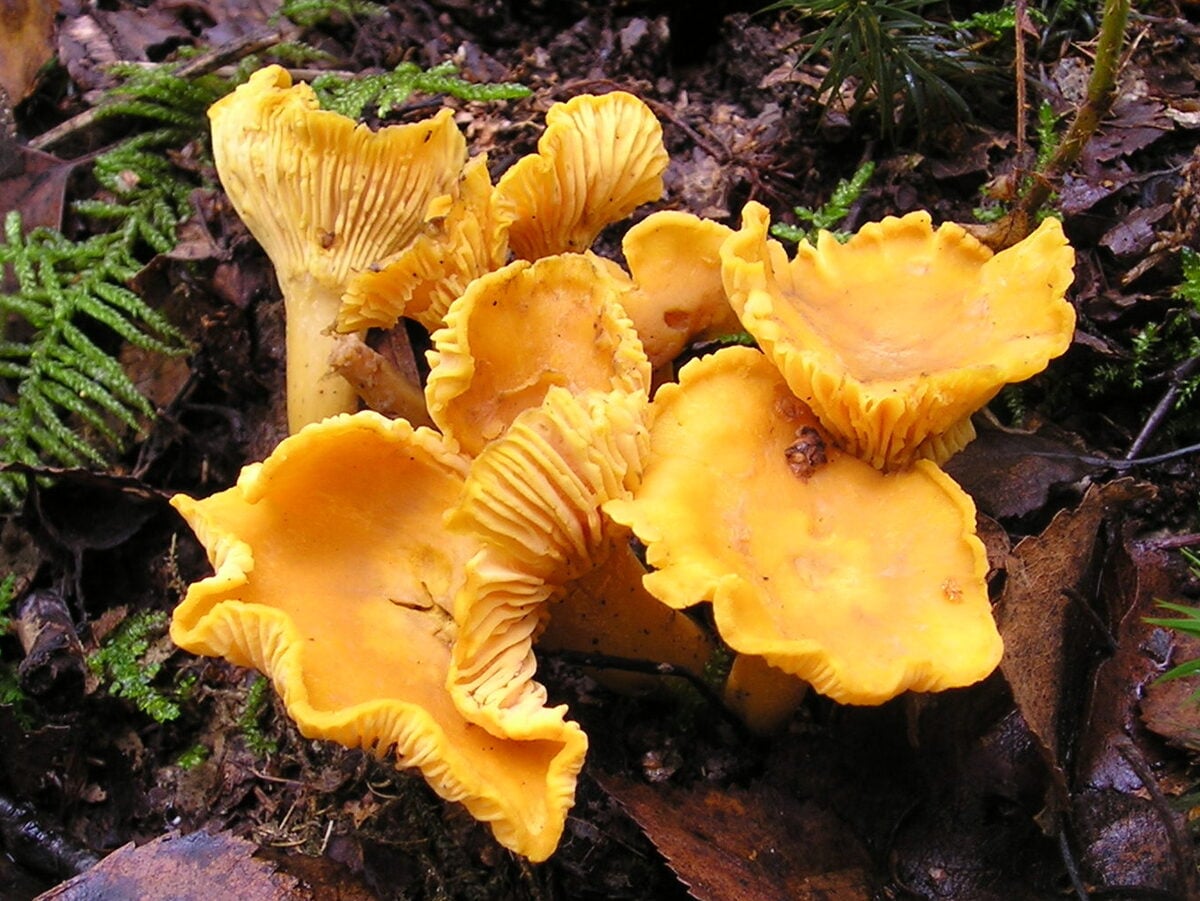
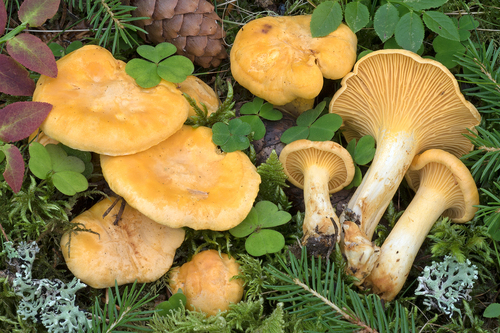
A temperate mushroom in the family Cantharellaceae, characterized by its distinctive funnel or trumpet shape with false gills.
This description is brief — help expand it
Edible Uses
The fruiting body (mushroom) is edible and commonly foraged.
Distribution
It is a temperate plant.
Where It Grows
Andorra, Europe, Finland, France, Italy, Mediterranean, Scandinavia, Serbia, Spain,
Dangerous Lookalikes
This plant can be confused with the following toxic species. Always verify identification carefully before consuming any wild plant.
Jack-O'-Lantern Mushroom
Omphalotus olearius
Antonio Abbatiello
Luminous chanterelle
Cantharellus lutescens
(c) veritas_nike81, some rights reserved (CC BY-NC)
Jack-O'-Lantern Mushroom: True knife-like gills, grows in clusters on wood/stumps, glows in the dark, orange throughout.
Luminous chanterelle: Blunt forked ridges (not true gills), grows singly from soil, apricot/fruity smell, solid flesh.
References (7)
- Cherubini, A. & Landi, S., Andar per Funghi, Edizioni DieRre, p 53
- Kaufmann, B. et al, 1999, The Great Encyclopedia of Mushrooms. Konemann. p 204
- Kozarski, M., et al, 2015, Antioxidants in Edible Mushrooms. Molecules 20, 19489-19525
- Pace, G., 1998, Mushrooms of the world. Firefly books. p 118(As Hygrophoropsis aurantiaca var. nigripes)
- Radomir, M., et al, 2018, Conservation and trade of wild edible mushrooms of Serbia – history, state of the art and perspectives. Nature Conservation 25: 31–53
Show all 7 references Hide references
- Schneider, E., 2001, Vegetables from Amaranth to Zucchini: The essential reference. HarperCollins. p 169 (As Cantharellus xanthopus)
- www.plantnames.unimelb.edu.au