Cantharellus longisporus
Heinem.
Apricot fungus
iNaturalist· cc-by-nc
(c) Emile Randrianjohany, some rights reserved (CC BY-NC), uploaded by Emile Randrianjohany
Description
A tropical fungus of the Cantharellaceae family, commonly known as the apricot fungus. It grows in Miombo woodland in tropical regions.
This description is brief — help expand it
Edible Uses
The mushroom is eaten as a vegetable or fungal food.
Distribution
A tropical plant. It grows in Miombo woodland.
Where It Grows
Africa, Congo DR, East Africa, Malawi, Mozambique, Southern Africa, Zambia, Zimbabwe,
Production
It especially grows towards the end of the rainy season in March and April.
Dangerous Lookalikes
This plant can be confused with the following toxic species. Always verify identification carefully before consuming any wild plant.
Jack-O'-Lantern Mushroom
Omphalotus olearius
Antonio Abbatiello
Apricot fungus
Cantharellus longisporus
(c) Emile Randrianjohany, some rights reserved (CC BY-NC), uploaded by Emile Randrianjohany
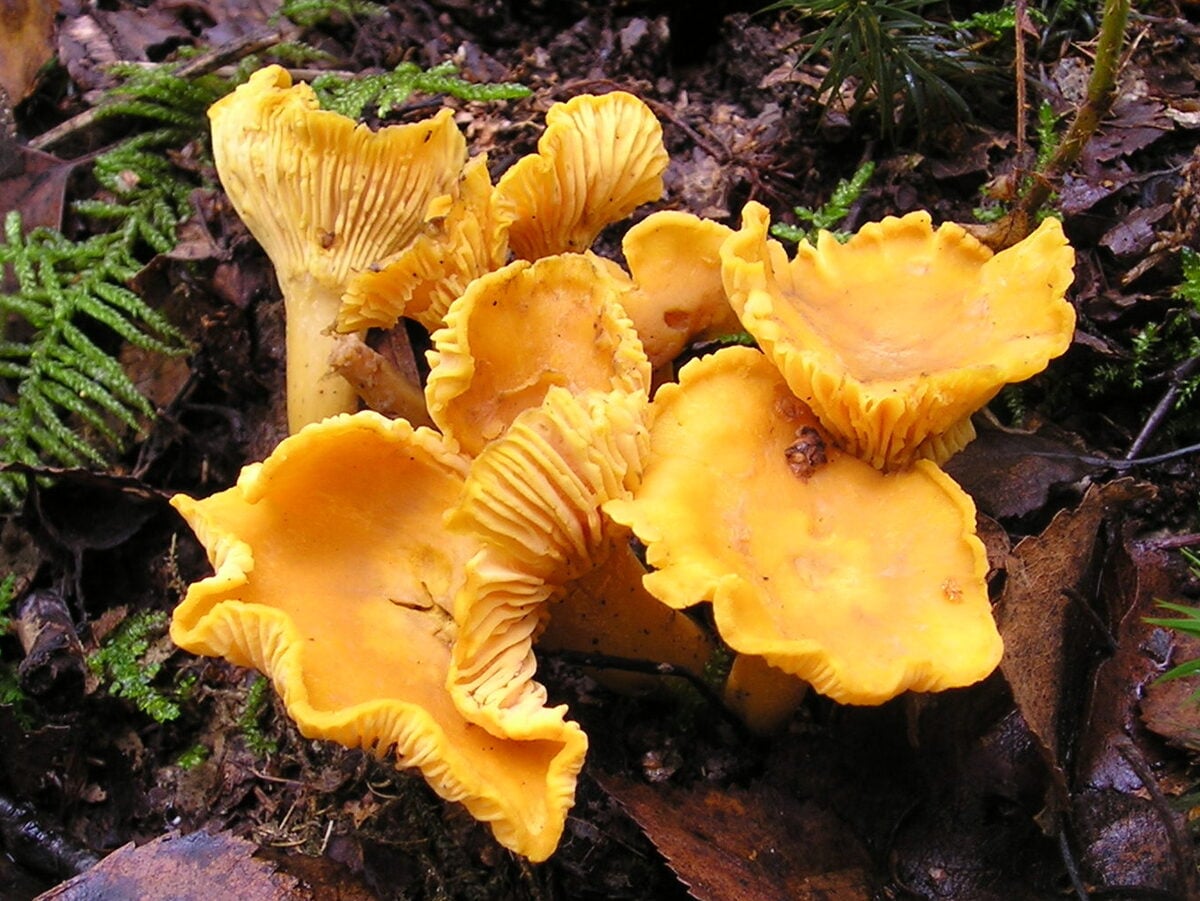
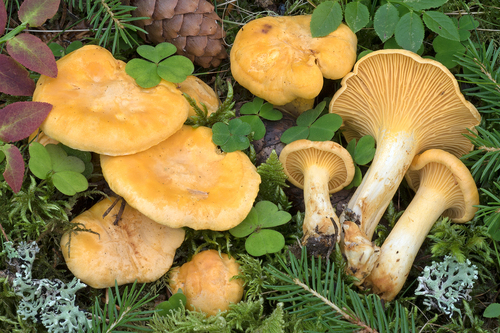
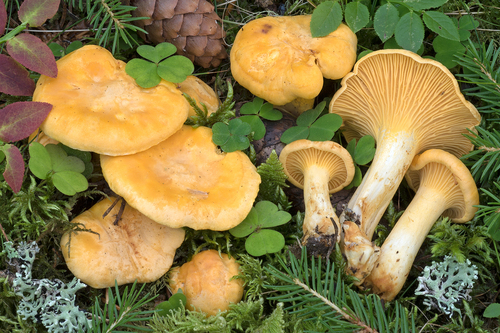
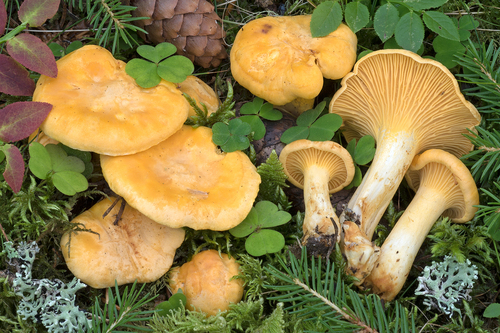
Jack-O'-Lantern Mushroom: True knife-like gills, grows in clusters on wood/stumps, glows in the dark, orange throughout.
Apricot fungus: Blunt forked ridges (not true gills), grows singly from soil, apricot/fruity smell, solid flesh.
Synonyms
Also Known As
Makungula
References (9)
- Boa, E. R., 2004, Wild edible fungi and their importance to people. FAO Non Wood Forest Products Booklet 17
- efta-online.org, Edible Fungi of Tropical Africa, Jardin botanique Meise
- Kamalebo, H. M., et al, 2018, Uses and importance of wild fungi: traditional knowledge from the Tshopo province in the Democratic Republic of the Congo. Journal of Ethnobiology and Ethnomedicine (2018) 14:13
- Kiple, K.F. & Ornelas, K.C., (eds), 2000, The Cambridge World History of Food. CUP p 317, 318
- Morris, B., 1987, Common mushrooms of Malawi. Oslo.
Show all 9 references Hide references
- Pegler, D. N. & Piearce, G. D., 1980, The Edible Mushrooms of Zambia. Kew Bulletin. 35(3): 475-491
- Piearce, G.D., 1981, Zambian mushrooms - customs and folklore. British Mycological Society Bulletin 139-42.
- Schneider, E., 2001, Vegetables from Amaranth to Zucchini: The essential reference. HarperCollins. p 169
- Tredgold, M.H., 1986, Food Plants of Zimbabwe. Mambo Press. p 20