Porcelia nitidifolia
Ruiz et Pav.
Glossy leaf porcelia
gbif· cc-by-nc
Nell C. Kessenich : Field Museum of Natural History - Botany Department
gbif· cc-by-nc
Field Museum of Natural History - Botany Department
gbif· cc-by-nc
Field Museum of Natural History - Botany Department | GDI 2013-2015
Description
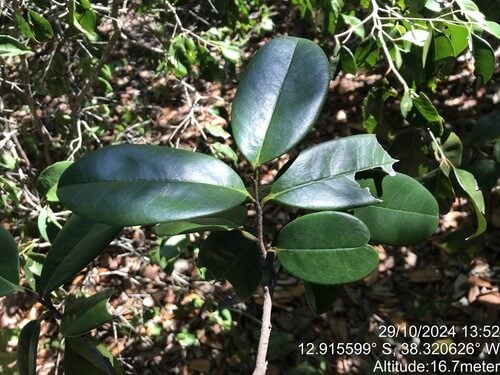
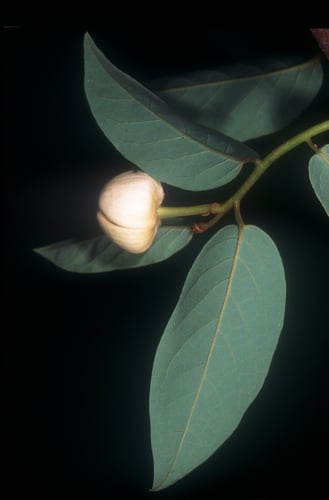
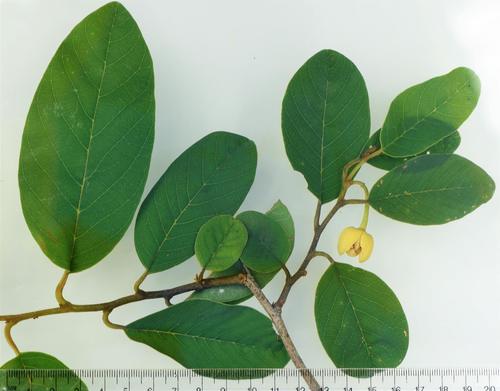
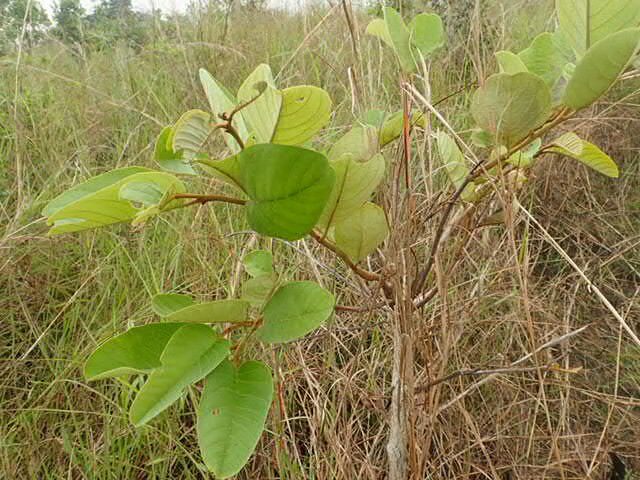
A tropical tree of the Annonaceae family that can grow 20 m tall with simple broad leaves.
This description is brief — help expand it
Edible Uses
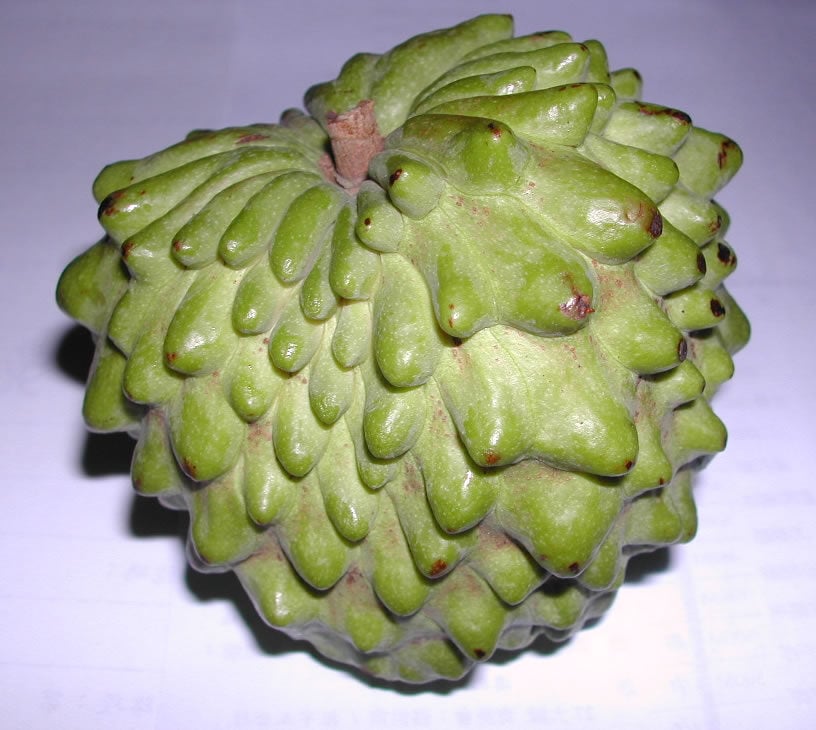
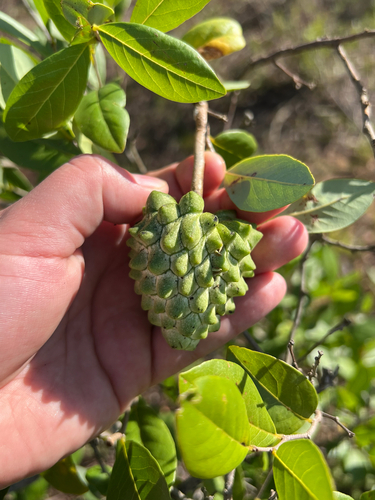
Fruit - raw. The flavour is variously described as tasty and bitter. The fruit is composed of 1 - 9, oblongiform monocarps, each 65 - 110mm long and 32 - 52mm wide.
Traditional Uses
The pulp of the fruit is eaten.
This uses section is brief — help expand it
Distribution
A tropical plant.
Where It Grows
Bolivia, Ecuador, Peru, South America,
Cultivation
Suceeds in wet soils. The fruit takes around 1 year to develop from flowering to maturity.
Other Uses
The wood is used locally for construction.
Synonyms
Also Known As
Sapote de parro, Zapatillo
References (5)
- Grandtner, M. M. & Chevrette, J., 2013, Dictionary of Trees, Volume 2: South America: Nomenclature, Taxonomy and Ecology. Academic Press p 519
- Hedrick, U.P., 1919, (Ed.), Sturtevant's edible plants of the world. p 512
- Kermath, B. M., et al, 2014, Food Plants in the Americas: A survey of the domesticated, cultivated and wild plants used for Human food in North, Central and South America and the Caribbean. On line draft. p 678
- Martin, F. W., et al, 1987, Perennial Edible Fruits of the Tropics. USDA Handbook 642 p 81
- Smith, N., Mori, S.A., et al, 2004, Flowering Plants of the Neotropics. Princeton. p 20