Allophylus edulis
(A. St.-Hil., A. Juss. & Cambess) Radlk. ex Warm.
Fruta de parao
iNaturalist· cc-by
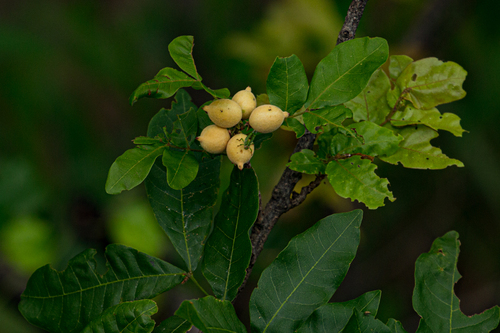
(c) Tomás Carranza Perales, some rights reserved (CC BY), uploaded by Tomás Carranza Perales
iNaturalist· cc0
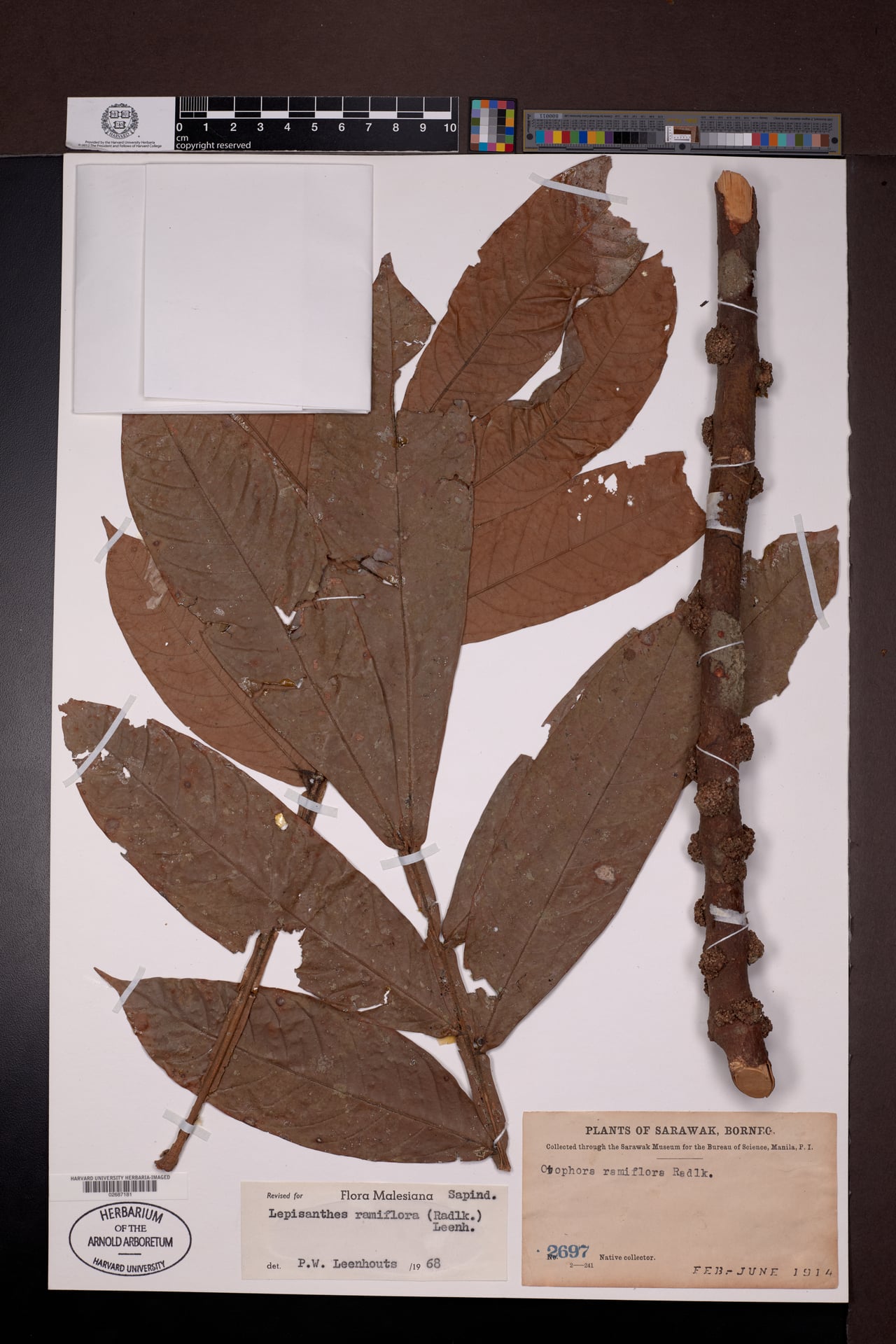
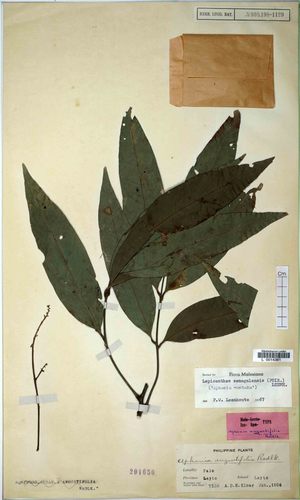
no rights reserved, uploaded by Gabriel Laufer
iNaturalist· cc-by-nc
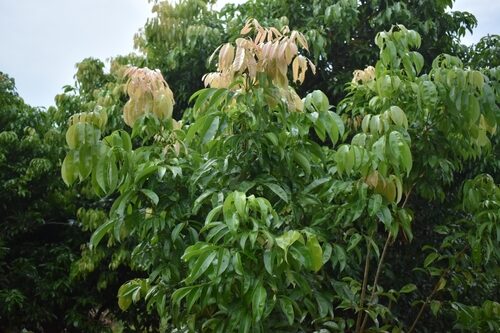
(c) Horacio Sirolli, some rights reserved (CC BY-NC), uploaded by Horacio Sirolli
Summary
Source: WikipediaAllophylus edulis (Portuguese: chal-chal) is a plant species in the genus Allophylus endemic to the Guianas, Brazil, Bolivia, Paraguay, Argentina and Uruguay.
Description
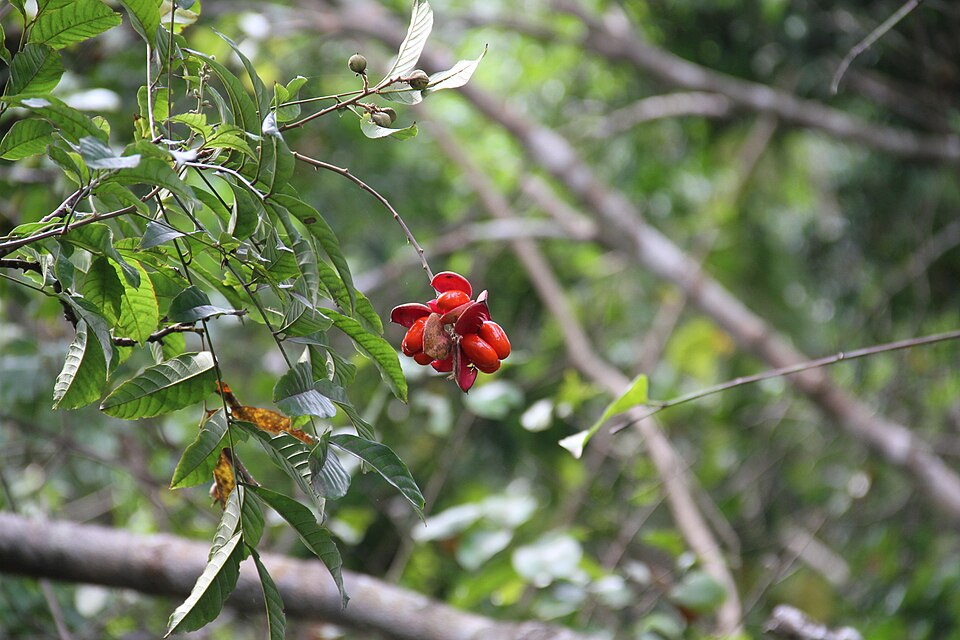
A bushy tree. It can grow 1-15 m tall. The trunk can be 30-50 cm across. The leaves are alternate and have 3 leaflets. The flowers are small and white. The fruit are about the size of a pea. They are red.
Edible Uses
The fruit contain a small amount of edible flesh and have been used to make an alcoholic drink. The seeds are also edible.
Traditional Uses
The fruit have a small amount of edible flesh. The fruit have been used to make an alcoholic drink. (Caution: Alcohol is a cause of cancer)
This uses section is brief — help expand it
Medicinal Uses
Quebrachitol, a cyclitol, and viridiflorol, a sesquiterpenoid, are found in A. edulis.
Known Hazards
The fruit have been used to make an alcoholic drink (Caution: Alcohol is a cause of cancer).
Distribution
It is a tropical plant. In Argentina it grows from sea level to 2,000 m above sea level.
Where It Grows
Argentina, Bolivia, Brazil*, Guiana, Guyana, Paraguay, Peru, South America, Uruguay,
Cultivation
Succeeds in sunny positions and in dappled shade. Prefers a moist soil. A fast-growing tree.
Propagation
Seed - best sown as soon as it is ripe in a partially shaded position in a nursery seedbed or in individual containers. A germination rate in excess of 80% can be expected, with the seed sprouting within 20 - 30 days. When the seedbed-sown seedlings are 5 - 6cm tall, pot them up into individual containers and they should be ready to plant out less than 6 months later.
Other Uses
The wood is light in weight, soft, compact, more or less elastic, with good mechanical properties and of low durability when exposed. It is used for cabinet making, stays, poles etc. The wood is used for fuel and to make charcoal. A fast-growing tree that can tolerate sunny positions and also is a good source of food for the native fauna, it can be used as a pioneer plant when restoring native woodland and also for establishing woodland gardens.
Notes
There are 190-200 Allophyllus species. Some say there is just one widely variable species.
Synonyms
Also Known As
Chal-chal, Chale-chale, Chanchal, Cochinilla, Coco, Cocu, Cuncum, Koku, Vacum, Waku
References (17)
- Alimenticias - FloraSBS
- Bircher, A. G. & Bircher, W. H., 2000, Encyclopedia of Fruit Trees and Edible Flowering Plants in Egypt and the Subtropics. AUC Press. p 20
- Bortolotto, I. M., et al, 2018, Lista preliminar das plantas alimenticias nativas de Mato Grosso do Sul, Brasil. Iheringia, Serie Botanica, Porto Alegre, 73 (supl.):101-116
- Brack, P., et al, 2020, Frutas nativas do Rio Grande do Sul, Brasil: riqueza e potencial alimentício. Native fruits of Rio Grande do Sul, Brazil: richness and potential as food. Rodriguésia 71: e03102018
- Grandtner, M. M. & Chevrette, J., 2013, Dictionary of Trees, Volume 2: South America: Nomenclature, Taxonomy and Ecology. Academic Press p 24
Show all 17 references Hide references
- Hedrick, U.P., 1919, (Ed.), Sturtevant's edible plants of the world. p 598
- INFOODSUpdatedFGU-list.xls
- Kermath, B. M., et al, 2014, Food Plants in the Americas: A survey of the domesticated, cultivated and wild plants used for Human food in North, Central and South America and the Caribbean. On line draft. p 35
- Kinupp, V. F., 2007, Plantas alimenticias nao-convencionais da regiao metropolitana de Porto Alegre, RS, Brazil p 98
- Kinupp, V. F. & Bergman, I., 2008, Protein and minerals of native species, potential vegetables and fruits. Cienc.Tecnol. Aliment. Vol. 28 No. 4 Campinas Oct/Dec.
- Kujawska, M. & Luczaj, L., 2015, Wild Edible Plants Used by the Polish Community in Misiones, Argentina. Human Ecology 43:855-869
- Malezas Comestibles del Cono Sur, INTA, 2009, Buernos Aires
- Reis, S. V. and Lipp, F. L., 1982, New Plant Sources for Drugs and Foods from the New York Botanical Garden herbarium. Harvard. p 168
- Scarpa, G. F., 2009, Wild food plants used by the indigenous peoples of South American Gran Chaco: A general synopsis and intercultural comparison. Journal of Applied Botany and Food Quality 83:90-101
- Vidensk. Meddel. Dansk Naturhist. Foren. Kjobenhavn 37:244. 1890
- World Checklist of Useful Plant Species 2020. Royal Botanic Gardens, Kew
- www.colecionandofrutas.org