Beta vulgaris subsp. maritima
(L.) Arcang.
Sea beet
gbif· cc0
Stephen James McWilliam
gbif· cc-by
Duarte Frade
gbif· cc0
Stephen James McWilliam
Summary
Source: WikipediaBeta vulgaris (beet) is a species of flowering plant in the subfamily Betoideae of the family Amaranthaceae. It is a perennial plant usually growing up to 120 centimetres (4 ft) tall. Three subspecies are typically recognised. The wild ancestor of all the cultivated beets is the sea beet (Beta vulgaris subsp. maritima), with several modern cultivars all belonging to B. vulgaris subsp. vulgaris. Some of the most popular cultivar groups include: the sugar beet (used to produce table sugar), the root vegetable known as the beetroot or garden beet, the leaf vegetable known as chard or spinach beet or silverbeet, and mangelwurzel (a fodder crop).
Description
A low, fleshy herb. It can grow each year from seed or last a few years. The stems are often sprawling and reddish. The leaves are oval or sword shaped. They can have a heart shaped base and are leathery and do not have teeth. The flowers are small and green to purple. They are in leafy clusters on long spikes. The fruit become corky and fuse together.
Edible Uses
Spinach beet leaves are eaten as a pot herb. Young leaves of the garden beet are sometimes used similarly. The midribs of Swiss chard are eaten boiled while the whole leaf blades are eaten as spinach beet. In some parts of Africa, the whole leaf blades are usually prepared with the midribs as one dish. The leaves and stems of young plants are steamed briefly and eaten as a vegetable; older leaves and stems are stir-fried and have a flavour resembling taro leaves. The usually deep-red roots of garden beet can be baked, boiled, or steamed, and often served hot as a cooked vegetable or cold as a salad vegetable. They are also pickled. Raw beets are added to salads. A large proportion of the commercial production is processed into boiled and sterilised beets or into pickles. In Eastern Europe beet soup, such as cold borsch, is a popular dish. Yellow-coloured garden beets are grown on a very small scale for home consumption. The consumption of beets causes pink urine in some people. Jewish people traditionally eat beet on Rosh Hashana (New Year). Its Aramaic name סלקא sounds like the word for "remove" or "depart"; it is eaten with a prayer "that our enemies be removed".
Traditional Uses
The leaves are boiled and used in vegetable soups and stews. The young tender leaves are used in salads. The root is used in soup. It is also dried and crushed and sifted and the flour mixed with barley or wheat flour.
Medicinal Uses
The roots and leaves of the beet have been used in traditional medicine to treat a wide variety of ailments. Ancient Romans used beetroot as a treatment for fevers and constipation, amongst other ailments. Apicius in De re coquinaria gives five recipes for soups to be given as a laxative, three of which feature the root of beet. Platina recommended taking beetroot with garlic to nullify the effects of 'garlic-breath'. Beet greens and Swiss chard are both considered high oxalate foods which are implicated in the formation of kidney stones.
Distribution
It is a temperate plant. It grows in rocky coastal sites. It is often on cliffs and salt marshes. Tasmania Herbarium. It suits hardiness zone 7.
Where It Grows
Africa, Albania, Algeria, Argentina, Australia, Azerbaijan, Balkans, Belgium, Bosnia, Britain, Bulgaria, Caucasus, Chile, Croatia, Cyprus, Denmark, Egypt - Sinai, Egypt, Europe, France, Germany, Greece, Ireland, Israel, Italy, Jordan, Lebanon, Libya, Mediterranean, Middle East, Morocco, Netherlands, North Africa, Portugal - Azores, Madeira Islands, North Africa, Portugal, Scandinavia, Sicily, Slovenia, South America, Spain - Canary Islands, Spain, Syria, Sweden, Tasmania, Tunisia, Turkey, Türkiye, Uruguay, USA, Yugoslavia,
Notes
Probably all Beta are one species and 2 main forms - Cicla - for leaves, and Contiva - for roots. Also put in the family Chenopodiaceae.
Nutrition
| Part | Moisture | kJ | kcal | Protein | Vit A | Vit C | Iron | Zinc |
|---|---|---|---|---|---|---|---|---|
| Leaves | 89.2 | 111 | 27 | 2.4 | — | 18.3 | 5 | 0.3 |
| Roots | — | — | — | — | — | — | — | — |
Synonyms
Also Known As
Acelga de campo, Acelgas bordes, Acelgas de Dios, Acelguilla, Bietola selvatica, Divlja blitva, Giri, Iet', Silq barri, Zarchi
References (37)
- Al-Qura'n, S. A., 2010, Ethnobotanical and Ecological Studies of Wild Edible Plants in Jordan. Libyan Agriculture Research Center Journal International 1(4):231-243
- Bircher, A. G. & Bircher, W. H., 2000, Encyclopedia of Fruit Trees and Edible Flowering Plants in Egypt and the Subtropics. AUC Press. p 58 (As Beta maritima)
- Biscotti, N. et al, 2018, The traditional food use of wild vegetables in Apulia (Italy) in the light of Italian ethnobotanical literature. Italian Botanist 5:1-24
- Blamey, M and Grey-Wilson, C., 2005, Wild flowers of the Mediterranean. A & C Black London. p 39
- BOUQUET (As Beta maritima)
Show all 37 references Hide references
- Cerne, M., 1992, Wild Plants from Slovenia used as Vegetables. Acta Horticulturae 318 (As Beta maritima)
- Comp. fl. ital. 593. 1882
- Cundall, P., (ed.), 2004, Gardening Australia: flora: the gardener's bible. ABC Books. p 234
- Curtis, W.M., 1993, The Student's Flora of Tasmania. Part 3 St David's Park Publishing, Tasmania, p 573
- Della, A., et al, 2006, An ethnobotanical survey of wild edible plants of Paphos and Larnaca countryside of Cyprus. J. Ethnobiol. Ethnomed. 2:34
- Facciola, S., 1998, Cornucopia 2: a Source Book of Edible Plants. Kampong Publications, p 76
- Flora of Australia, Volume 4, Phytolaccaceae to Chenopodiaceae, Australian Government Publishing Service, Canberra (1984) p 277 (As Beta maritima)
- Geraci, A., et al, 2018, The wild taxa utilized as vegetables in Sicily (Italy): a traditional component of the Mediterranean diet. Journal of Ethnobiology and Ethnomedicine (2018) 14:14
- Guil-Guerrero, J. L., et al, 2001, Edible Wild Plants. in Recent Progress in Medicinal Plants Vol. 8 Sci. Tech publishing, Texas (As Beta maritima)
- Guzelsoy, N. A., et al, 2017, Nutritional Properties of some Wild Edible Plant Species in Turkey. ANADOLU, J. of AARI 27(2) 2017, 39-45 (As Beta maritima)
- Heywood, V. H. & Zohary, D.,1995, A Catalogue of the Wild Relatives of Cultivated Plants Native to Europe. Flora Mediterranea 5 - 1995, p 385
- Irving, M., 2009, The Forager Handbook, A Guide to the Edible Plants of Britain. Ebury Press p 188
- Jackes, D. A., Edible Forest Gardens
- Lazarides, M. & Hince, B., 1993, Handbook of Economic Plants of Australia, CSIRO. p 32
- Luczaj, L. et al, 2013, Wild food plants used in the villages of the Lake Vrana Nature Park (northern Dalmatia, Croatia). Acta Societatis Botanicorum Poloniae, 82(4): 275-281
- Luczaj, L. et al, 2014, Wild Food Plants of Dalmatia (Croatia). in A. Pieroni, C. L. Quave (eds.), Ethnobotany and Biocultural Diversities in the Balkans, p 138
- Mattalia, G., et al, 2012, Traditional uses of wild food and medicinal plants among Brigasc, Kye ́, and Provenc ̧al communities on the Western Italian Alps. Genet Resour Crop Evol. Springer
- Michael, P., 2007, Edible Wild Plants and Herbs. Grub Street. London. p 210
- Molina, M. et al, 2014, Weeds and Food Diversity: Natural Yield Assessment and Future Alternatives for Traditionally Consumed Wild Vegetables. Journal of Ethnobiology 34(1): 44–67 (As Beta maritima)
- Pasta, S., et al, 2020, An Updated Checklist of the Sicilian Native Edible Plants: Preserving the Traditional Ecological Knowledge of Century-Old Agro-Pastoral Landscapes. Frontiers in Plant Science. Volume 11|Article 388
- Pieroni, A., 1999, Gathered wild food plants in the Upper Valley of the Serchio River (Garfagnana), Central Italy. Economic Botany 53(3) pp 327-341
- Plants for a Future database, The Field, Penpol, Lostwithiel, Cornwall, PL22 0NG, UK. http://www.scs.leeds.ac.uk/pfaf/
- Redzic, S. J., 2006, Wild Edible Plants and their Traditional Use in the Human Nutrition in Bosnia-Herzegovina. Ecology of Food and Nutrition, 45:189-232 (As Beta maritima)
- Rivera, C., et al, 2005, The Ethnobotanical Study of Local Mediterranean Food Plants as Medicinal Resources in Southern Spain. Journal of Physiologyand Pharmacology. 56, Suppl. 1, 97-114
- Rivera, D. et al, 2006, Gathered Mediterranean Food Plants - Ethnobotanical Investigations and Historical Development, in Heinrich M, Müller WE, Galli C (eds): Local Mediterranean Food Plants and Nutraceuticals. Forum Nutr. Basel, Karger, 2006, vol 59, pp 18–74 (As Beta maritima)
- Sanchez-Mata, M. C., et al, 2010, Wild vegetables of the Mediterranean area as valuable sources of bioactive compounds. Genet. Resourc. Crop Evol. 59:431-443 (As Beta maritima)
- Sansanelli, S., et al, 2017, Ethnobotanical survey of wild food plants traditionally collected and consumed in the Middle Agri Valley (Basilicata region, southern Italy). Journal of Ethnobiology and Ethnomedicine (2017) 13:50
- Sp. pl. ed. 2, 1:322. 1762
- Tardio, J., et al, 2006, Ethnobotanical review of wild edible plants in Spain. Botanical J. Linnean Soc. 152, 27-71 (As Beta maritima)
- Tasmanian Herbarium Vascular Plants list p 21
- USDA, ARS, National Genetic Resources Program. Germplasm Resources Information Network - (GRIN). [Online Database] National Germplasm Resources Laboratory, Beltsville, Maryland. Available: www.ars-grin.gov/cgi-bin/npgs/html/econ.pl (10 April 2000)
- Wiersema, J. H. & Leon, B., 2013, World Economic Plants. A Standard Reference CRC Press. 2nd Ed. p 100
More from Amaranthaceae
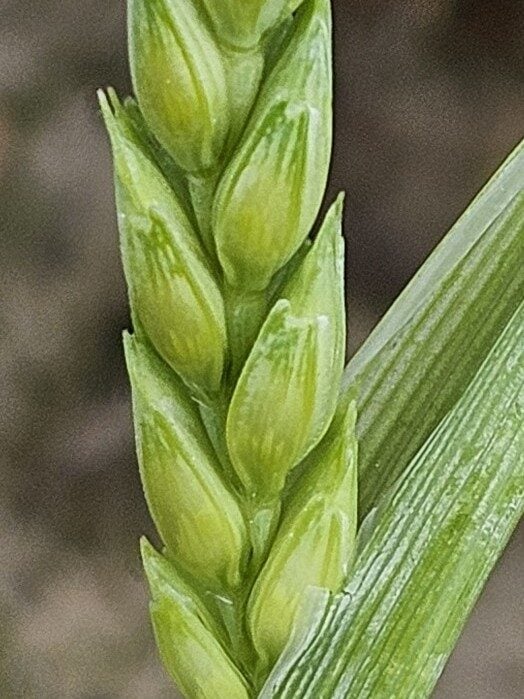
Triticum aestivum spelta - (L.)Thell.
Spelt Wheat
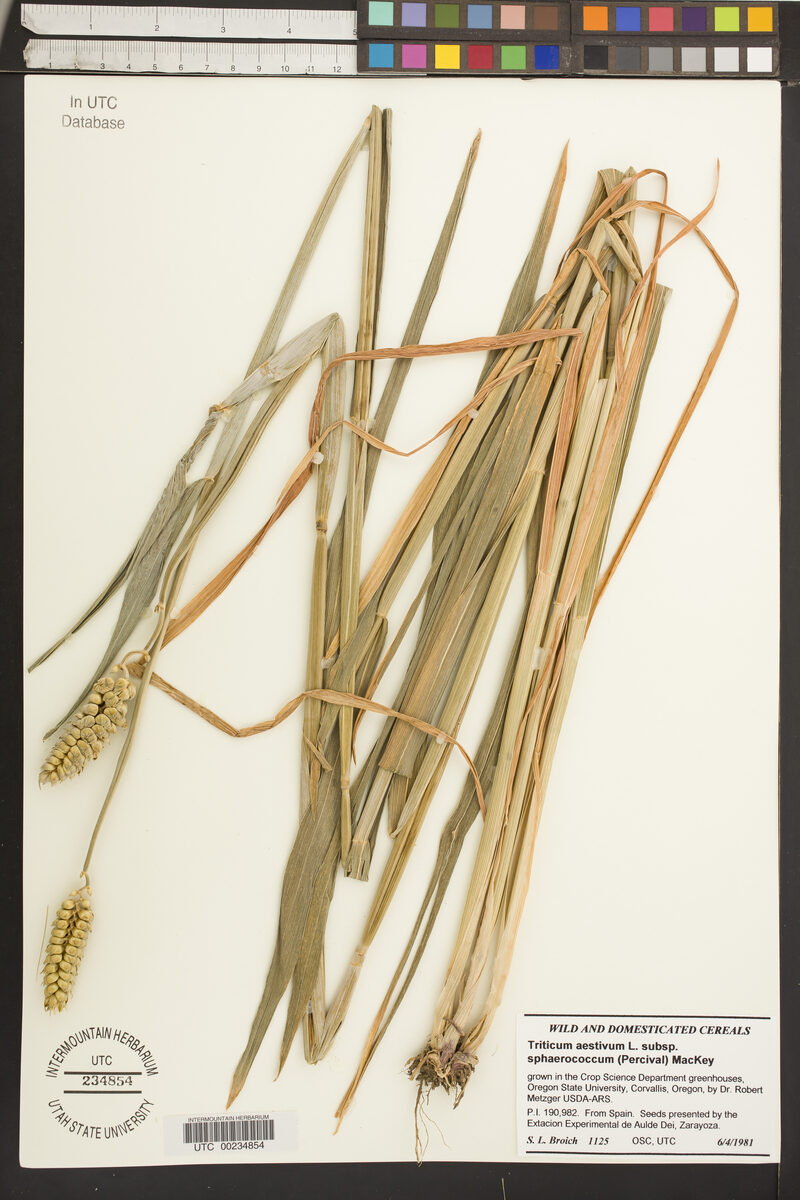
Triticum aestivum sphaerococcum - (Percival)Mackey.
Shot Wheat
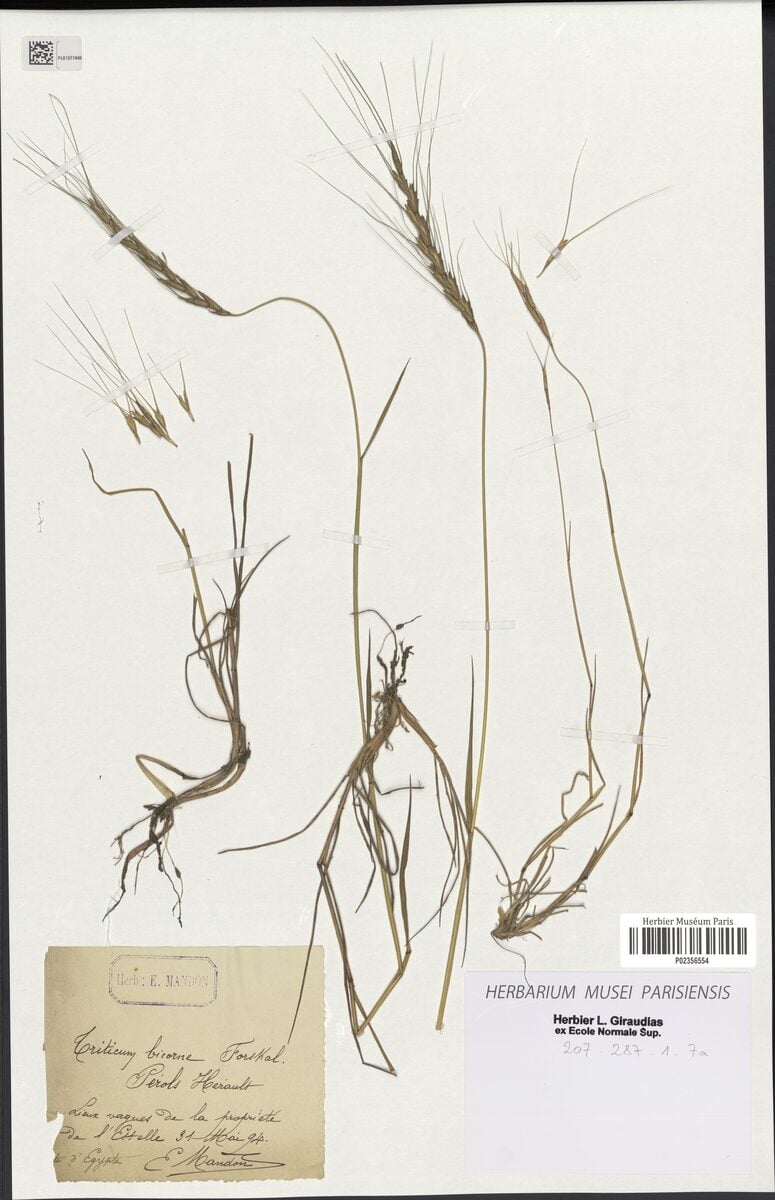
Triticum bicorne
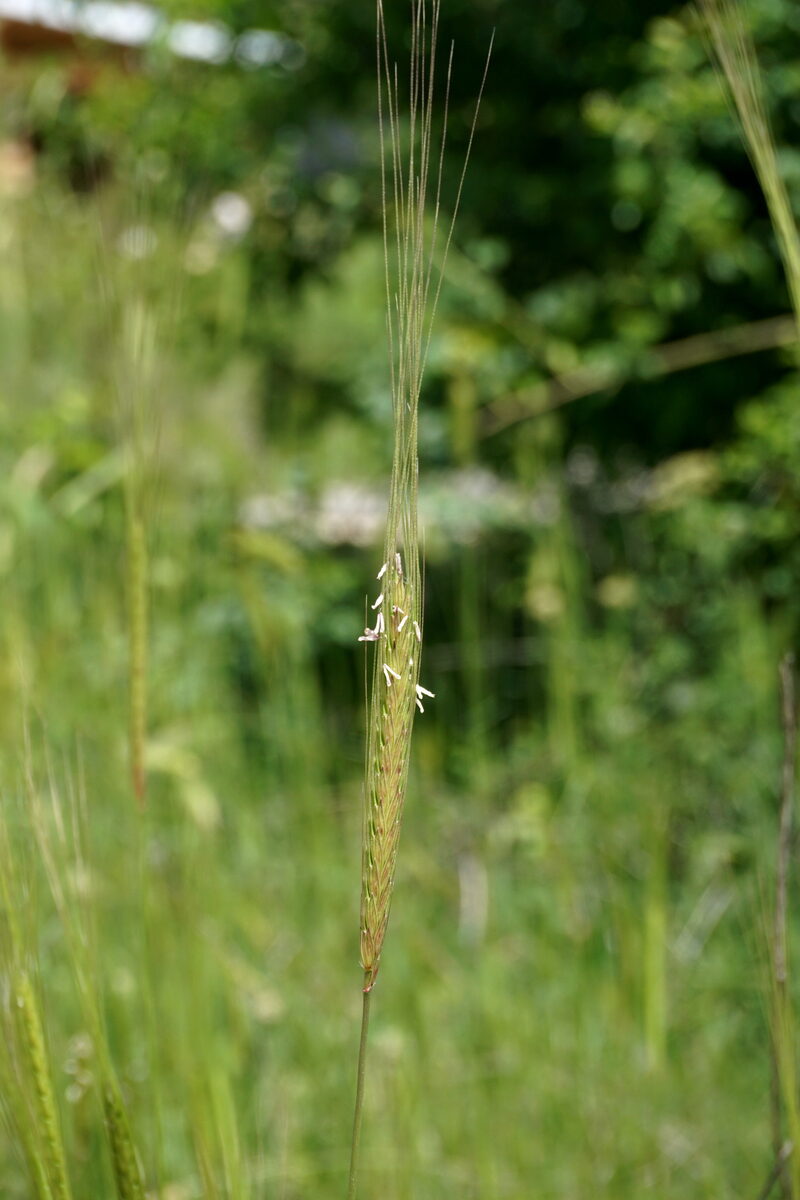
Triticum monococcum aegilopoides - (Link.)Thell.
Wild Einkorn
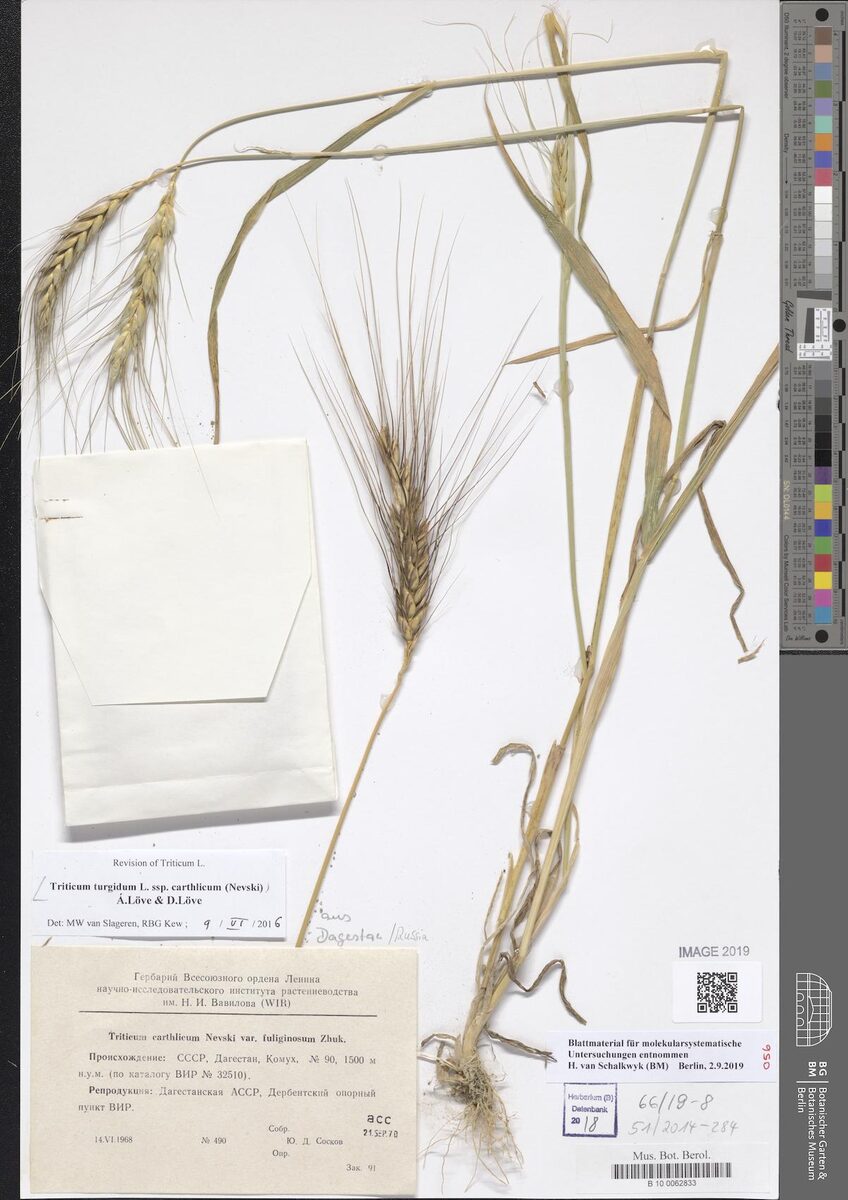
Triticum turgidum carthlicum - (Nevski.)Á.Löve.&D.Löve.
Persian Wheat
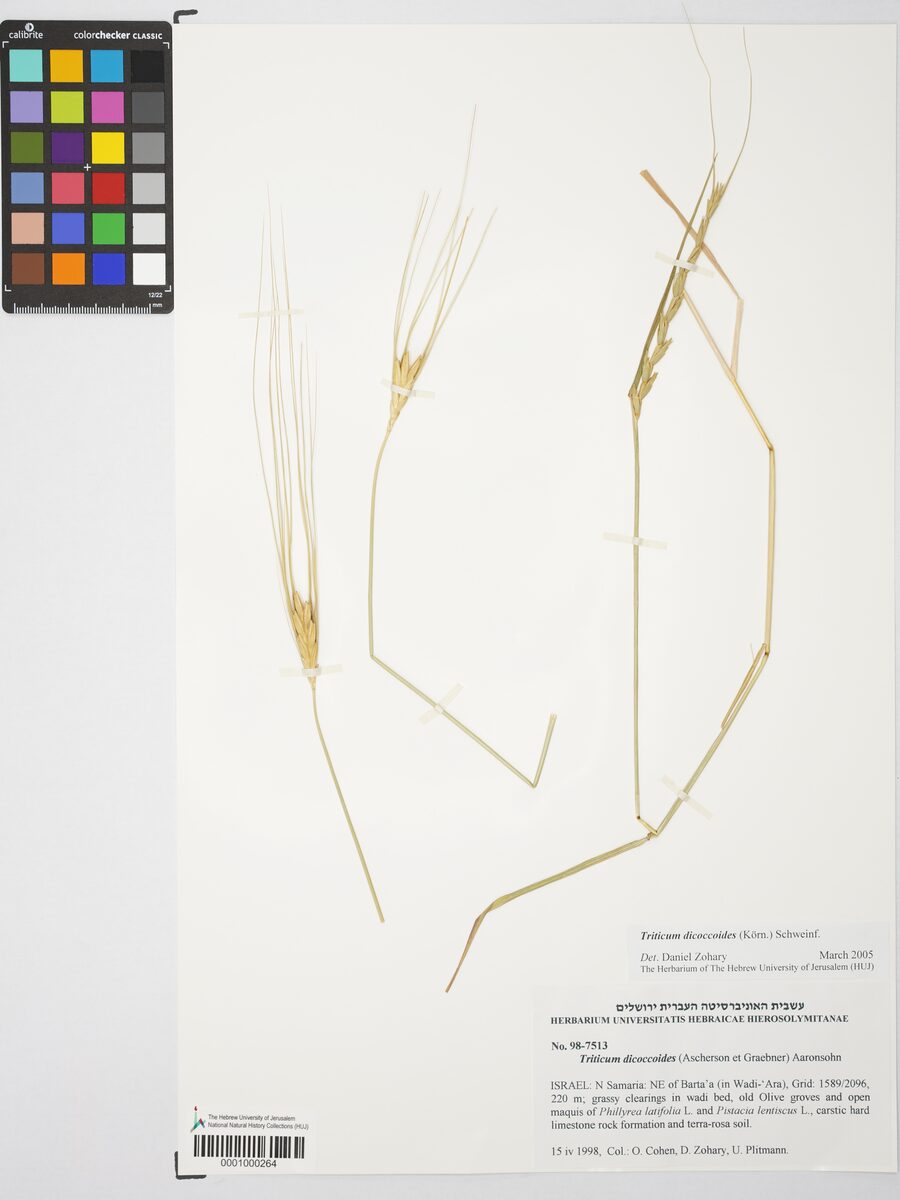
Triticum turgidum dicoccoides - (Körn. ex Asch.&Graebn.)Thell.
Wild Emmer