Alternanthera bettzickiana
(Regel) G. Nicholson
Border plant, Calico plant
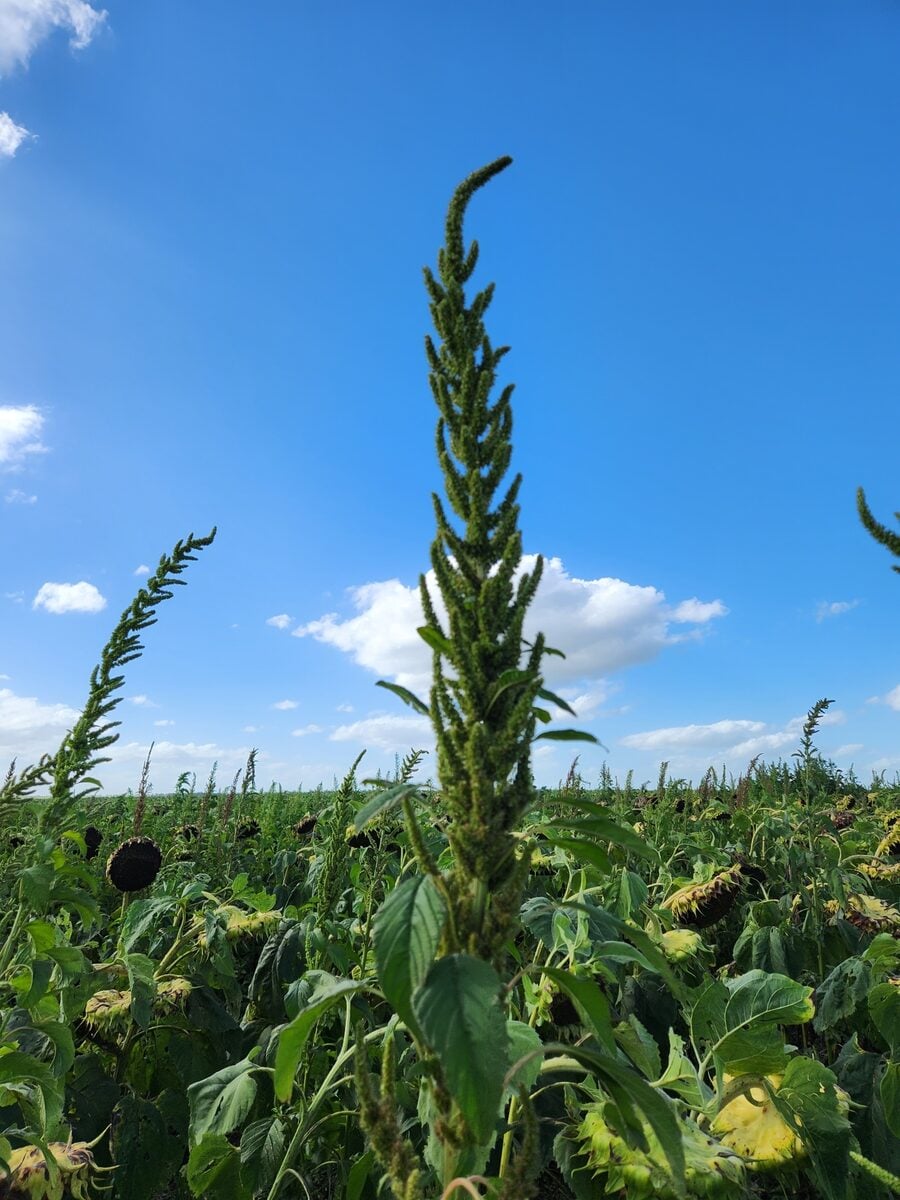
iNaturalist· cc-by
(c) chiuluan, some rights reserved (CC BY), uploaded by chiuluan
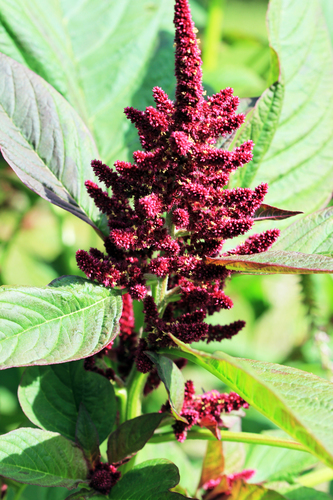
iNaturalist· cc-by
(c) chiuluan, some rights reserved (CC BY), uploaded by chiuluan
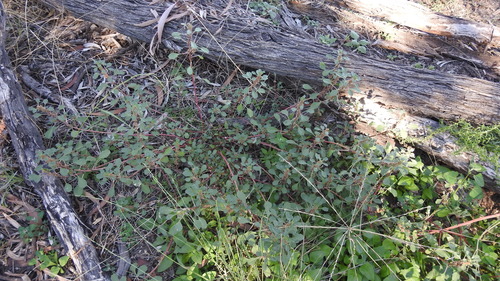
iNaturalist· cc-by
(c) chiuluan, some rights reserved (CC BY), uploaded by chiuluan
Summary
Source: WikipediaAlternanthera bettzickiana, commonly known as calico-plant, is a species of flowering plant in the family Amaranthaceae. It is commonly used as an ornamental edging plant. Native to South America, its cultivar 'Red' is similar in appearance to some of the Alternanthera dentata and Alternanthera brasiliana varieties.
Description
A herb. It keeps growing from year to year. It can be erect or lie over and can form tillers at the base. It grows 20-50 cm high. It is branched and can form roots at the nodes. The stems are knobbly and swollen at each node. The young stems are angular. The leaves are opposite and entire. They are oval and have a tip at the end. They narrow to the base. The flowers are white and in round clusters. They have white bracts. The fruit is a thin walled capsule. There is one seed.
Edible Uses
The young leaves are eaten cooked, either alone or mixed with other vegetables. Leaves are sold in local markets and can also be prepared as tea.
Traditional Uses
The young leaves are eaten cooked. They are also mixed with other vegetables.
This uses section is brief — help expand it
Medicinal Uses
The cooked vegetable is given to anaemic children in order to improve their health.
Distribution
It is a tropical plant. It grows from the lowlands to the mountains.
Where It Grows
Africa, America, Asia, Australia, Brazil, China, East Africa, Ecuador*, Fiji, India, Indonesia, Marquesas, Mozambique, Pacific, Rotuma, Rwanda, SE Asia, South America*, Tanzania, Thailand, Uganda,
Cultivation
Plants can be grown from seeds. It can be grown from cuttings and suckers.
Propagation
Seed - Cuttings
Other Uses
The plant has an extensive root system and is cultivated in plantations as a ground cover and to prevent soil erosion. The plant can be trimmed and grown as a low hedge.
Production
Leaves are collected during the rainy season. Leaves can be dried and stored.
Other Information
Leaves are sold in local markets. It is a cultivated plant.
Synonyms
Also Known As
Bayam merah, Bayem bang, Bayem merah, Cherucheera, Fiban discancel, Hóng mù ěr, Ira panka, Kuchi kul, Madranga, Mchicha, Michicha maua, Ponnankanni keerai
References (8)
- Arinathan, V., et al, 2007, Wild edibles used by Palliyars of the western Ghats, Tamil Nadu. Indian Journal of Traditional Knowledge. 6(1) pp 163-168
- Li, D. et al, 2017, Ethnobotanical survey of herbal tea plants from the traditional markets in Chaoshan, China. Journal of Ethnopharmacology. 205 (2017) 195-206
- Narayanan Ratheesh, M. K. et al, 2011, Wild edible plants used by the Kattunaikka, Paniya and Kuruma tribes of Wayanad District, Kerala, India. Journal of Medicinal Plants Research Vol. 5(15), pp. 3520-3529
- Ochse, J.J. et al, 1931, Vegetables of the Dutch East Indies. Asher reprint. p 12 (As Alternanthera amoena)
- Ruffo, C. K., Birnie, A. & Tengnas, B., 2002, Edible Wild Plants of Tanzania. RELMA p 124 (As Alternanthera tenella var. bettzickiana)
Show all 8 references Hide references
- Sinha, R. & Lakra, V., 2007, Edible weeds of tribals in Jharkhand, Orissa and West Bengal. Indian Journal of Traditional Knowledge 6(1) January 2007 pp 217-222 (As Alternanthera amoena)
- Torre, de la L., et al, 2008, Enciclopedia de las Plantas Útiles del Ecuador. Herbario QCA. Pontificia Universidad Católica del Ecuador. p 151
- www.eFloras.org Flora of China