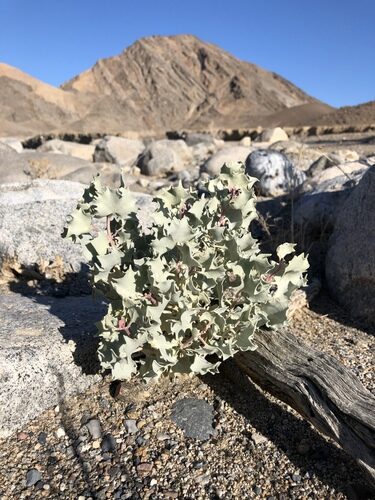
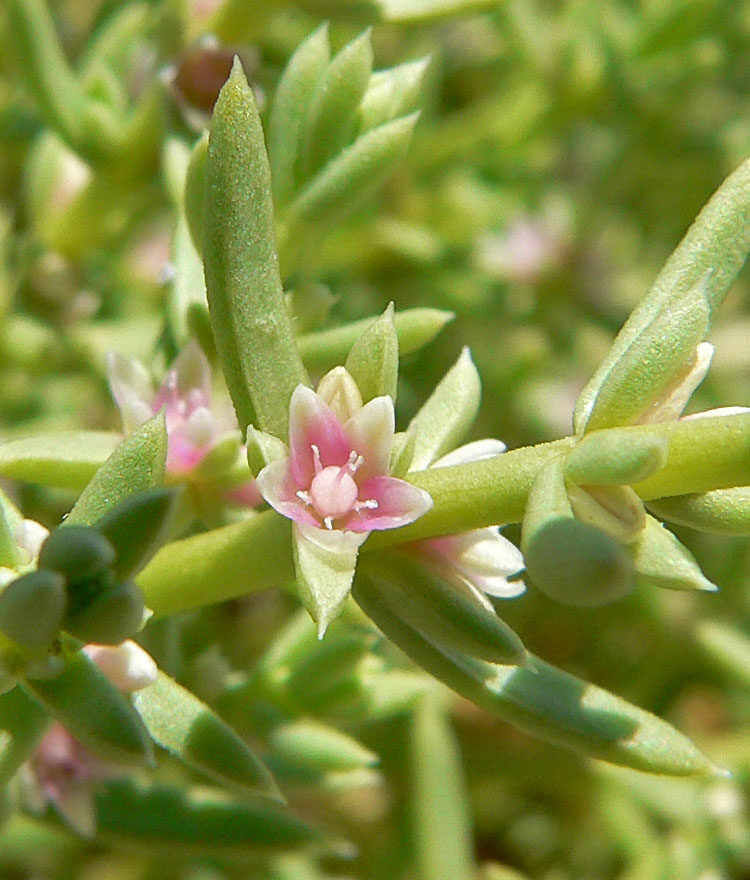
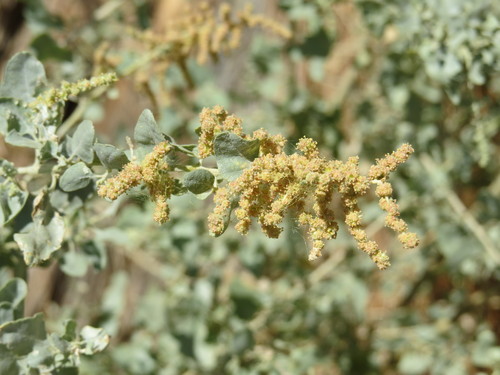
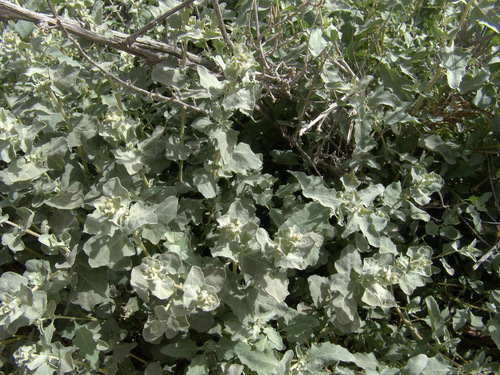
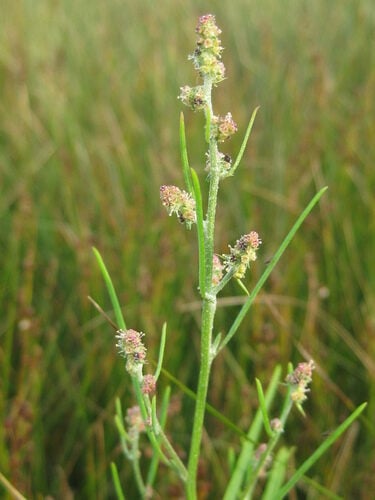
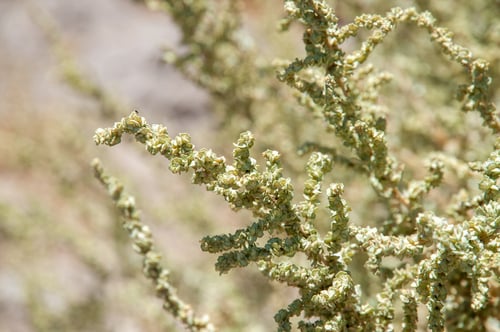
Alternanthera brasiliana
(L.) Kuntze
Brazil chaff-flower, Brazilian joyweed
iNaturalist· cc-by-nc
(c) c_moniq, some rights reserved (CC BY-NC)
iNaturalist· cc-by-nc
(c) chelina batista, some rights reserved (CC BY-NC), uploaded by chelina batista
iNaturalist· cc-by-nc
(c) esophiea, some rights reserved (CC BY-NC), uploaded by esophiea
Summary
Source: WikipediaAlternanthera brasiliana, also known as large purple alternanthera, metal weed, bloodleaf, parrot leaf, ruby leaf, Brazilian joyweed, purple alternanthera, purple joyweed, is a flowering plant of the amaranth family that is native to the forests of South America and as well as Central America, ranging from northeastern Mexico to northeastern Argentina. It is grown as an ornamental plant. Alternanthera brasiliana var. villosa, a variety known as little ruby or ruby leaf alternanthera, is also known by the synonym Alternanthera dentata.
Description
A herb. It grows about 60-150 cm high. It is branched. It has swollen nodes. Young leaves are hairy. The leaves are oval to sword shaped and 5-12.5 cm long by 1.5-4.7 cm wide. The leaves can be red. The flowers are in a group at the top of the plant. These are 2-16 cm long. The flowers are in heads 1 cm long. The seeds are red or brown.
Edible Uses
The leaves are cooked and eaten, and also used to make tea.
Traditional Uses
The leaves are cooked and eaten.
This uses section is brief — help expand it
Medicinal Uses
The plant is said to be aphrodisiac. The plant could be useful as an antiviral agent. The leaf juice is squeezed into vinegar and drunk as a refreshing, antidiarrhoeic infusion.
Distribution
It is a tropical plant.
Where It Grows
Africa, Asia, Benin, Brazil*, Caribbean, Dominica, Guiana, Guianas, Guyana, Hawaii, India, Marquesas, Pacific, South America*, Suriname, Tuvalu, Venezuela, West Africa,
Cultivation
Grows best in a sunny position. Succeeds in most well-drained but moderately moist soils. The plant often self-seeds in the garden and can become weedy. The stems of the plant, when discarded, can form roots and develop into a new plant. It has escaped from cultivation and become naturalized in some areas. Plants can flower all year round.
Propagation
Seed - it can remain dormant in the soil for a long time.
Other Information
It is only a minor vegetable. It is cultivated.
Synonyms
Also Known As
Caaponga, Choracheera, Chorakkerai, Djetandoye, Fleuman, Olowon'djedja, Purple alternanthera, Radie di vin, Radie marie-claire, Raziet di vin, Tomandohoundgbe
References (8)
- Achigan-Dako, E, et al (Eds), 2009, Catalogue of Traditional Vegetables in Benin. International Foundation for Science.
- Achigan-Dako, E. G., et al, (Eds.), 2010, Traditional vegetables in Benin. Institut National des Recherches Agricoles du Bénin. Imprimeries du CENAP, Cotonou.
- Dansi, A., et al, 2008, Traditional leafy vegetables and their use in the Benin Republic. Genet Resour Crop Evol (2008) 55:1239–1256
- Flora of the Guianas.
- Kermath, B. M., et al, 2014, Food Plants in the Americas: A survey of the domesticated, cultivated and wild plants used for Human food in North, Central and South America and the Caribbean. On line draft. p 47
Show all 8 references Hide references
- Koukou, E., et al, 2022, Local knowledge of agricultural biodiversity and food uses in two agroecological zones of southern Benin. Ethnobotany Research and Applications 23:29 (2022) p 6
- Narayanan Ratheesh, M. K. et al, 2011, Wild edible plants used by the Kattunaikka, Paniya and Kuruma tribes of Wayanad District, Kerala, India. Journal of Medicinal Plants Research Vol. 5(15), pp. 3520-3529
- Thaman, R. R, 2016, The flora of Tuvalu. Atoll Research Bulletin No. 611. Smithsonian Institute p 60