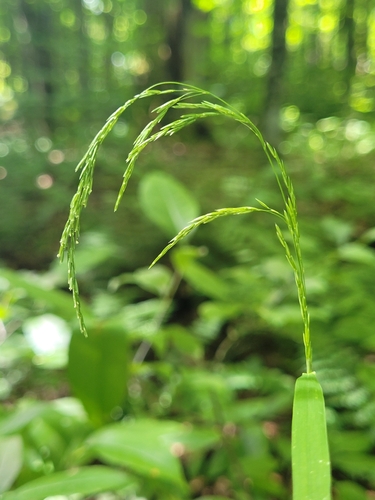
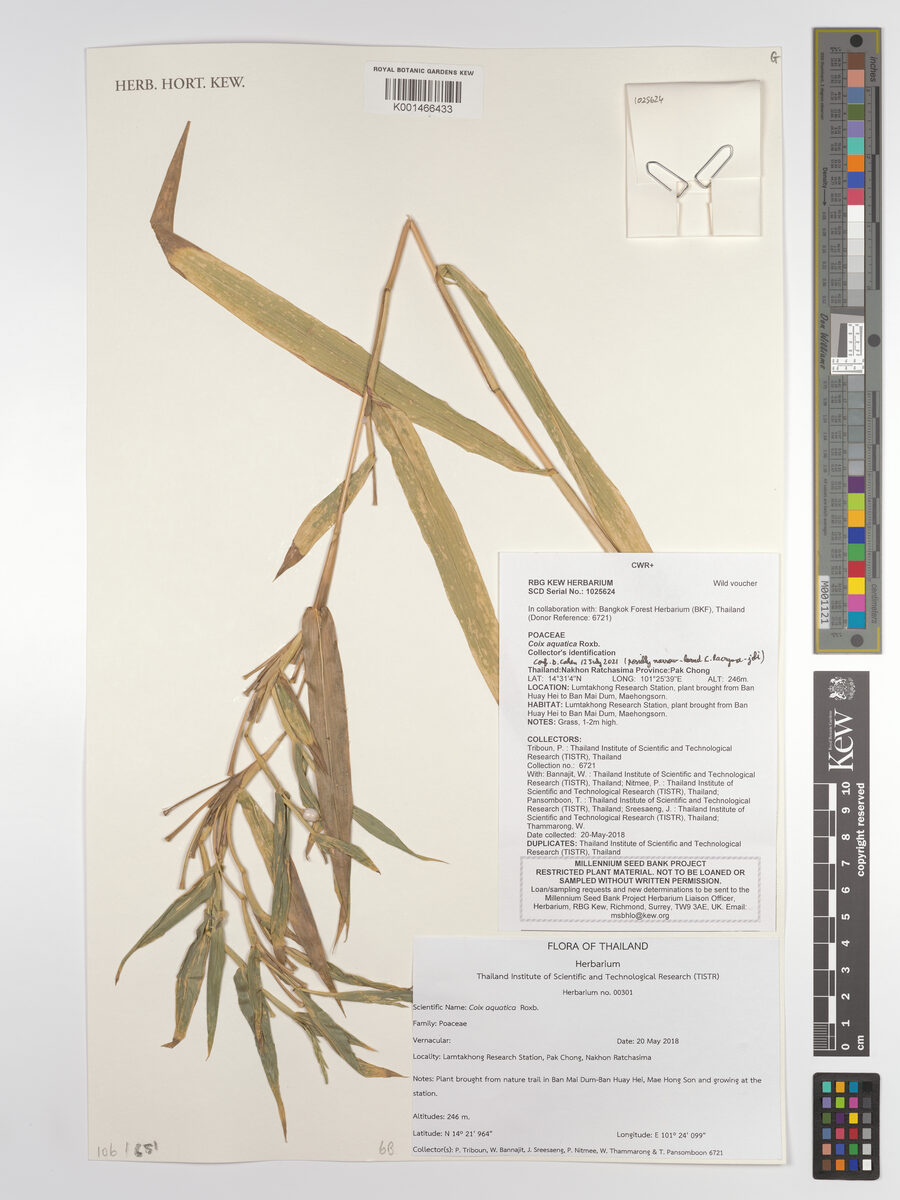
Saccharum bengalense
Retz.
Penreed grass, Pin reedgrass
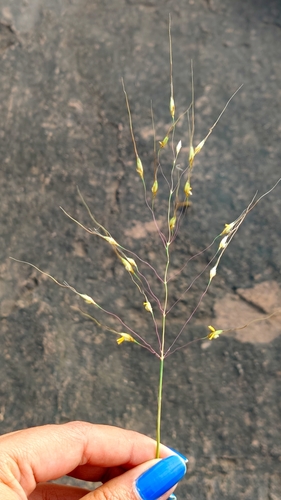
iNaturalist· cc-by-nc
(c) parul27, some rights reserved (CC BY-NC)
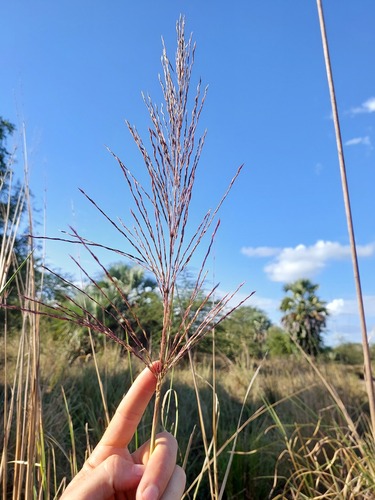
iNaturalist· cc-by-nc
(c) parul27, some rights reserved (CC BY-NC)
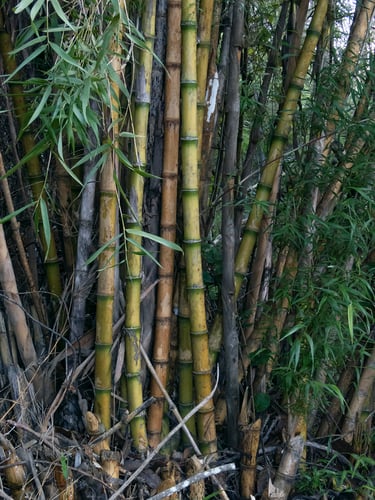
iNaturalist· cc-by-nc
(c) parul27, some rights reserved (CC BY-NC)
Description
A tall grass. It can be 5 m tall. The leaf blades are rough. The flower panicle is 80 cm long and narrow. There are dense silvery spikelets.
This description is brief — help expand it
Edible Uses
The species is used as a raw material for thatching roofs. It is used for making baskets. Its fibre is used for making ropes. Itis one of the ecologically successful native colonizer of abandoned mines. It forms pure patches on rocky habitats with skeletal soils. It forms extensive root network that binds the soil/pebbles and forms tall thick clumps with high biomass tufts. It is used by low income locals for making ropes, hand fans, baskets, brooms, mat, hut and shields for crop protection. It is a choice species for stabilizing erosion-prone rugged slopes and their conversion into biologically productive sites of high socio-economic values.
Traditional Uses
The pith of the upper end of the stems is eaten.
This uses section is brief — help expand it
Distribution
It is a subtropical plant.
Where It Grows
Afghanistan, Asia, India, Iran, Middle East, Myanmar, SE Asia,
Other Information
It is a famine food.
Synonyms
Also Known As
Eker, Ekra, Hpyu-sar-myet, Munj, Seerky, Sirki, Sirky, Surkunda, Surput, Tassel grass
References (2)
- Fl. ind. 1:249. 1820 (As Saccharum sara)
- Hedrick, U.P., 1919, (Ed.), Sturtevant's edible plants of the world. p 586 (As Saccharum sara)