Setaria vulpiseta
(Lam.) Roem. & Schult.
iNaturalist· cc-by-nc
(c) Liu Idárraga Orozco, some rights reserved (CC BY-NC), uploaded by Liu Idárraga Orozco
iNaturalist· cc-by-nc
(c) Liu Idárraga Orozco, some rights reserved (CC BY-NC)
Summary
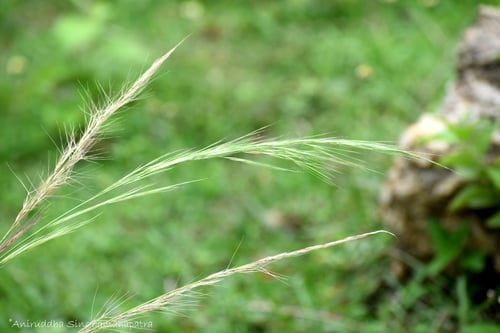
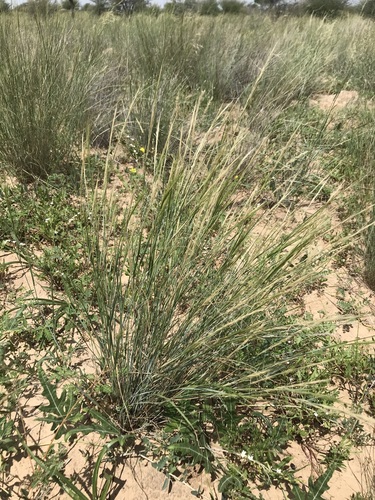
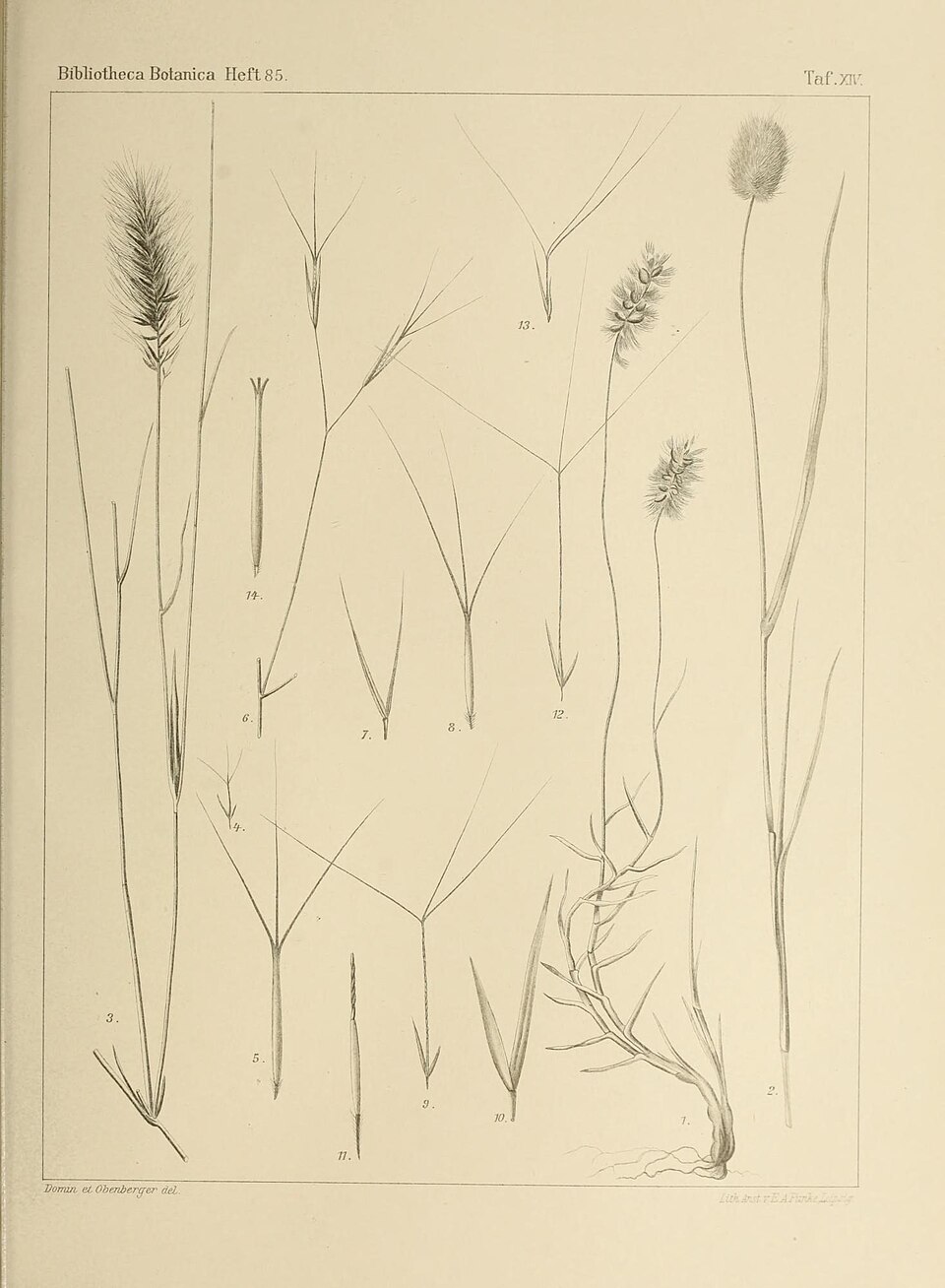
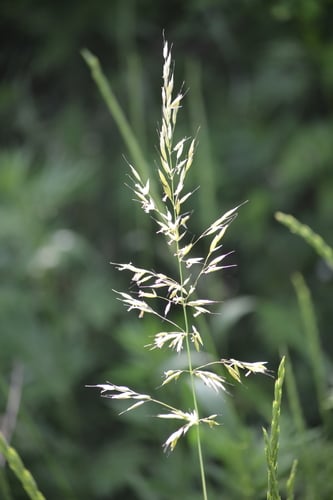
Source: WikipediaSetaria vulpiseta is a species of grass known by the common name plains bristlegrass. It is native to North America, where it occurs in Texas to Colorado to Arizona in the United States and northern and central Mexico. This perennial grass grows up to 3 to 4 feet tall. It is yellow in color when mature. The hairy leaves are up to 10 inches long and have a ligule of hairs. The inflorescence is up to 5 inches long and is very narrow. This grass is a common forage in the American southwest. It is good grazing for livestock. The seed provides food for wildlife. Its natural habitat is dry rangeland as well as low plains that receive flooding.
Description
A herb. It is a grass that keeps growing from year to year. It grows 50-150 cm above sea level. The stalks are 2-3 mm across. The leaves are 15-30 cm long by 1-3 cm wide.
Edible Uses
The seeds are eaten and used in porridges as a cereal.
Traditional Uses
The seeds are eaten and used in porridges.
This uses section is brief — help expand it
Distribution
It grows in subtropical places. It grows in dry soils. It can grow in arid places. In Argentina it grows from sea level to 3,000 m above sea level.
Where It Grows
Africa, Argentina, Barbados, Brazil, Caribbean, Central America, Dominican Republic, Guiana, Guianas, Guyana, Haiti, Kenya, Mexico, Nicaragua, North America, Paraguay, South America*, Suriname, Uruguay, USA, Venezuela, West Indies,
Synonyms
Also Known As
Pajita tempranera
References (2)
- Royal Botanic Gardens, Kew (1999). Survey of Economic Plants for Arid and Semi-Arid Lands (SEPASAL) database. Published on the Internet; http://www.rbgkew.org.uk/ceb/sepasal/internet [Accessed 4th June 2011]
- World Checklist of Useful Plant Species 2020. Royal Botanic Gardens, Kew