Rheum compactum
Linn.
Pieplant
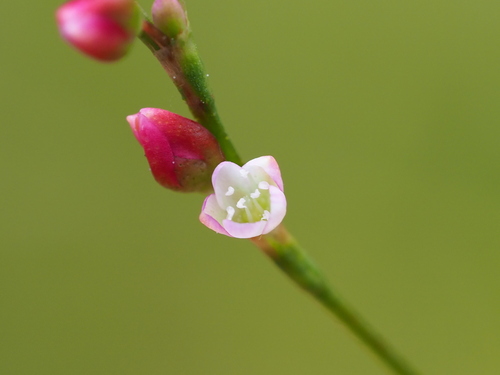
iNaturalist· cc-by-nc
(c) kholboevas, some rights reserved (CC BY-NC)
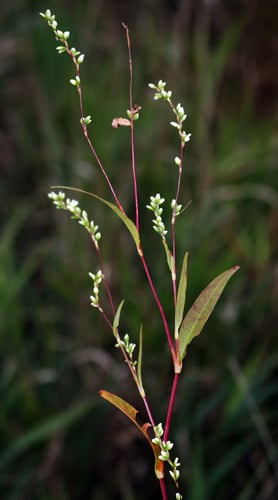
iNaturalist· cc-by-nc
(c) Алексей Эбель, some rights reserved (CC BY-NC)
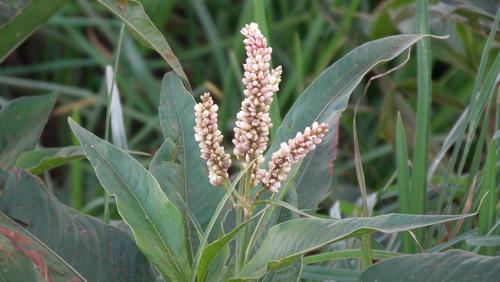
iNaturalist· cc-by-nc
(c) andrew1974, some rights reserved (CC BY-NC)
Summary
Rheum compactum is a compact perennial reaching 0.5 m tall, hardy to UK zone 6. Flowers appear July to August with seeds ripening August to September. Wind-pollinated hermaphrodite flowers develop on this species. It grows in medium loamy and heavy clay soils with good drainage, adapts to various pH levels, tolerates semi-shade, and prefers moist soil.
Description
A large herb. It grows 1 m tall. The rhizomes and roots are dark brown and stout. The stems are erect and hollow.
This description is brief — help expand it
Edible Uses
The leaf stem is cooked and has a tart flavour, making it a suitable substitute for rhubarb.
Medicinal Uses
None known
Known Hazards
Although no specific mention has been seen for this species, the leaves of some if not all members of this genus contain significant quantities of oxalic acid and should not be eaten in any quantity. Oxalic acid can lock up certain minerals in the body, especially calcium, leading to nutritional deficiency. The content of oxalic acid will be reduced if the plant is cooked. People with a tendency to rheumatism, arthritis, gout, kidney stones or hyperacidity should take especial caution if including this plant in their diet since it can aggravate their condition.
Distribution
It grows at about 2,000 m above sea level.
Where It Grows
Asia, Central Asia, China, Europe, France, Kazakhstan, Mongolia, Russia, Siberia,
Cultivation
Prefers a deep, fertile, moderately heavy, humus rich, moisture retentive, well-drained soil in sun or semi-shade. Grows well in heavy clay soils. Hardy to about -20°c. Plants in this genus seem to be immune to the predations of rabbits. Hybridizes freely with other members of this genus.
Propagation
Seed is best sown in autumn in a shaded cold frame, though it can also be sown in spring in a cold frame. Prick seedlings into individual pots when large enough to handle and grow on in a greenhouse or cold frame through their first winter, planting out in spring. Division can be carried out in early spring or autumn by splitting the rootstock with a sharp spade or knife, ensuring at least one growth bud per division. Larger divisions can go directly into permanent positions, while smaller divisions are better potted up and grown on in light shade in a cold frame until well established, then planted out in late spring or early summer.
Other Uses
None known
References (4)
- Flora of China @ efloras.org Volume 5
- Hedrick, U.P., 1919, (Ed.), Sturtevant's edible plants of the world. p 556
- Ryabushkina, N., et al, 2008, Brief Review of Kazakhstan Flora and Use of its Wild Species. The Asian and Australasian Journal of Plant Science and Biotechnology
- Sp. pl. ed. 2, 1:531. 1762