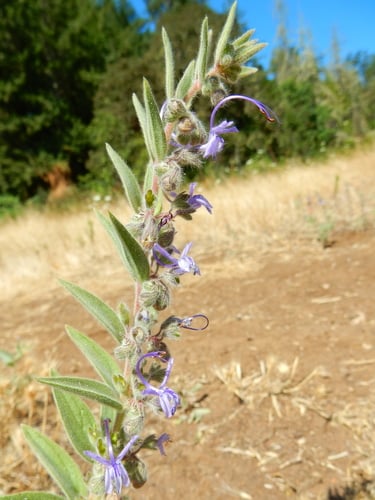
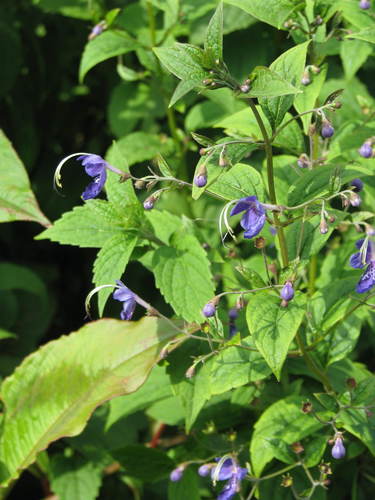
Micromeria juliana
(L.) Benth. ex Rchb.
Savory, Ussopo, Pesalem
iNaturalist· cc-by-nc
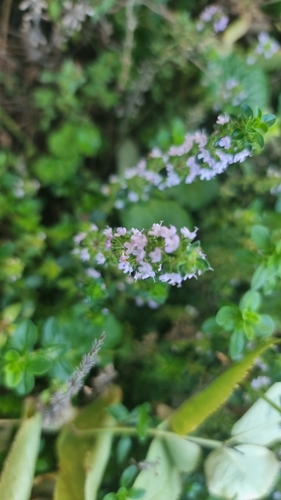
(c) Anton Gjeldum, some rights reserved (CC BY-NC), uploaded by Anton Gjeldum
iNaturalist· cc-by
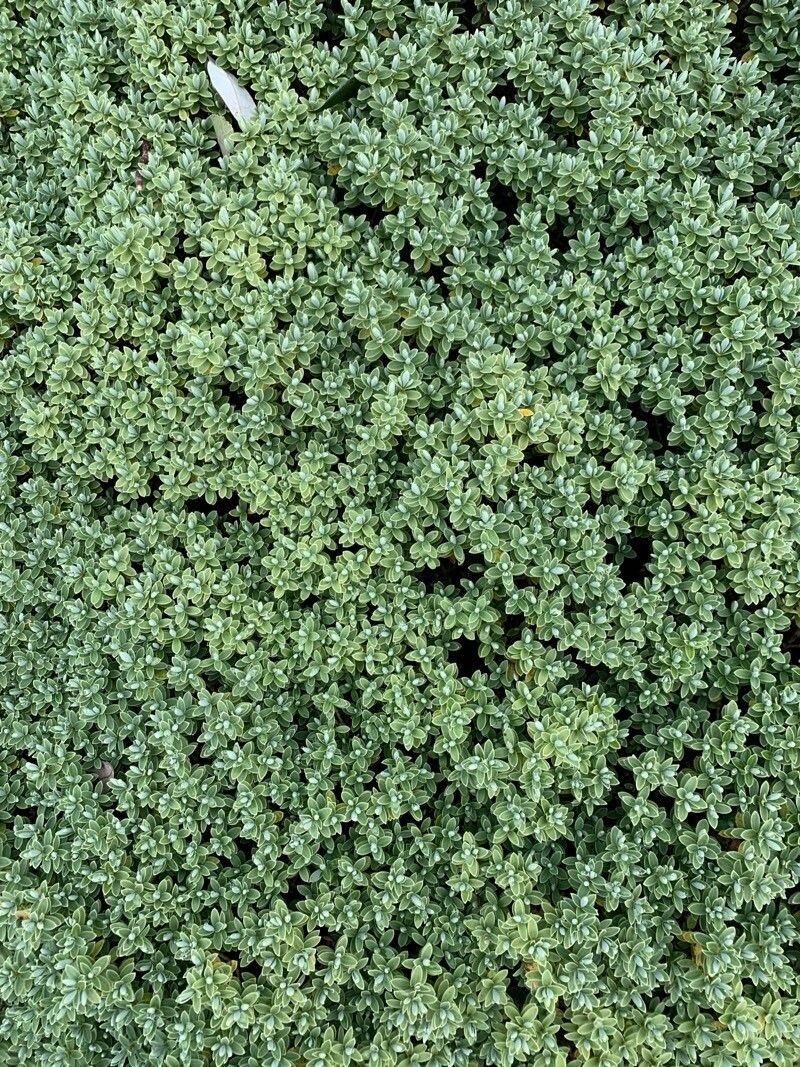
(c) zebedeugalinha, some rights reserved (CC BY)
iNaturalist· cc-by-nc
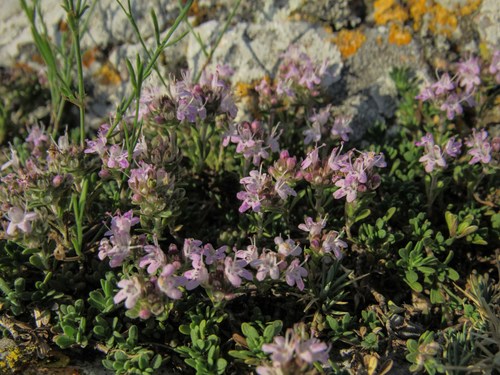
(c) Joey Bom, some rights reserved (CC BY-NC)
Summary
A deciduous shrub reaching 0.3m tall and wide, hardy to UK zone 7. Flowers June to August with seeds ripening August to September. Hermaphroditic and insect-pollinated. Tolerates light sandy and medium loamy soils, prefers well-drained conditions, and grows in mildly acid to basic soils. Requires full sun and adapts to dry or moist soil.
Description
A deciduous shrub reaching 0.3m tall and wide, hardy to UK zone 7. Flowers June to August with seeds ripening August to September. Hermaphroditic and insect-pollinated. Tolerates light sandy and medium loamy soils, prefers well-drained conditions, and grows in mildly acid to basic soils. Requires full sun and adapts to dry or moist soil.
Edible Uses
The leaves are used as a food flavouring and serve as a substitute for savory (Satureia spp.).
Traditional Uses
The leaves are used for flavouring and as a substitute for savory.
This uses section is brief — help expand it
Medicinal Uses
Used in the treatment of kidney and bladder ailments. Has diuretic properties.
Distribution
It is a Mediterranean climate plant. It suits hardiness zone 7-9.
Where It Grows
Britain, Crete, Europe, Greece, Italy, Mediterranean, Sicily, Turkey, Türkiye,
Propagation
Sow seed in spring in a greenhouse. Prick seedlings into individual pots once large enough to handle and grow on under glass for their first winter. Plant out in late spring or early summer after the last expected frosts. Take cuttings of half-ripe wood with a heel in July or August and root in a frame.
Other Uses
No known other uses.
Synonyms
Also Known As
Topuk çayı
References (2)
- Ertug, F, Yenen Bitkiler. Resimli Türkiye Florası -I- Flora of Turkey - Ethnobotany supplement
- Pasta, S., et al, 2020, An Updated Checklist of the Sicilian Native Edible Plants: Preserving the Traditional Ecological Knowledge of Century-Old Agro-Pastoral Landscapes. Frontiers in Plant Science. Volume 11|Article 388