Thymus zygis
L.
Sauce thyme
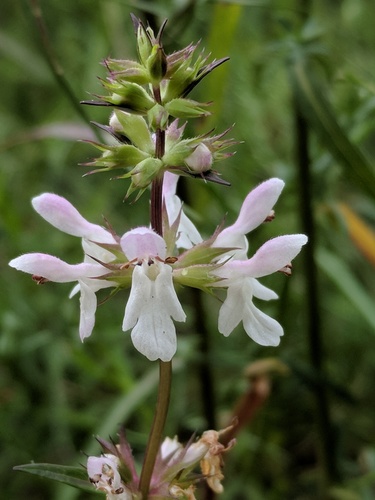
iNaturalist· cc-by-nc
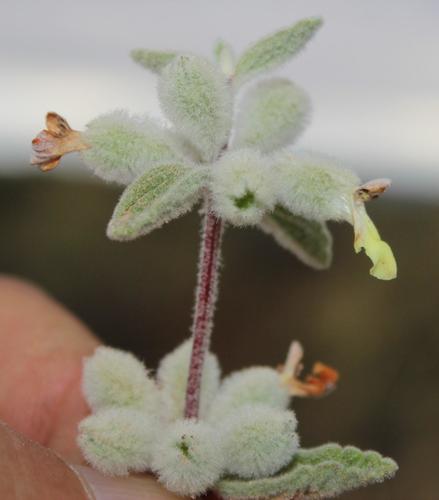
(c) Helder Alves, some rights reserved (CC BY-NC), uploaded by Helder Alves
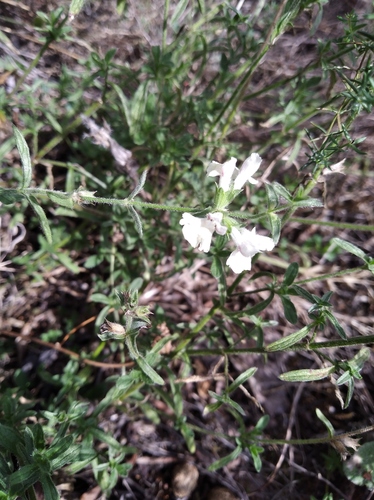
iNaturalist· cc-by-nc
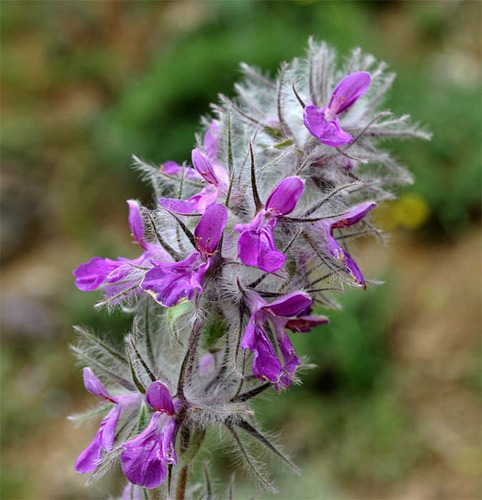
(c) Daniel Gaona Carrilero, some rights reserved (CC BY-NC), uploaded by Daniel Gaona Carrilero
Summary
Source: WikipediaThymus zygis is a type of flowering plant in the family Lamiaceae native to the Iberian Peninsula and northern Morocco.
Description
Thymus zygis is a compact evergreen shrub reaching 0.3 m (1 ft) tall with a medium growth rate. Hardy to UK zone 7. The plant is self-fertile and hermaphroditic, attracting insects and wildlife. It thrives in light sandy to medium loamy, well-drained soils with poor to moderate fertility, tolerating mildly acidic, neutral, and basic soil pH. It requires full sun and can tolerate both dry and moist conditions, showing good drought resistance.
Edible Uses
The leaves are used as a culinary condiment. For drying, harvest plants in early and late summer just before the flowers open and dry the leaves quickly.
Traditional Uses
The leaves and flowers are used as a condiment. They are used to flavour meat stews.
This uses section is brief — help expand it
Medicinal Uses
The leaves, and especially their essential oil, are strongly antiseptic, deodorant, and disinfectant. The plant can be used fresh at any time of year, or harvested as it comes into flower and either distilled for the oil or dried for later use.
Known Hazards
None mentioned
Distribution
It is a Mediterranean plant.
Where It Grows
Africa, Europe, Mediterranean, North Africa, Portugal, Spain,
Cultivation
Requires a light well-drained preferably calcareous soil in a sunny position. Succeeds in dry soils. Thymes dislike wet conditions, especially in the winter. A layer of gravel on the soil around them will help protect the foliage from wet soils. Plants are hardy to about -10°c but are best given some protection in the winter, a pane of glass supported above the plant is usually adequate. This species is harvested commercially for its essential oil. The flowers are rich in nectar and are very attractive to honey bees. This is a very difficult genus taxonomically, the species hybridize freely with each other and often intergrade into each other. Thyme is typically harvested in late spring to early summer, just before the plant flowers for the best flavor. Thyme usually flowers in late spring to early summer, generally from June to August (Northern Hemisphere). Thyme is considered a slow to moderate grower, reaching maturity in about 1 to 2 years under optimal conditions.
Propagation
Sow seed in spring in a cold frame, or in autumn in a greenhouse. Surface sow or barely cover the seed, as germination can be erratic. Once seedlings are large enough to handle, prick them out into individual pots and grow on in the greenhouse for at least their first winter. Plant out into permanent positions in late spring or early summer, after the last expected frosts. Divide plants in spring or autumn — larger divisions can go straight into permanent positions, while smaller ones are best potted up and grown on in light shade in a greenhouse or cold frame until established, then planted out in summer or the following spring. Take cuttings of young shoots, 5–8cm with a heel, in May/June in a frame, or half-ripe wood cuttings, 5–8cm with a heel, in July/August in a frame. Layering is also possible.
Other Uses
The essential oil from the leaves is used in perfumery, as a mouthwash, and medicinally. This species is the main commercial source of thyme oil. The plant can be used as a ground cover and attracts pollinators; its aromatic properties may also repel certain pests. The flowers are rich in nectar and pollen. Dense foliage provides food and shelter for herbivores, insects, and small wildlife, and groundcover that protects overwintering invertebrates. The strong aroma acts as a pest confuser in companion planting.
Synonyms
Also Known As
Tomillo aceitunero, Senserino, Tomillo sansero
References (10)
- Aceituno-Mata, L., et al, 2021, The Persistence of Flavor: Past and Present Use of Wild Food Plants in Sierra Norte de Madrid, Spain. Front. Sustain. Food Syst., 11 January 2021
- Facciola, S., 1998, Cornucopia 2: a Source Book of Edible Plants. Kampong Publications, p 138
- Gonzalez, J. A., et al, 2011, The consumption of wild and semi-domesticated edible plants in the Arribes del Duero (Salamanca-Zamora, Spain): an ananalysis of traditional knowledge. Genetic Resources and Crop Evolution 58:991-1006
- Pardo-de-Santayana, M., et al, 2005, The gathering and consumption of wild edible plants in the Campoo (Cantabria, Spain). International Journal of Food Sciences and Nutrition. 56(7): 529-542
- Pardo-de-Santayana, M., et al, 2007, Traditional knowledge of wild edible plants used in the northwest of the Iberian Peninsula (Spain and Portugal): a comparative study. Journal of Ethnobiology and Ethnomedicine 2007, 3:27
Show all 10 references Hide references
- Sp. pl. 2:591. 1753
- Rivera, D. et al, 2006, Gathered Mediterranean Food Plants - Ethnobotanical Investigations and Historical Development, in Heinrich M, Müller WE, Galli C (eds): Local Mediterranean Food Plants and Nutraceuticals. Forum Nutr. Basel, Karger, 2006, vol 59, pp 18–74
- Tardio, J., et al, Ethnobotanical review of wild edible plants in Spain. Botanical J. Linnean Soc. 152 (2006), 27-71
- Wiersema, J. H. & Leon, B., 2013, World Economic Plants. A Standard Reference CRC Press. 2nd Ed. p 686
- World Checklist of Useful Plant Species 2020. Royal Botanic Gardens, Kew