Thymus x citriodorus
(Pers.) Schreb. ex Schweigg. & Korte
Lemon-scented thyme
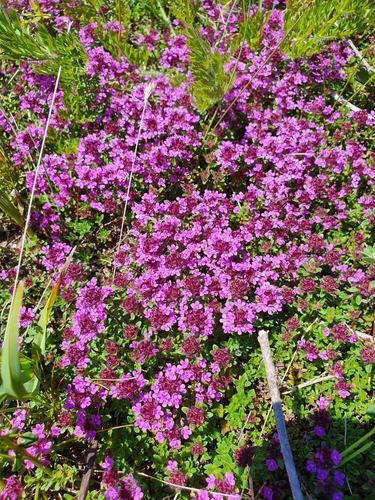
iNaturalist· cc-by
(c) Julien Lepage, some rights reserved (CC BY)
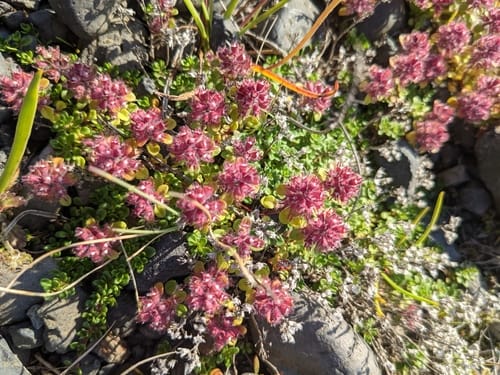
iNaturalist· cc-by-nc
(c) myrix, some rights reserved (CC BY-NC)
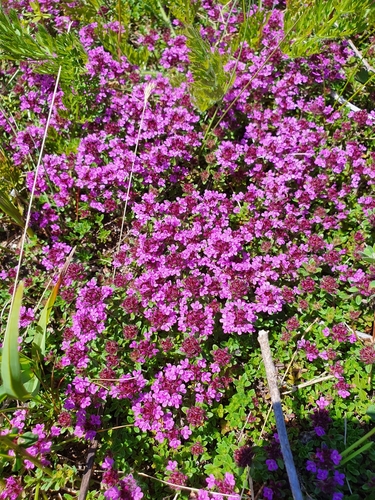
iNaturalist· cc-by-nc
(c) myrix, some rights reserved (CC BY-NC)
Summary
Source: WikipediaThymus x citriodorus is a low evergreen shrub growing 0.1m high and spreading to 0.3m at medium rate. Hardy to UK zone 7 and frost-tolerant, it maintains foliage year-round and flowers July to August. The hermaphroditic plant is self-fertile and pollinated by bees, flies, moths, and butterflies, attracting wildlife. It grows in light sandy or medium loamy, well-drained soil tolerating neutral and mildly alkaline conditions. Requires full sun, adapts to dry or moist soil, and tolerates strong winds but not maritime exposure.
Description
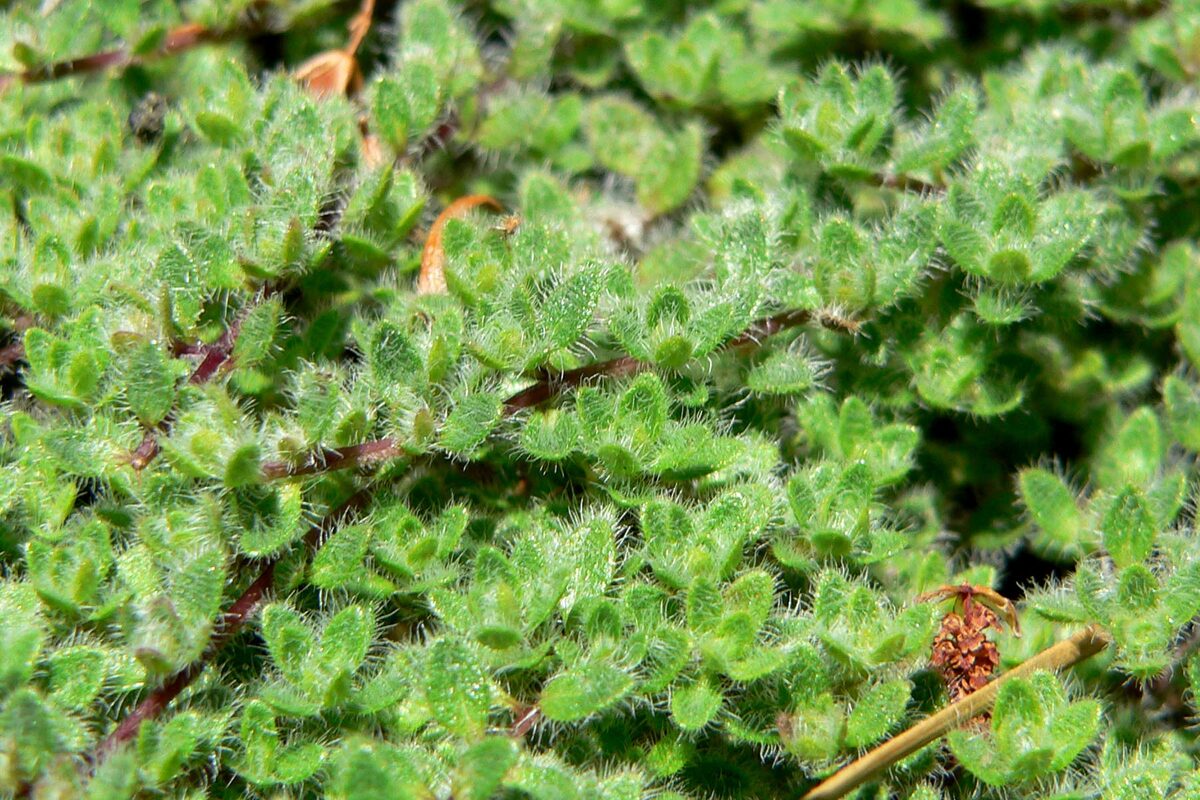
A small herb. It grows 15-30 cm high. It spreads 60 cm wide. The leaves are small and oval or slightly sword shaped. There are some named varieties. The leaves have a lemon taste.
Edible Uses
The leaves can be eaten raw in salads or used to flavour cooked dishes, with a delicious lemon character. For drying, harvest in early and late summer just before the flowers open and dry quickly. The leaves also make an aromatic tea with a pleasant, refreshing lemon-like flavour.
Traditional Uses
The leaves are used to flavour salads, soups, sauces, fish, poultry, cheese desserts and drinks. The leaves are used in an infusion to make tea.
This uses section is brief — help expand it
Medicinal Uses
The leaves, and especially their essential oil, are strongly antiseptic, deodorant, and disinfectant. The plant can be used fresh at any time of year, or harvested as it comes into flower and either distilled for the oil or dried for later use. The leaves contain an antioxidant, and regular use of the raw leaves has been shown to increase average life expectancy by about 10%. The essential oil from this plant is considered less irritant than other thyme oils, and is used in aromatherapy to treat asthma and other respiratory complaints, especially in children.
Distribution
It is a temperate plant. It suits hardiness zones 5-10. Hobart Botanical Gardens.
Where It Grows
Australia, Canada, Europe, North America, Spain, Tasmania,
Propagation
Sow seed in spring in a cold frame, or in autumn in a greenhouse. Surface sow or barely cover the seed, as germination can be erratic. Note that this species is a hybrid and will not breed true from seed. Once seedlings are large enough to handle, prick them out into individual pots and grow on in the greenhouse for at least their first winter. Plant out into permanent positions in late spring or early summer, after the last expected frosts. Divide plants in spring or autumn — larger divisions can go straight into permanent positions, while smaller ones are best potted up and grown on in light shade in a greenhouse or cold frame until established, then planted out in summer or the following spring. Take cuttings of young shoots, 5–8cm with a heel, in May/June in a frame, or half-ripe wood cuttings, 5–8cm with a heel, in July/August in a frame. Layering is also possible.
Other Uses
The essential oil from the leaves and flowering stems is used in perfumery, as a mouthwash, and medicinally. The aromatic leaves are dried for use in pot-pourri and herbal pillows. The plant makes an attractive ground cover for sunny positions — space plants about 30cm apart each way. The flowers are rich in nectar and pollen, attracting bees and butterflies. Dense foliage provides food and shelter for herbivores, insects, and small wildlife, and groundcover that protects overwintering invertebrates. The strong aroma acts as a pest confuser in companion planting.
Other Information
It is cultivated.
Notes
There are between 300 and 400 Thymus species. This is a cross between garden thyme and large wild thyme.
Synonyms
Also Known As
Tomillo
References (9)
- Cheifetz, A., (ed), 1999, 500 popular vegetables, herbs, fruits and nuts for Australian Gardeners. Random House p 159
- Cundall, P., (ed.), 2004, Gardening Australia: flora: the gardener's bible. ABC Books. p 1415
- Facciola, S., 1998, Cornucopia 2: a Source Book of Edible Plants. Kampong Publications, p 137
- Fl. erlang. 2:17. 1811
- Hemphill, I, 2002, Spice Notes. Macmillan. p 392
Show all 9 references Hide references
- Hibbert, M., 2002, The Aussie Plant Finder 2002, Florilegium. p 299
- Kiple, K.F. & Ornelas, K.C., (eds), 2000, The Cambridge World History of Food. CUP p 1869
- Lawton, B.P., 2002, Mints. A Family of Herbs and Ornamentals. Timber Press, Portland, Oregon. p 210
- Wiersema, J. H. & Leon, B., 2013, World Economic Plants. A Standard Reference CRC Press. 2nd Ed. p 686