Mammillaria heyderi subsp. meiacantha
(Engelm.) D. R. Hunt
Ball cactus, Cream cactus, Cream pincushion, Flat cream pincushion, Heyder's nipple cactus, Heyder's pincushion, Nipple cactus, Pancake pincushion, Small-spined cream pincushion
gbif· cc-by-nc
Clifton Ladd, C.W.B.
gbif· cc-by-nc
Jess Beauchemin
gbif· cc-by-nc
rjaffrey
Summary
Source: WikipediaMammillaria heyderi (commonly known as the Little Nipple cactus) is a species of pincushion cactus in the tribe Cacteae. It is endemic to Sonora and Chihuahua in Mexico and New Mexico, Arizona, Texas, and Oklahoma in the United States. Mammillaria heyderi typically grows no more than 1.5 inches above ground and can be hard to spot in winter, when it is nearly below ground level. It is found on dry hillsides and semidesert in lower to middle elevations and is characterized by its covering of short stems growing up to around 8mm high and 4-5mm wide, with up to around 15 spines extending in all directions from the tip of each stem. It is extremely drought resistant and hardy to at least 10 degrees Fahrenheit, and can thrive in different types of dry terrain.
Description
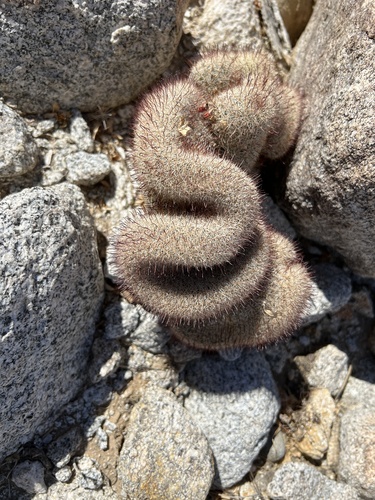
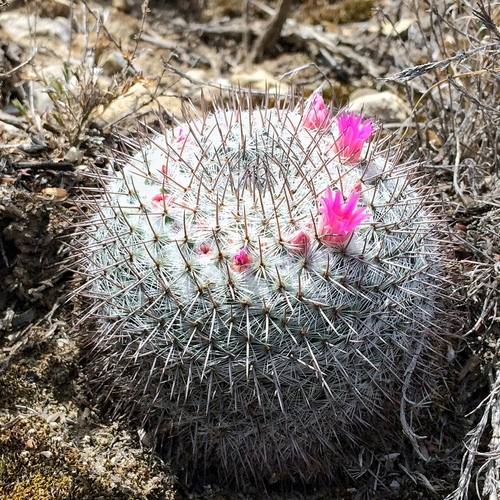
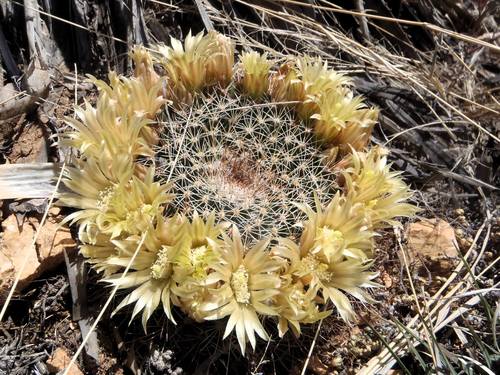
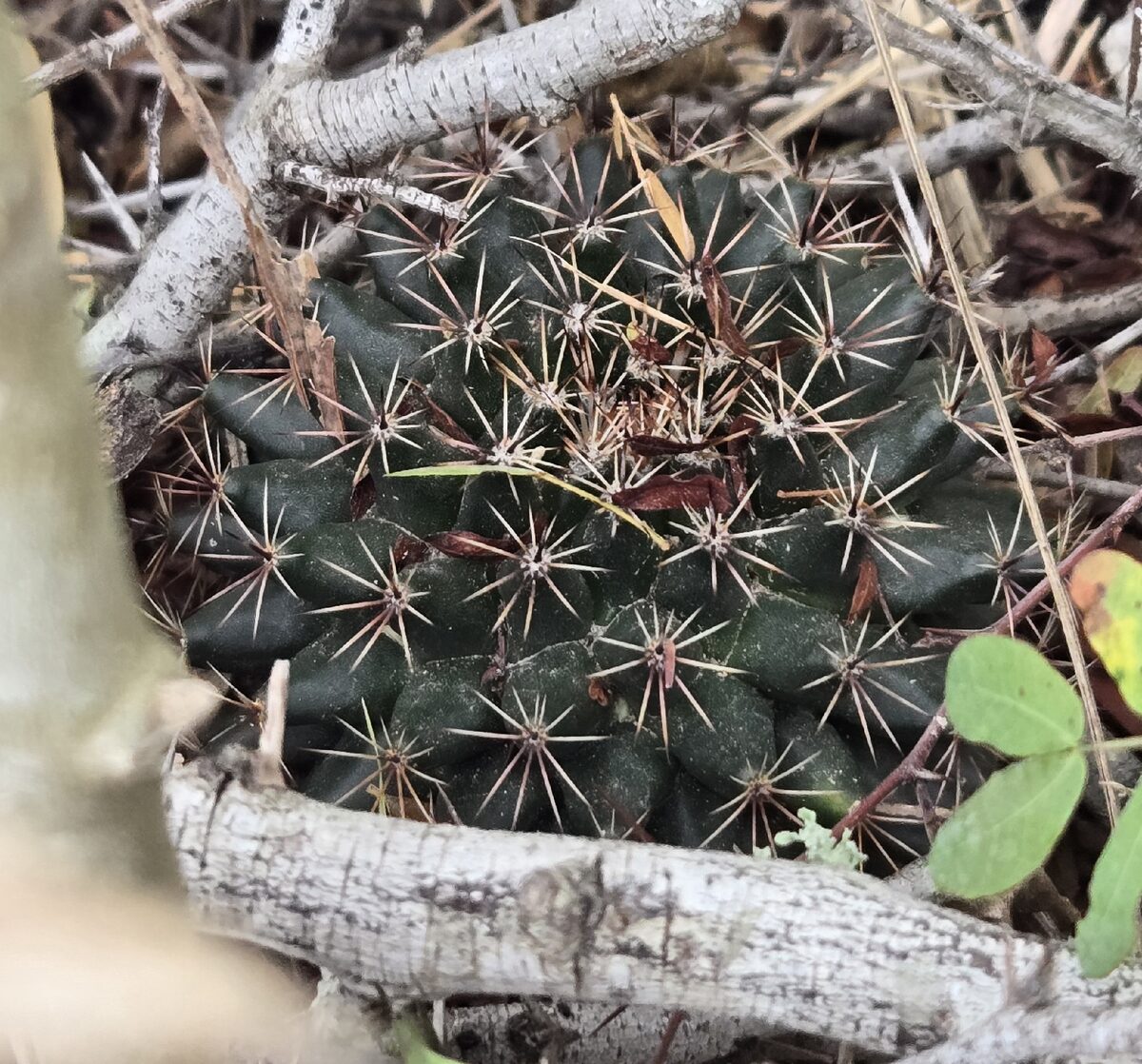
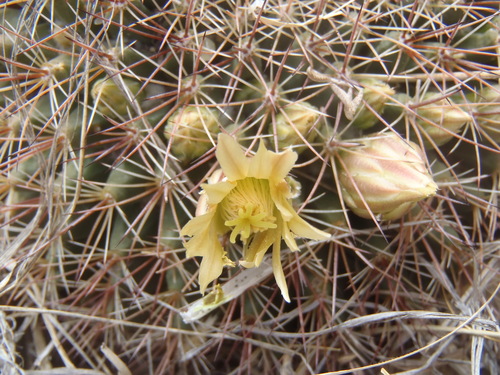
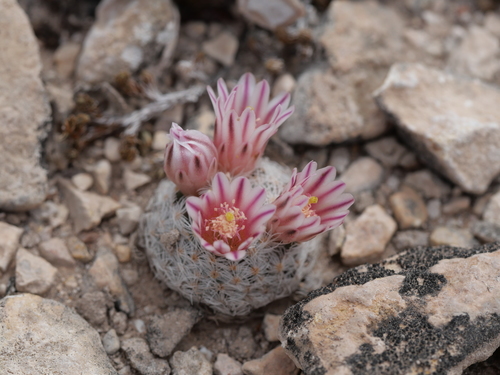
A cactus. The stems are round. They are 5 cm high and 8-12 cm wide. There are 0-1 central spines that are 3-6 mm long. There are 5-9 spines around it. The flowers are pink or white. The fruit are oblong, scarlet berries.
Edible Uses
The fruit are eaten.
Traditional Uses
The fruit are eaten.
This uses section is brief — help expand it
Distribution
It is a subtropical plant. It grows in grasslands and deserts. It can grow in arid places.
Where It Grows
Asia, Australia, Indonesia, Mexico*, North America, SE Asia, USA*,
Cultivation
Plants can be grown from seeds.
Synonyms
Also Known As
Kaktus pentil kecil, Viejito
References (7)
- Anderson, E.F., 2001, The Cactus Family, Timber Press. p 423
- Facciola, S., 1998, Cornucopia 2: a Source Book of Edible Plants. Kampong Publications, p 64 (As Mammillaria meiacantha)
- Hedrick, U.P., 1919, (Ed.), Sturtevant's edible plants of the world. p 400 (As Mammillaria meiacantha)
- Hibbert, M., 2002, The Aussie Plant Finder 2002, Florilegium. p 192
- Kermath, B. M., et al, 2014, Food Plants in the Americas: A survey of the domesticated, cultivated and wild plants used for Human food in North, Central and South America and the Caribbean. On line draft. p 515
Show all 7 references Hide references
- Mammillaria Postscripts 6:10. 1997
- Sukarya, D. G., (Ed.) 2013, 3,500 Plant Species of the Botanic Gardens of Indonesia. LIPI p 1030