Leucopogon fraseri
A. Cunn.
Otago heath, Patotara
iNaturalist· cc-by-nc
(c) Paul Maurice, some rights reserved (CC BY-NC)
iNaturalist· cc-by-nc
(c) tangatawhenua, some rights reserved (CC BY-NC)
iNaturalist· cc-by-nc
(c) tangatawhenua, some rights reserved (CC BY-NC)
Description
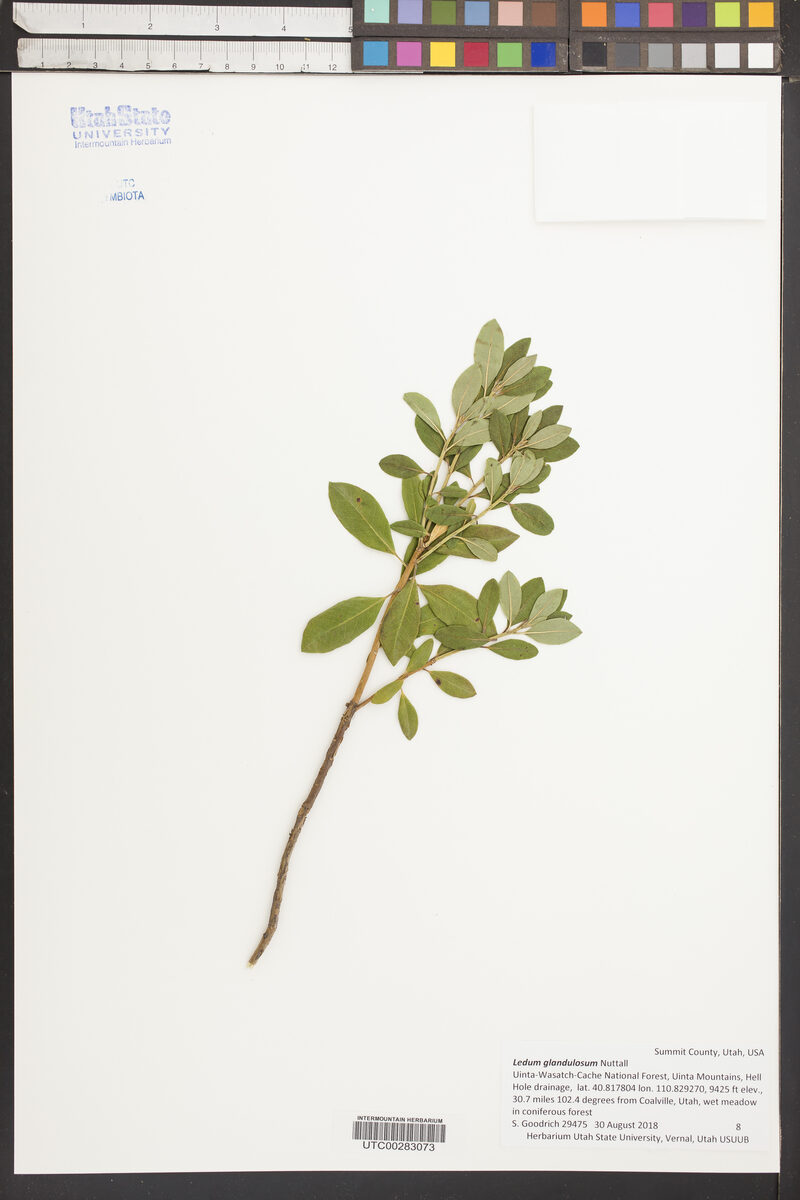
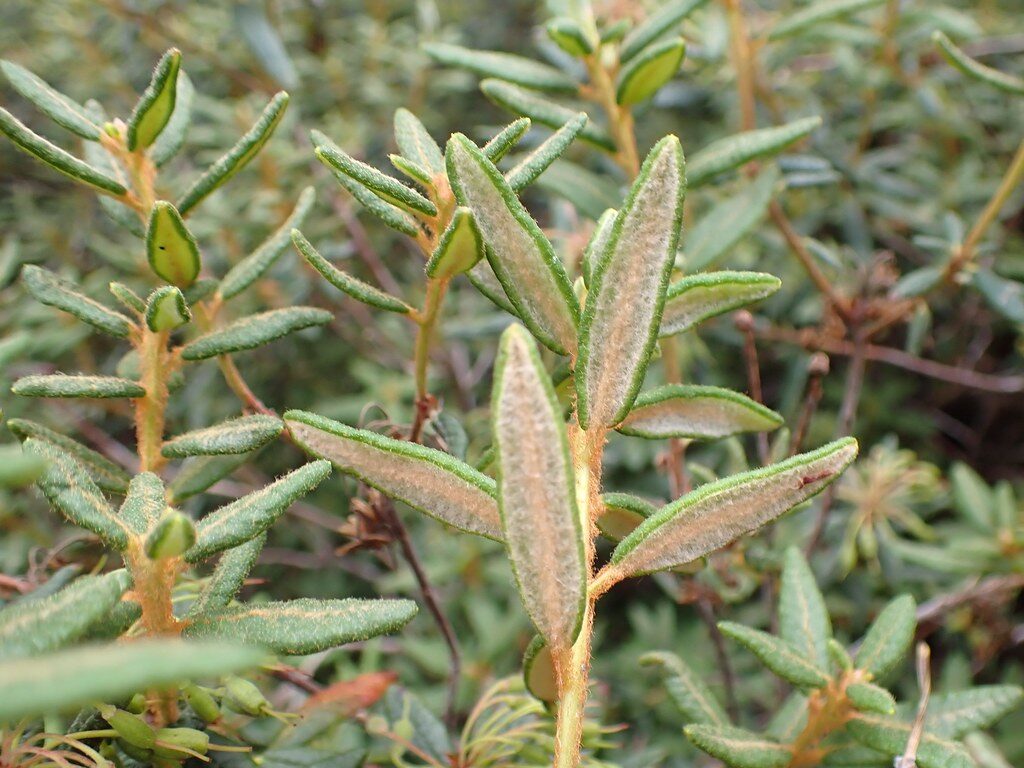
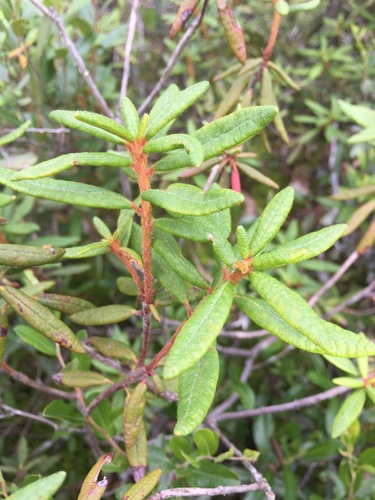
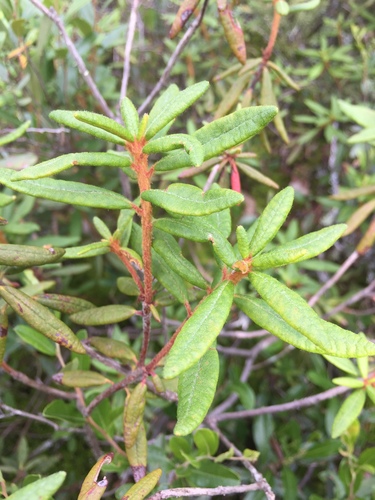
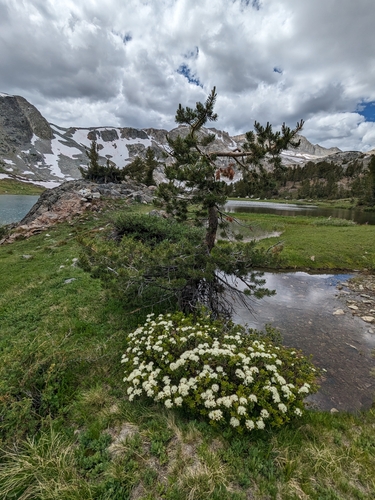
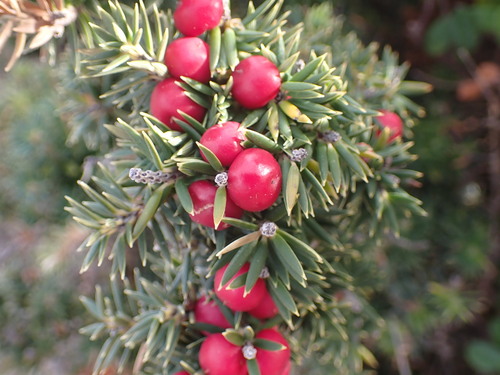
A small shrub. It usually spread over the ground. It can be 15 cm high. The leaves are small and have a smell. The leaves are sharp pointed tips. The flowers are cream to pink. The fruit are round and orange. They are fleshy.
Edible Uses
The round fleshy orange fruit are eaten.
Distribution
It is a warm temperate plant. It suits hardiness zones 8-10. In New Zealand it occurs in dry vegetation at all altitudes.
Where It Grows
Australia, Britain, Europe, New Zealand*, Tasmania,
Cultivation
Plants can be grown from seed. The seed may need cold treatment or long soaking. They can also be grown from layers or tip cuttings.
Notes
There are about 150-230 Leucopogon species. They occur in SE Asia and the Pacific.
Synonyms
Also Known As
Dwarf mingimingi
References (5)
- Crowe, A., 1997, A Field Guide to the Native Edible Plants of New Zealand. Penguin. p 42
- Etherington, K., & Imwold, D., (Eds), 2001, Botanica's Trees & Shrubs. The illustrated A-Z of over 8500 trees and shrubs. Random House, Australia. p 435
- Hedrick, U.P., 1919, (Ed.), Sturtevant's edible plants of the world. p 380
- http://maoriplantuse.landcareresearch.co.nz
- Plants for a Future database, The Field, Penpol, Lostwithiel, Cornwall, PL22 0NG, UK. http://www.scs.leeds.ac.uk/pfaf/ (As Cyathodes fraseri)