Plecostachys serpyllifolia
(Bergius) Hilliard & B.L. Burtt
Hottentot tea
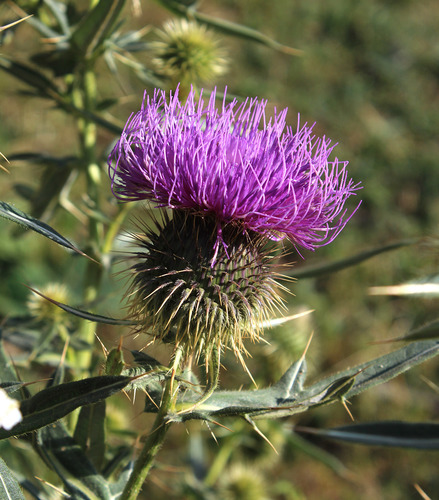
iNaturalist· cc0
no rights reserved, uploaded by Irene
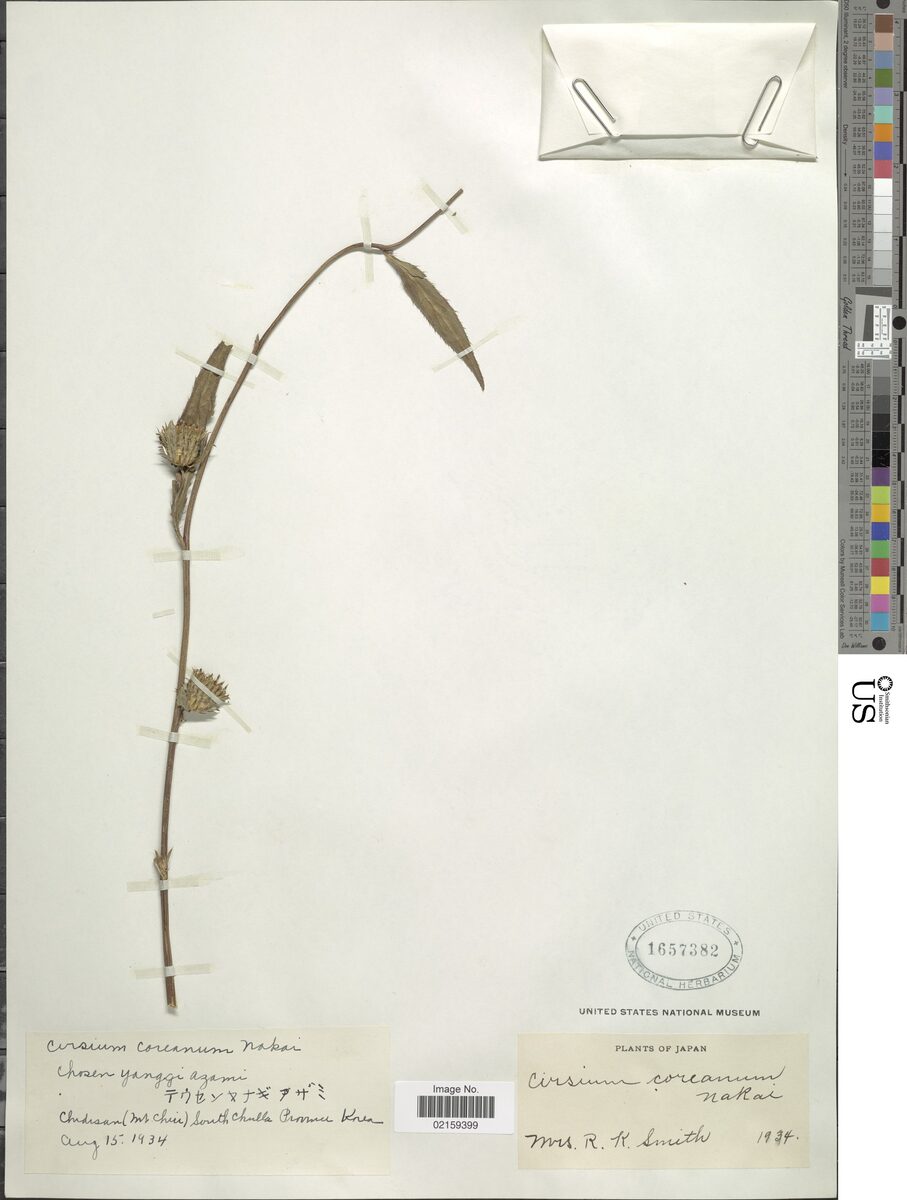
iNaturalist· cc-by-nc
(c) James Bailey, some rights reserved (CC BY-NC), uploaded by James Bailey
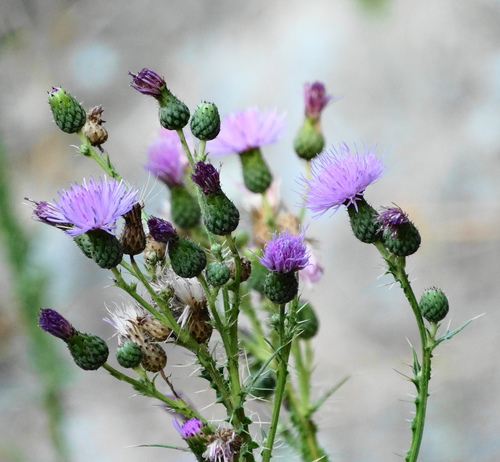
iNaturalist· cc-by-nc-sa
(c) Benjamin J. Dion, some rights reserved (CC BY-NC-SA), uploaded by Benjamin J. Dion
Description
A small shrub. The branches are slender and young parts have a white coating. The leaves are 10 mm long by 7 mm wide. The edges are wavy.
This description is brief — help expand it
Edible Uses
The leaves are used as a tea substitute.
Traditional Uses
The leaves are used as a tea substitute.
This uses section is brief — help expand it
Distribution
It is a Mediterranean plant. It grows in coastal regions on flat land. It can grow in arid places.
Where It Grows
Africa, South Africa, Southern Africa,
Synonyms
Also Known As
Vaaltee
References (7)
- Fox, F. W. & Young, M. E. N., 1982, Food from the Veld. Delta Books. p 123 (As Helichrysum serpyllifolium)
- Hedrick, U.P., 1919, (Ed.), Sturtevant's edible plants of the world. p 340 (As Helichrysum serpyllifolium)
- Royal Botanic Gardens, Kew (1999). Survey of Economic Plants for Arid and Semi-Arid Lands (SEPASAL) database. Published on the Internet; http://www.rbgkew.org.uk/ceb/sepasal/internet [Accessed 11th April 2011] (As Helichrysum serpyllifolium)
- Ruiters-Welcome, A. K., 2019, Food plants of southern Africa. Ph.D. thesis. Univ. of Johannesburg p 36
- van Wyk, Be., & Gericke, N., 2007, People's plants. A Guide to Useful Plants of Southern Africa. Briza. p 108
Show all 7 references Hide references
- Welcome, A. K. & Van Wyk, B.-E., 2019, An inventory and analysis of the food plants of southern Africa. South African Journal of Botany 122 (2019) 136–179 (Also as Helichrysum serpyllifolium)
- World Checklist of Useful Plant Species 2020. Royal Botanic Gardens, Kew