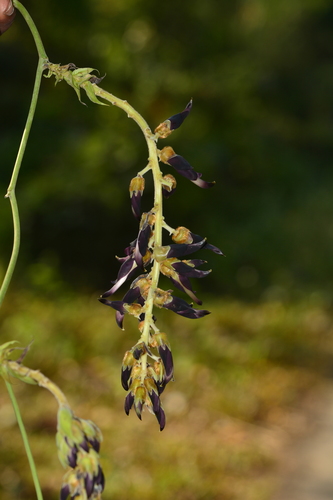
Acacia oerfota
(Forssk.) Schweinf.
wikimedia· cc-by-sa
Wikimedia Commons - Dcarlson
Description
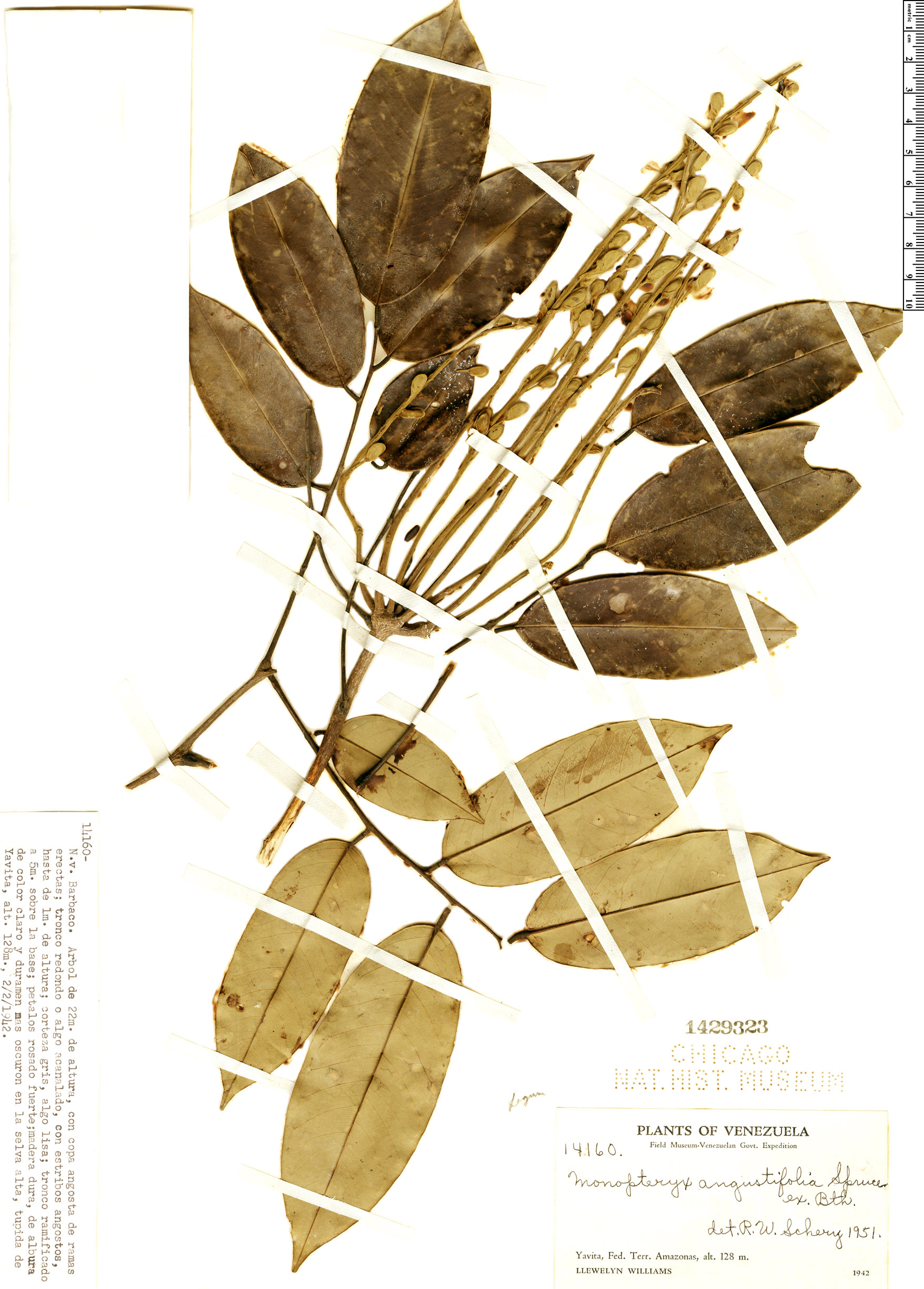
A shrub or small tree. It grows 5 m tall. There are prickles along the stem. The leaves are twice divided and there are 8-18 pairs of pinnae. There are up to 50 pairs of pinnules on each pinnae. The flowers are yellow. They are in large clusters at the ends of branches. The pods are flattened.
Edible Uses
The fruit is eaten, and it is traditionally used to make a drink.
Traditional Uses
It is used for a drink.
This uses section is brief — help expand it
Medicinal Uses
It is an important legume tree commonly browsed by goats and camels in Africa. It is valued as a fodder by pastoralists. The leaves and pods are high in calcium, and the leaves are a good source of phosphorus. The bark extract is said to have medicinal value amongst the Borana of Ethiopia, where it is boiled amongst other things for colds. Amongst the Samburu of Kenya is used for "women's stomach pain, hetpatitis, fever and gonorrhoea". It is used in making beverages. The bark is peeled, soaked in water and drunk as tea.
Distribution
It is a tropical plant.
Where It Grows
Africa, East Africa, Ethiopia, North Africa, Saudi Arabia,
Synonyms
Also Known As
Ajo, Gomerto, Wangayoo
References (3)
- Bahru, T., et al, 2013, Wild Edible Plants: Sustainable Use and Management by Indigenous Communities in and the Buffer Area of Awah National Park, Ethiopia. Ethiop. J. Sci., 36(2): 93-108
- Beche D, Gebeyehu G, Feyisa K., 2016, Indigenous Utilization and Management of Useful Plants in and around Awash National Park, Ethiopia. J Plant Biol Soil Health. 3(1):12.
- Wiersema, J. H. & Leon, B., 2013, World Economic Plants. A Standard Reference CFC Press. 2nd Ed. p 6